Accessibility Tools

Number 2 Medical Dermatology
(Chronic & Inflammatory Skin Diseases)

• Keloids (Overgrown Scar Treatment)

(Impetigo, Folliculitis, Furuncles, Carbuncles & Abscesses)

What Is a Keloid?

A keloid is a type of overgrown scar that extends beyond the edges of the original injury. Unlike a normal scar, a keloid keeps growing even after the skin has healed.

Keloids may develop after:
  • Ear piercing

  • Acne

  • Surgery

  • Cuts or burns

  • Vaccinations

  • Minor skin injuries

Keloids are benign (not cancer), but they can be:

  • Raised and firm

  • Itchy or tender

  • Cosmetically bothersome

  • Difficult to treat without recurrence prevention

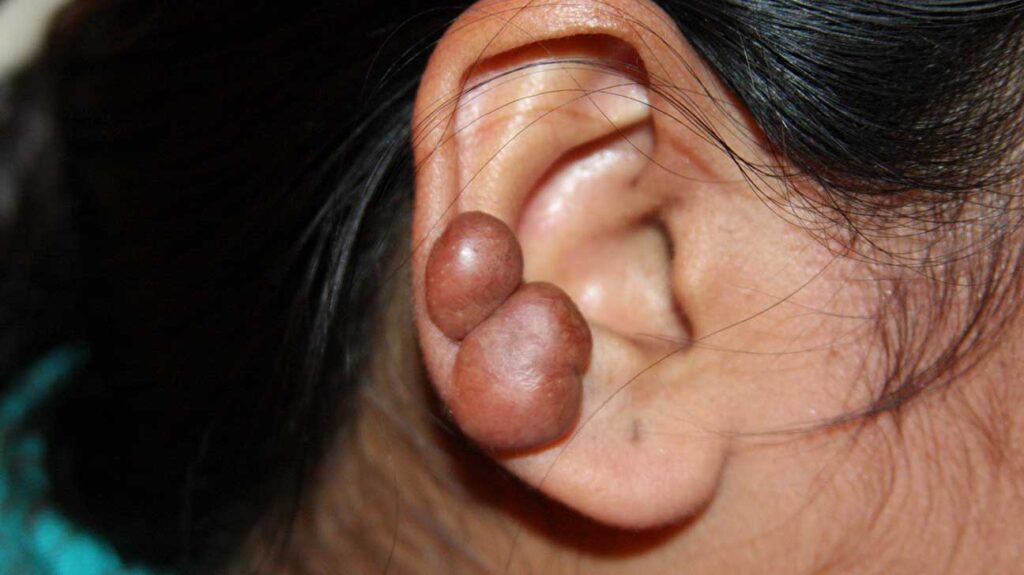
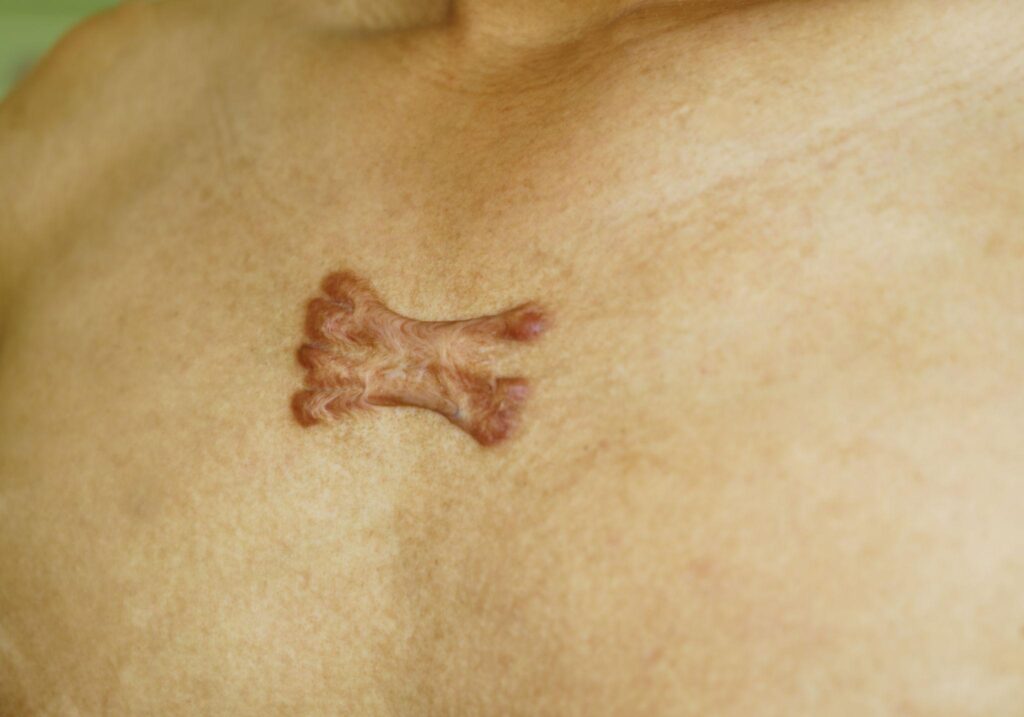
What Do Keloids Look Like?

Keloids often appear as:

  • Thick, raised, shiny scars

  • Pink, red, brown, or skin-colored growths

  • Scars that extend beyond the original wound

  • Smooth or lobulated bumps

Common locations include:

  • Earlobes

  • Chest

  • Shoulders

  • Jawline

  • Upper back

Why Do Keloids Form?

Keloids happen when the skin produces too much scar tissue during healing. Some people are more likely to form keloids because of:

  • Personal or family history of keloids

  • Certain skin types

  • Repeated skin trauma

  • Tension on a healing wound

Not everyone forms keloids, and some areas of the body are more prone than others.


How Are Keloids Treated?

Keloid treatment often works best as a combination approach, because keloids can come back if not managed carefully.

Common Treatment Options
  • Steroid injections to flatten and soften the scar

  • Silicone gel or silicone sheets

  • Cryotherapy (freezing), especially for smaller keloids

  • Laser treatment to reduce redness or thickness

  • Surgical removal in selected cases, usually combined with additional treatment to reduce recurrence

  • Other scar-directed therapies depending on the size, location, and symptoms

Your dermatologist will recommend the safest plan based on:

  • Location

  • Scar thickness

  • Symptoms

  • History of recurrence

What to Expect During Treatment

Steroid Injections

This is one of the most common treatments for keloids.

During treatment:

  1. The scar is examined

  2. Medication is injected directly into the keloid

  3. The scar gradually softens and flattens over time

Most patients need a series of treatments, often spaced several weeks apart.

Surgical Removal

Some keloids may be removed surgically, but surgery alone has a high recurrence risk.
For this reason, surgery is often paired with other treatments such as injections or other scar-prevention strategies.

Can Keloids Come Back?

Yes. Keloids can recur, especially if treated with surgery alone.

That’s why treatment plans often include:

  • Injections

  • Silicone therapy

  • Close follow-up

Managing recurrence risk is an important part of care.

Pre-Op Instructions (Before Keloid Treatment)

Before injections
  • Tell us if you take blood thinners

  • Let us know if you bruise easily

  • Avoid irritating the scar before treatment

Before surgery (if recommended)
  • Tell us if you have a history of:

    • Keloid recurrence

    • Poor wound healing

    • Blood thinner use

  • Follow all procedure-specific instructions carefully

  • Understand that keloid surgery usually requires follow-up treatment to reduce recurrence

Post-Op Instructions (After Keloid Treatment)

After steroid injections
  • Mild soreness or swelling is normal

  • The scar may feel firm for a day or two

  • Avoid rubbing the area aggressively

  • Follow your treatment schedule for best results

After surgery
  • Keep the area clean and dry as instructed

  • Follow wound care directions carefully

  • Attend follow-up appointments for scar prevention treatment

  • Watch for signs of infection:

    • Increasing redness

    • Warmth

    • Drainage

    • Fever

Call the office if
  • Pain worsens significantly

  • The area becomes very swollen or infected

  • The scar begins growing rapidly again

Frequently Asked Questions

Are keloids dangerous?

No. Keloids are benign scars, but they can be uncomfortable and may continue growing.

A simple way to describe a keloid is: an overgrown scar

A regular scar stays within the original wound.
A keloid grows beyond the original injury.

There can be brief discomfort, but treatment is quick. Your provider will discuss ways to improve comfort if needed.

Treatment can significantly improve keloids, but recurrence is possible. Complete permanent removal is not always guaranteed.

Yes, silicone gel or sheets are often used to help soften and flatten scars over time, especially as part of a larger treatment plan.

In many cases, re-piercing is discouraged if you’ve formed a keloid before, especially on the earlobes. Your dermatologist can advise you based on your scar history.

Schedule an evaluation if a scar is:

  • Growing

  • Itchy or painful

  • Thick and raised

  • Extending beyond the original wound