Accessibility Tools

Number 2 Medical Dermatology
(Chronic & Inflammatory Skin Diseases)

• Pruritus (Chronic Itching)

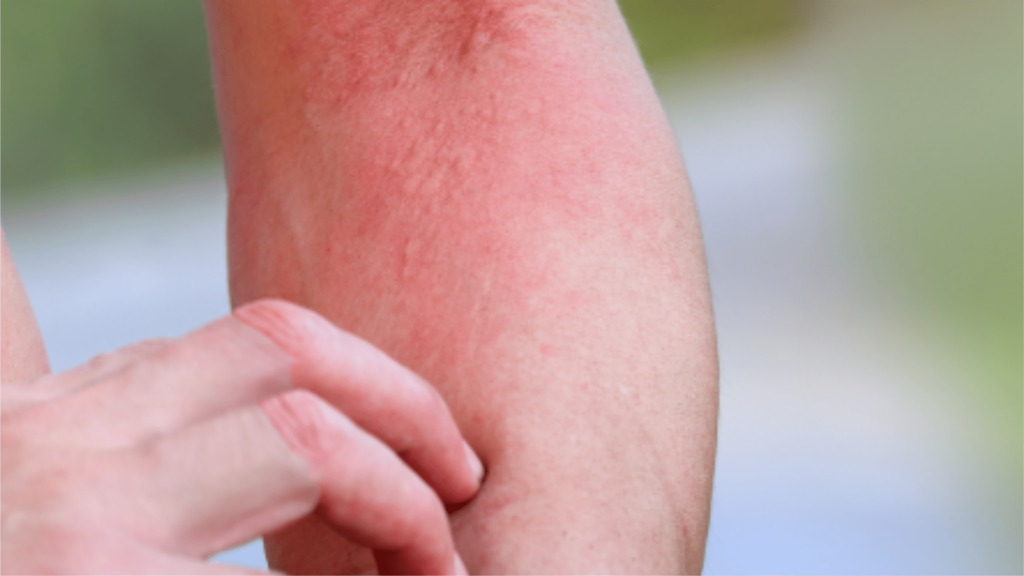
Chronic pruritus is the medical term for persistent itching lasting longer than six weeks. It may occur with or without a visible rash and can significantly affect sleep, daily comfort, and quality of life.

Because itching can be a sign of underlying skin disease or internal medical conditions, proper evaluation by a dermatologist is essential.


Why Chronic Itching Should Be Evaluated

Persistent itching is not just a nuisance. It may indicate:

  • Inflammatory skin disease
  • Allergic reactions
  • Infection
  • Nerve-related conditions
  • Internal (systemic) medical disorders

Early diagnosis allows for targeted treatment and helps prevent skin damage from chronic scratching.

Common Causes of Chronic Pruritus

1) Skin-Related Causes
  • Eczema (atopic dermatitis)

  • Contact dermatitis (allergic or irritant)

  • Psoriasis

  • Chronic dry skin (xerosis)

  • Fungal or bacterial infections

  • Scabies or other infestations

2) Systemic (Internal) Causes
  • Liver disease

  • Kidney disease

  • Thyroid disorders

  • Iron deficiency anemia

  • Diabetes

  • Pregnancy-related conditions

  • Rarely, internal malignancy

3) Neurologic or Medication-Related Causes
  • Nerve-related itch

  • Medication reactions

  • Chemotherapy-associated itch

  • Opioid-related itching

Pruritus With vs. Without a Rash

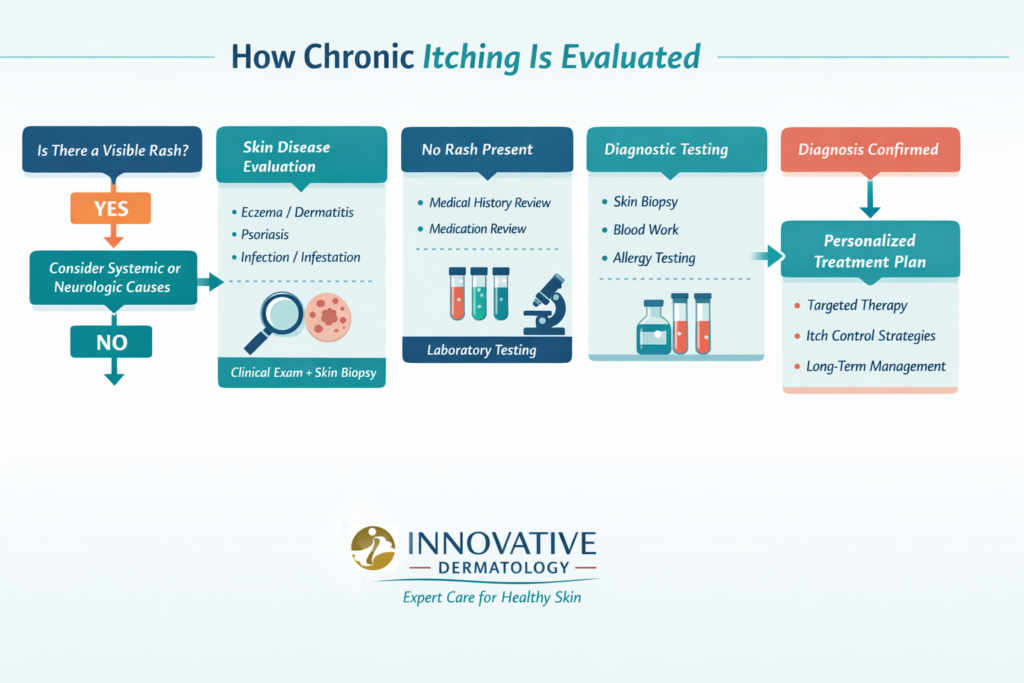
1) Itching With a Rash

Most often linked to:

  • Eczema

  • Psoriasis

  • Allergic reactions

  • Infections

👉 Usually diagnosed by clinical exam, sometimes supported by biopsy.

2) Itching Without a Rash

More likely associated with:

  • Internal medical conditions

  • Neurologic causes

  • Medication reactions

How We Evaluate Chronic Pruritus

Our dermatologists take a structured, medical-first approach:

  • Comprehensive medical history and medication review

  • Full skin examination

  • Laboratory testing when indicated

  • Skin biopsy if diagnosis is unclear

  • Patch testing for allergic causes (when appropriate)

Our goal is to identify the underlying cause, not just suppress symptoms.

Treatment Options

Treatment depends on the cause and may include:

  • Prescription topical therapies
  • Oral medications when indicated
  • Treatment of underlying medical conditions
  • Skin barrier repair and itch-reduction strategies

Personalized maintenance plans for chronic conditions

When to Schedule an Appointment

You should seek evaluation if itching:

  • Persists longer than 6 weeks

  • Disrupts sleep or daily activities

  • Occurs without a visible rash

  • Does not respond to over-the-counter treatments

  • Is associated with other symptoms (fatigue, weight loss, night sweats)

Frequently Asked Questions

What is chronic pruritus?

Chronic pruritus is persistent itching that lasts longer than six weeks. It may occur with visible skin changes or without any rash at all and often requires medical evaluation to determine the underlying cause.

No. While many cases are related to skin conditions like eczema or psoriasis, chronic itching can also be caused by internal medical conditions(liver, kidney, etc…), medications, nerve-related issues, or allergic reactions.

Yes. Chronic itching without a rash can be associated with systemic conditions such as liver or kidney disease, thyroid disorders, iron deficiency, medication reactions, or neurologic causes. This type of itching should always be evaluated by a dermatologist.

You should schedule an appointment if itching:

  • Lasts longer than 6 weeks
  • Disrupts sleep or daily activities
  • Does not improve with over-the-counter treatments
  • Occurs without a visible rash
  • Is associated with other symptoms such as fatigue or unexplained weight loss

Diagnosis begins with a thorough medical history and full skin examination. Depending on findings, your dermatologist may recommend:

  • Blood tests
  • Skin biopsy
  • Allergy (patch) testing
  • Review of medications or systemic health conditions

Not always. A biopsy is only recommended when the cause of itching is unclear or when a skin condition needs confirmation. The procedure is quick and performed with local anesthesia.

Treatment depends on the underlying cause and may include:

  • Prescription topical medications
  • Oral medications
  • Treatment of underlying medical conditions
  • Skin barrier repair strategies
  • Long-term management plans for chronic conditions

Yes. Scratching can damage the skin barrier, leading to inflammation, infection, and a cycle of worsening itch. Early diagnosis and treatment help prevent this cycle.

In many cases, itching is related to manageable skin conditions. However, persistent itching—especially without a rash—can occasionally signal an internal medical issue, which is why evaluation is important.

Some mild cases may improve, but persistent itching usually requires medical treatment to identify and address the cause. Delaying care can prolong symptoms and skin damage.

Before your visit:

    • Note when the itching started and what makes it better or worse
    • Bring a list of medications and supplements
    • Avoid applying topical treatments on the day of your exam unless instructed