Accessibility Tools

Number 2 Medical Dermatology
(Chronic & Inflammatory Skin Diseases)

• Rosacea

1. What Is Rosacea?

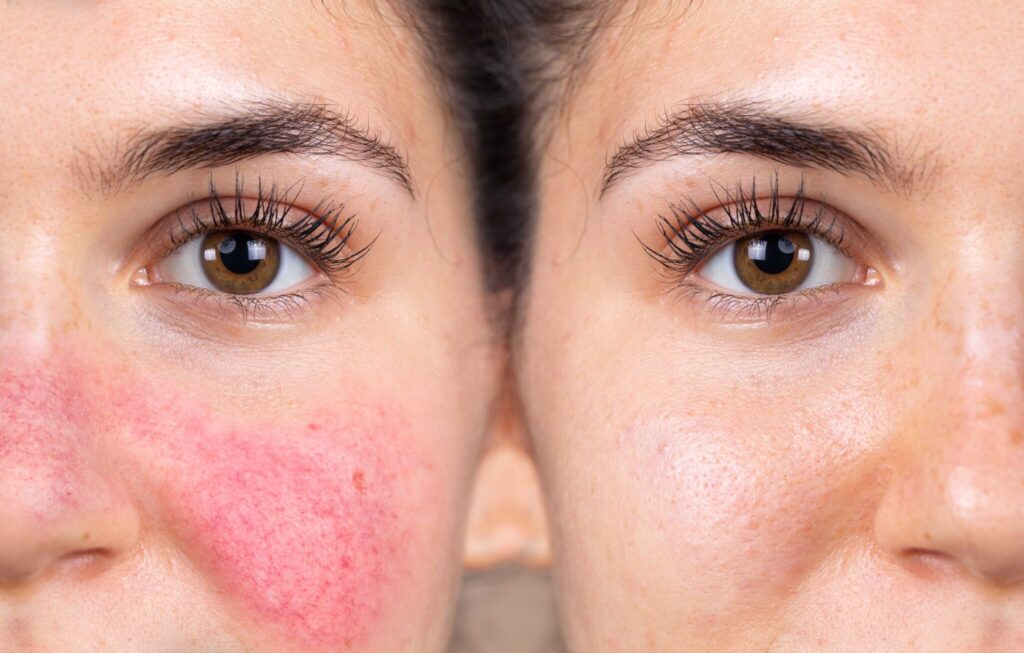
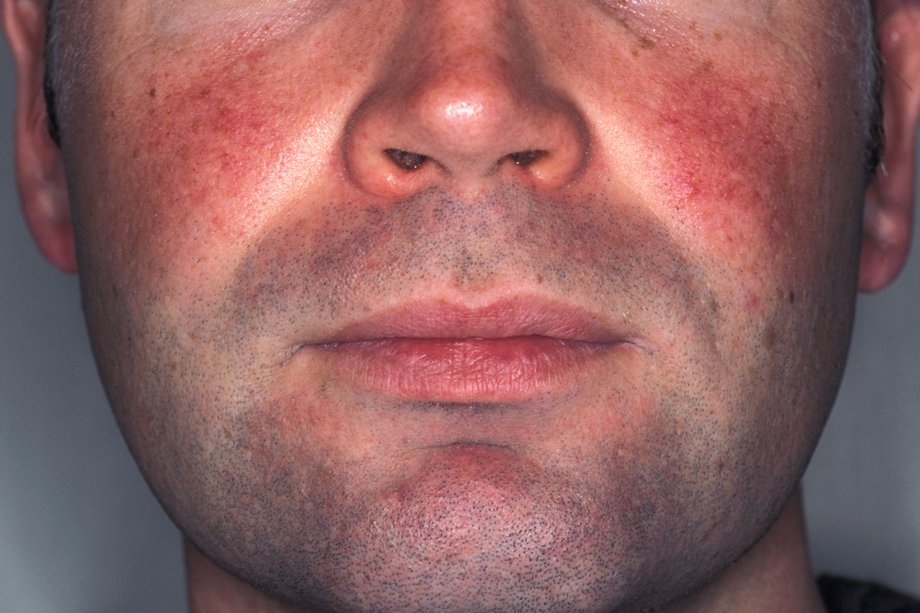
Rosacea is a common, long-term (chronic) inflammatory skin condition that usually affects the cheeks, nose, forehead, and chin. It can cause flushing, persistent redness, visible tiny blood vessels, and acne-like bumps. Some people also develop eye irritation (ocular rosacea).

Rosacea is not contagious, and it’s not caused by poor hygiene. With the right plan, most patients can achieve excellent control.

2. What Does Rosacea Look Like?

Rosacea can appear as:

  • Flushing (face gets red and warm, then fades)

  • Persistent redness in the central face

  • Acne-like bumps (papules/pustules) without blackheads

  • Visible small blood vessels (telangiectasias)

  • Sensitive, stinging, or burning skin

  • Eye symptoms (gritty, dry, irritated eyes)

The redness can be harder to see on deeper skin tones, but symptoms like burning, sensitivity, bumps, and warmth are still important clues.

3. Common Rosacea Triggers

Many people flare with one or more triggers, such as:

  • Sun exposure

  • Heat, hot showers, saunas

  • Spicy foods or hot beverages

  • Alcohol

  • Stress or strong emotions

  • Harsh skincare products or exfoliants

A simple “trigger diary” can help identify patterns.

4. Types of Rosacea

You may have one type or a combination:

  • Redness/flushing type (persistent redness ± visible vessels)

  • Bumps and pimples type (papulopustular rosacea)

  • Thickened skin type (often affects the nose over time)

  • Ocular rosacea (eye irritation/dryness)

5. How We Diagnose Rosacea

Diagnosis is usually based on:

  • A focused history (triggers, skincare, symptoms)

  • A careful skin exam
    Sometimes we rule out conditions that can look similar (like acne, seborrheic dermatitis, or lupus) if needed.

  • 6. Rosacea Treatment Options

    Your plan depends on your rosacea type and symptoms. Treatment may include:

  • Prescription topical medications for redness and inflammation
  • Oral anti-inflammatory medication when bumps are more significant

  • Guidance on gentle skincare and barrier repair

  • Vascular laser or IPL for persistent redness/visible vessels (when appropriate)

Rosacea is often best managed with a maintenance plan to reduce flares over time.

7. Pre-Op Instructions (Before In-Office Rosacea Treatments)

(Only if you are scheduled for laser/IPL or another procedure—regular rosacea visits do not require “pre-op.”)

  • Avoid sunburn/tanning for at least 2 weeks before treatment

  • Avoid irritating skincare (scrubs, strong acids, exfoliants) for several days before, as instructed

  • Have a history of cold sores

Tell us if you:

  • Are pregnant or breastfeeding (treatment choices may change)
  • Are using medications that increase sun sensitivity

Arrive with clean skin (no heavy makeup, sunscreen, or thick moisturizer on the area).

8. Post-Op Instructions (After Laser/IPL for Rosacea Redness)

(Your provider will give exact instructions; this is typical guidance.)

Normal aftercare

  • Mild redness and warmth for 1–3 days

  • Mild swelling (especially around the eyes) can occur

  • Use gentle cleanser and a bland moisturizer

  • Strict sun protection (hat + sunscreen once approved)

Avoid

  • Hot showers/saunas/exercise that overheats you for 24–48 hours

  • Harsh skincare, exfoliants, retinoids until cleared

Call the office if

  • You develop blistering, severe swelling, or worsening pain

  • You have signs of infection (spreading redness, pus, fever)

Frequently Asked Questions

Is rosacea the same as acne?

No. Rosacea can cause acne-like bumps, but it typically does not cause blackheads, and it often includes flushing and sensitivity.

Rosacea is chronic, meaning it can’t always be “cured,” but it can usually be well-controlled with the right treatment and trigger management.

In general: gentle cleanser, fragrance-free moisturizer, and daily broad-spectrum sunscreen. Avoid harsh scrubs, alcohol-based toners, and strong acids unless your dermatologist recommends them.

Rosacea involves increased skin sensitivity and inflammation that can make facial blood vessels react strongly to heat, sun, spicy foods, alcohol, and stress.

Yes. Ocular rosacea can cause dry, irritated, gritty eyes or eyelid inflammation. Let your dermatologist know if you have eye symptoms.

Some sunscreens can sting sensitive skin. Many patients do better with fragrance-free formulas (often mineral-based). Your dermatologist can recommend options based on your skin’s sensitivity.

If you have persistent facial redness, frequent flushing, acne-like bumps that don’t respond to acne products, or eye irritation—an evaluation can help you get the right diagnosis and plan.