Medical Dermatology
(Chronic & Inflammatory Skin Diseases)
Skin Cancer & Pre-Cancer Care
Medical Dermatology
(Chronic & Inflammatory Skin Diseases)
- Acne & Acne Scarring
- Rosacea
- Psoriasis (includes Excimer laser, Narrow band UVB phototherapy)
- Eczema (Atopic Dermatitis)
- Seborrheic Dermatitis
- Contact Dermatitis
Hives (Urticaria)
- Vitiligo (includes Excimer laser, Narrow band UVB phototherapy)
- Hair Loss (Alopecia)
- Pruritus (Chronic Itching)
- Autoimmune Skin Disorders
- Warts, Molluscum, Fungal
- Sarcoidosis (Skin Involvement)
- Hyperhidrosis (Excessive Sweating)
- Lichen planus
- Blistering Skin Disorders
- Bacterial Skin Infections
- Keloids (Overgrown scar)
- Paraneoplastic Dermatoses (a clue to an internal cancer)
- Skin Issues Related to STDs (STIs)
- Scabies
Pigment & Lesion Disorders
Non-Cancer Growth
Surgical Dermatology (Non-Cancer Procedures)
Cosmetic Dermatology
• Hives (Urticaria)
(Raised, itchy welts that come and go)
1. What Are Hives (Urticaria)?
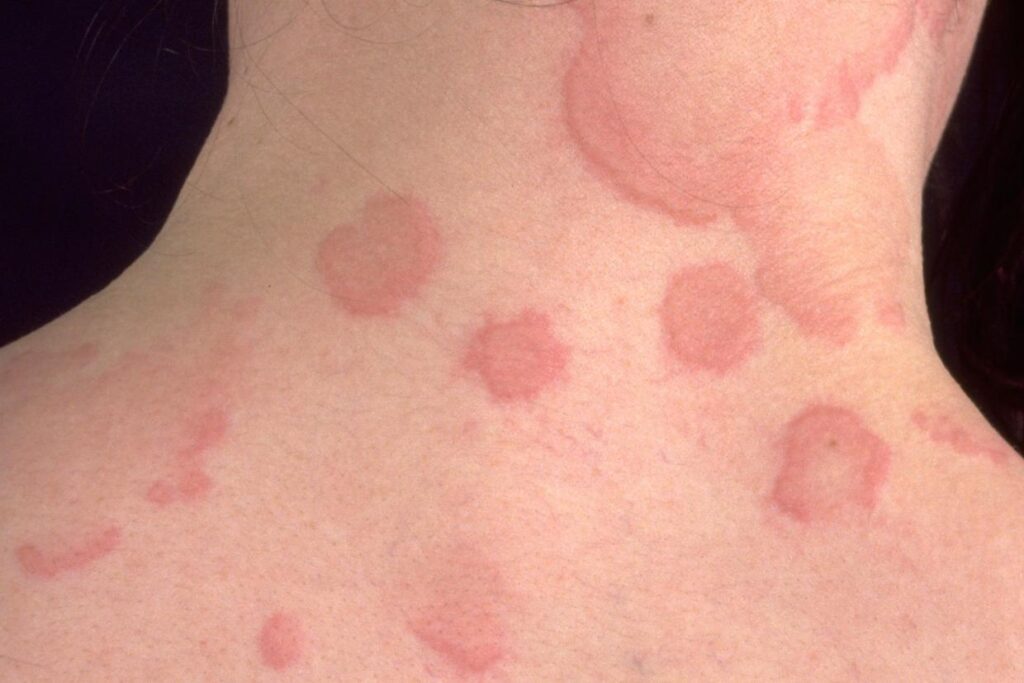
Hives are raised, itchy welts on the skin that can appear suddenly and move around the body. Each spot typically lasts minutes to hours, then fades—often replaced by new spots elsewhere.
Hives happen when the skin releases histamine and other chemicals, causing swelling and itch. They are not contagious.
2. What Do Hives Look and Feel Like?
Hives may be:
Pink, red, or skin-colored raised bumps/patches
Round, oval, or irregular shapes
Very itchy, sometimes burning
“Blanching” (turning lighter when pressed)
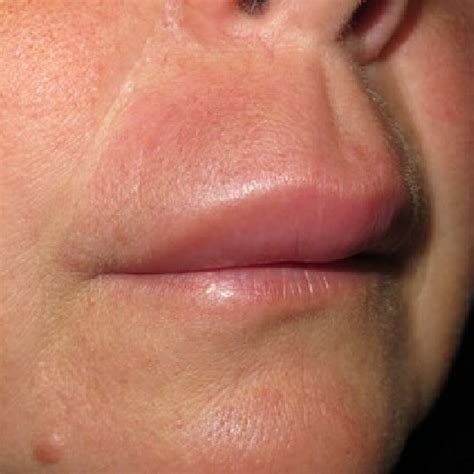
Angioedema (deeper swelling)
Some people also get angioedema, which is deeper swelling—often of the lips, eyelids, face, hands, or genitals. It may feel tight, warm, or painful rather than itchy.
3. Acute vs. Chronic Hives
Acute urticaria: hives that resolve within 6 weeks (often triggered by infection, food, medication, or insect stings)
Chronic urticaria: hives that last more than 6 weeks or keep recurring (often no single trigger is found)
4. Common Triggers
Not everyone has an identifiable trigger, but common ones include:
Viral illnesses (even a simple cold)
New medications (including NSAIDs like ibuprofen in some people)
Foods (more often in acute hives)
Temperature changes (heat/cold), sweating/exercise
Pressure/friction (tight clothing, straps)
Stress
Stings/bites
5. How We Evaluate Hives
We focus on:
Timing (how long each hive lasts)
Frequency (daily vs occasional)
Triggers (foods, meds, heat, pressure)
Any swelling (angioedema)
Red flags (trouble breathing, dizziness, throat tightness)
In chronic hives, your dermatologist may recommend selective testing depending on your history.
6. Pre-Op Instructions (Before Your Visit)
(Not surgery—these are “before your appointment” tips.)
Take photos of the rash (hives often disappear before the visit).
Write down:
When it started and how often it happens
Any recent illness
New foods, supplements, or medications
Whether ibuprofen/aspirin worsens it
Any swelling of lips/eyes or breathing symptoms
Bring a list of all meds/supplements (including OTC and “natural” products).
If safe for you: avoid starting new skincare, supplements, or OTC meds right before your visit (it helps us identify triggers).
7. Post-Op Instructions (After Starting Treatment / Home Care)
a) At-home comfort steps
Cool compresses for itch
Gentle, fragrance-free moisturizer
Lukewarm showers (avoid hot water)
Loose, breathable clothing
b) Trigger reduction
Avoid overheating (hot showers, saunas) during flares
Avoid tight straps/pressure on affected areas if pressure triggers you
- Avoid NSAIDs (like ibuprofen) only if you’ve noticed they worsen hives—talk to your clinician first
c) When to seek urgent care
Call 911 / emergency care if you have:
Trouble breathing, wheezing, or throat tightness
Faintness, dizziness, or confusion
Rapid swelling of tongue, throat, or face
Call our office promptly if:
Angioedema keeps recurring
Hives last >6 weeks
Individual spots last >24 hours in the same place, bruise, or are painful (can suggest a different condition)
Frequently Asked Questions
Are hives an allergy?
Sometimes—especially with acute hives. But many cases (particularly chronic hives) are not due to a classic allergy, and a single trigger may not be found.
How long do hives last?
Each individual hive usually lasts less than 24 hours, often just a few hours. New hives may keep appearing until the flare resolves.
What’s the difference between hives and a rash like eczema?
Hives: raised welts that move around and fade within hours.
Eczema/contact dermatitis: patches that usually stay in the same place for days and are often dry/scaly.
What is angioedema?
Angioedema is deeper swelling (often lips/eyelids/face). It can occur with hives. If swelling affects the tongue or throat or causes breathing issues, it’s an emergency.
Why do my hives get worse with heat or exercise?
Some people have “physical urticaria,” where heat, sweating, pressure, cold, or scratching triggers histamine release in the skin.
Do I need allergy testing?
Not always. Testing is most useful when your history strongly suggests a specific trigger (for example, a consistent food reaction). For chronic hives, broad allergy testing often isn’t helpful unless symptoms clearly point to a cause.
Can hives be caused by stress?
Stress can be a trigger for flares in some people. It may not be the only cause, but it can worsen symptoms.
When should I see a dermatologist?
If hives are frequent, severe, associated with swelling, or last more than 6 weeks, a dermatologist can help identify patterns and build a plan to control symptoms.