Medical Dermatology
(Chronic & Inflammatory Skin Diseases)
Skin Cancer & Pre-Cancer Care
Medical Dermatology
(Chronic & Inflammatory Skin Diseases)
- Acne & Acne Scarring
- Rosacea
- Psoriasis (includes Excimer laser, Narrow band UVB phototherapy)
- Eczema (Atopic Dermatitis)
- Seborrheic Dermatitis
Contact Dermatitis
- Hives (Urticaria)
- Vitiligo (includes Excimer laser, Narrow band UVB phototherapy)
- Hair Loss (Alopecia)
- Pruritus (Chronic Itching)
- Autoimmune Skin Disorders
- Warts, Molluscum, Fungal
- Sarcoidosis (Skin Involvement)
- Hyperhidrosis (Excessive Sweating)
- Lichen planus
- Blistering Skin Disorders
- Bacterial Skin Infections
- Keloids (Overgrown scar)
- Paraneoplastic Dermatoses (a clue to an internal cancer)
- Skin Issues Related to STDs (STIs)
- Scabies
Pigment & Lesion Disorders
Non-Cancer Growth
Surgical Dermatology (Non-Cancer Procedures)
Cosmetic Dermatology
• Contact Dermatitis
(Allergic or Irritant Skin Reactions)
1. What Is Contact Dermatitis?
Contact dermatitis is a skin rash caused by something that touches your skin and triggers irritation or an allergic reaction. It can appear suddenly or develop over time with repeated exposure.
Contact dermatitis is not contagious—you can’t spread it to others.
2. Types of Contact Dermatitis
a) Allergic Contact Dermatitis
This is a true immune (allergic) reaction to a specific ingredient or material—even tiny amounts can trigger a rash.
Common allergens:
Fragrances
Preservatives in skincare/cosmetics
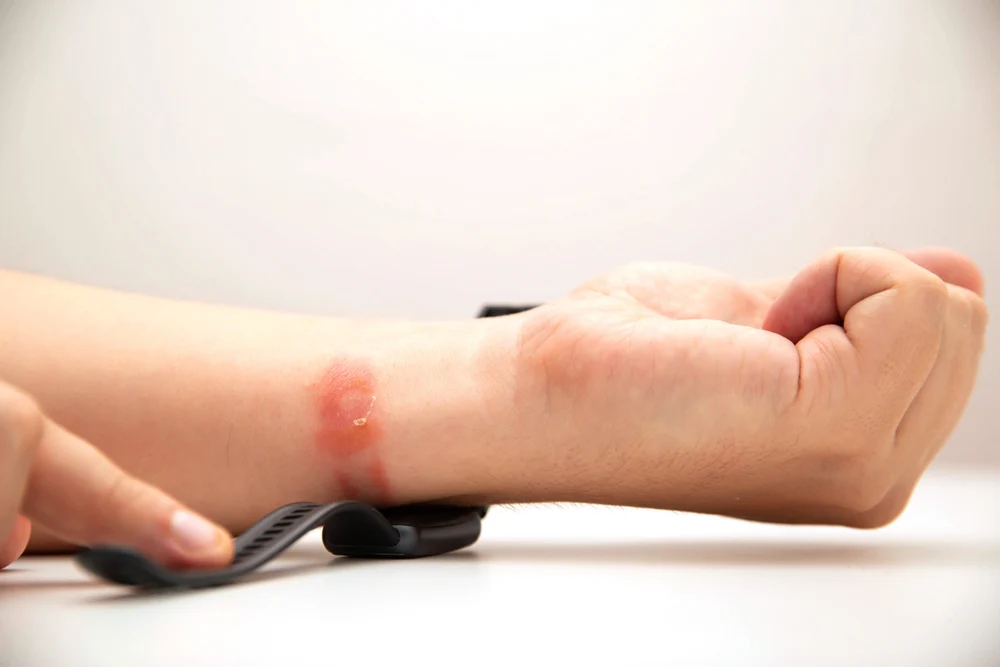
Nickel (jewelry, watches, belt buckles)
Hair dye ingredients
Rubber/latex and certain glove chemicals
Poison ivy/oak (plant resin)
b) Irritant Contact Dermatitis (Most Common)
This happens when a substance damages the skin barrier. It’s not a true allergy.
Common triggers:
Frequent handwashing and sanitizers
Harsh soaps, detergents, cleaning products
Friction, sweat, wet work (hands in water often)
3. What Does Contact Dermatitis Look and Feel Like?
Symptoms can include:
Itching (often intense)
Redness or discoloration (may look different across skin tones)
Dryness, scaling, cracking
Bumps, blisters, or weeping/oozing in acute flares
Burning or stinging (more common with irritant reactions)
Common locations:
Hands and fingers
Eyelids and face (from cosmetics or airborne exposures)
Neck (fragrances, hair products)
Wrists (watchbands), earlobes (earrings), waistline (belt buckles)
4. How We Diagnose Contact Dermatitis
Diagnosis starts with:
A detailed history (products, work exposures, hobbies, new items)
A focused skin exam
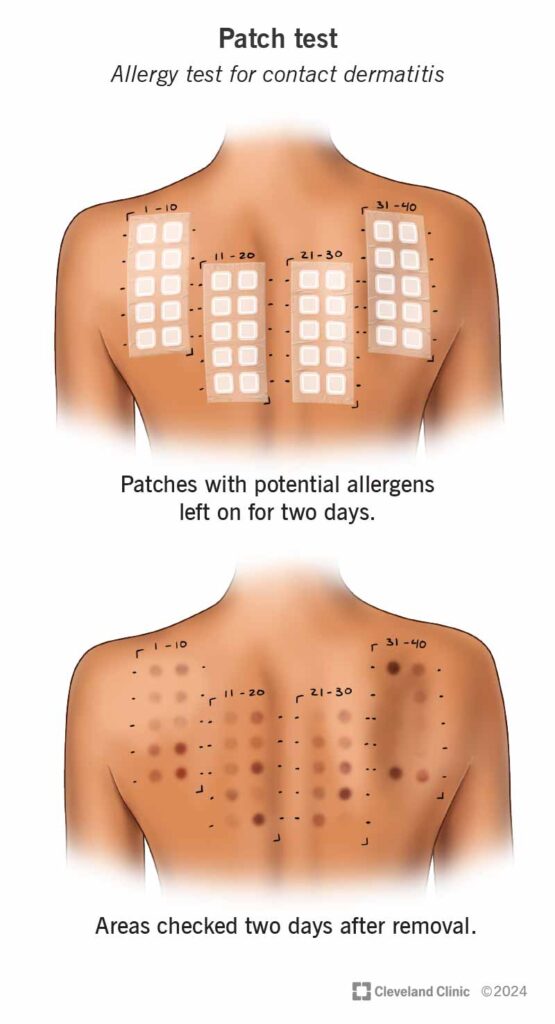
If an allergy is suspected, we may recommend patch testing—a standardized way to identify which ingredient(s) your skin reacts to.
5. Treatment Options
Treatment depends on severity and the cause, but usually includes:
a) Identify and Avoid the Trigger
This is the most important step—especially for allergic contact dermatitis.
b) Calm Inflammation
Prescription anti-inflammatory treatments may be used during flares, especially for:
Hands
Face/eyelids
Widespread rashes
c) Repair the Skin Barrier
Gentle, fragrance-free cleanser
Thick moisturizers/ointments
Protective habits (gloves for wet work, frequent moisturizing)
6. Pre-Op Instructions (Before Your Visit / Patch Testing)
(Not surgery—these are “before your appointment” tips.)
a) Before Your Dermatology Visit
Bring or list everything that touches the area, including:
Soaps, shampoos, conditioners
Moisturizers, makeup, sunscreen
Perfumes/colognes
Laundry detergent/fabric softener
Work products (gloves, chemicals, tools)
New jewelry, watchbands, clothing, topical medications
b) If Patch Testing Is Scheduled
Avoid applying creams/ointments to the test area (usually the back) the day of placement.
Plan to keep patches dry and in place as instructed (no heavy sweating or swimming).
Ask us about medications that may interfere with results (we’ll guide you).
7. Post-Op Instructions (After Starting Treatment / After Patch Testing)
a) After Starting Treatment
Use medications exactly as directed (overuse and underuse can both cause problems).
Moisturize regularly—barrier repair speeds recovery.
Avoid scrubbing, exfoliating, or using fragranced products on the rash.
Use sun protection, especially if the rash is on exposed areas.
b) After Patch Testing
Keep patches dry and intact until removal as instructed.
Avoid sweating/exercise that may loosen patches.
Expect some itchy spots where allergens were placed—this can be normal.
Return for your scheduled readings so results can be interpreted correctly.
c) Call the Office Promptly If You Have
Rapidly spreading redness, severe swelling, blistering, or significant pain
Signs of infection (worsening warmth, pus, fever)
Eyelid swelling affecting vision
Difficulty breathing or facial/lip swelling (seek urgent/emergency care)
d) Prevention Tips
Choose fragrance-free products when possible
Use gentle hand hygiene (lukewarm water + mild cleanser)
Moisturize after every handwash
Wear protective gloves for cleaning/wet work (with cotton liners if needed)
Avoid “natural” or “essential oil” products if you’re sensitive—these can be common triggers
Frequently Asked Questions
Is contact dermatitis the same as eczema?
Contact dermatitis is a type of eczema caused by external exposure (irritant or allergic). Atopic dermatitis (classic eczema) is more related to barrier and immune sensitivity and may occur without a specific external trigger.
How do I know if it’s allergic or irritant contact dermatitis?
It can be hard to tell by appearance alone. Allergic reactions may spread beyond the contact area, while irritant dermatitis often stays where exposure happens (like hands). Patch testing can help confirm allergic triggers.
What is patch testing?
Patch testing is an in-office test where small amounts of common allergens are placed on your back with adhesive patches. We check your skin over several days to identify which substances trigger a reaction.
Can contact dermatitis happen right away?
Yes—but allergic contact dermatitis can also develop after years of exposure. You can become allergic to something you’ve used for a long time.
Why are my eyelids affected?
Eyelid skin is thin and sensitive. Reactions often come from:
Makeup/skincare
Hair products that run onto the face
Nail products transferred by touch
Airborne exposures (sprays, fragrance)
Does contact dermatitis go away permanently?
It can—if the trigger is found and avoided. However, ongoing exposure (even small amounts) can keep the rash coming back.
Do I need to throw away all my products?
Not necessarily. We often start by simplifying your routine and identifying likely triggers. If patch testing is done, we can give you a safe product list based on your results.
When should I see a dermatologist?
Schedule a visit if:
The rash keeps returning
OTC products aren’t helping
It involves the face/eyelids or hands (common and disruptive areas)
You suspect work-related exposure
You may need patch testing