Medical Dermatology
(Chronic & Inflammatory Skin Diseases)
Skin Cancer & Pre-Cancer Care
Medical Dermatology
(Chronic & Inflammatory Skin Diseases)
- Acne & Acne Scarring
- Rosacea
- Psoriasis (includes Excimer laser, Narrow band UVB phototherapy)
- Eczema (Atopic Dermatitis)
- Seborrheic Dermatitis
- Contact Dermatitis
- Hives (Urticaria)
- Vitiligo (includes Excimer laser, Narrow band UVB phototherapy)
- Hair Loss (Alopecia)
- Pruritus (Chronic Itching)
- Autoimmune Skin Disorders
- Warts, Molluscum, Fungal
- Sarcoidosis (Skin Involvement)
Hyperhidrosis (Excessive Sweating)
- Lichen planus
- Blistering Skin Disorders
- Bacterial Skin Infections
- Keloids (Overgrown scar)
- Paraneoplastic Dermatoses (a clue to an internal cancer)
- Skin Issues Related to STDs (STIs)
- Scabies
Pigment & Lesion Disorders
Non-Cancer Growth
Surgical Dermatology (Non-Cancer Procedures)
Cosmetic Dermatology
• Hyperhidrosis (Excessive Sweating)
(Excessive sweating treatment for underarms, hands, feet, and more)
What Is Hyperhidrosis?
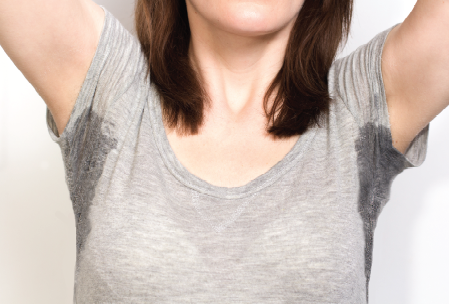
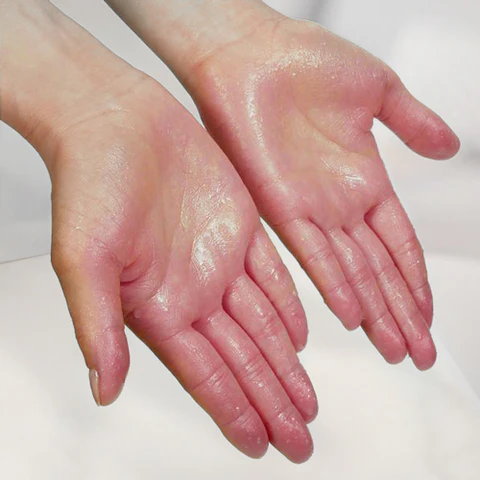
Hyperhidrosis is a medical condition that causes excessive sweating beyond what the body needs to regulate temperature. It can affect:
Underarms (axillary hyperhidrosis)
Hands (palmar hyperhidrosis)
Feet (plantar hyperhidrosis)
Face or scalp
Other localized areas
Hyperhidrosis can interfere with daily activities, work, social situations, and confidence. It is not caused by poor hygiene and is often related to overactive sweat glands.
Types of Hyperhidrosis
Primary (Focal) Hyperhidrosis
Most common type
Often begins in childhood or adolescence
Typically affects specific areas (underarms, hands, feet)
Often runs in families
Secondary Hyperhidrosis
Caused by an underlying medical condition or medication
May affect larger areas of the body
Requires evaluation and possible additional testing
Your dermatologist will determine which type you have and recommend appropriate treatment.
How Is Hyperhidrosis Treated?
Treatment depends on the severity and location.
Common treatment options include:
Prescription-strength topical antiperspirants
Botulinum toxin (Botox® or similar) injections
Oral medications (selected cases)
Device-based treatments (depending on availability)
Lifestyle and trigger management
💉 Botox for Hyperhidrosis
Botox works by temporarily blocking the nerve signals that stimulate sweat glands.
FDA-approved for underarm hyperhidrosis
Results often last 3–6 months or longer
Quick in-office treatment
What to Expect During Botox Treatment
The treatment area is cleansed
A topical numbing agent may be applied
Small injections are placed in a grid pattern
Treatment usually takes 15–30 minutes
Discomfort is typically mild and temporary.
When Will I See Results?
Improvement often begins within 3–7 days
Maximum effect at about 2 weeks
Results typically last several months
Maintenance treatments may be scheduled as needed
Who Is a Good Candidate?
You may be a good candidate if you:
Experience excessive sweating that interferes with daily life
Have tried over-the-counter products without success
Are healthy and able to undergo in-office procedures
Your dermatologist will review your medical history to ensure safe treatment.
Pre-Op Instructions (Before Treatment)
For Botox Treatment:
Avoid shaving underarms 24 hours before treatment
Avoid aspirin or NSAIDs (if medically safe) for several days to reduce bruising
Do not apply deodorant or lotion the day of treatment
Inform us if you:
Are pregnant or breastfeeding
Have neuromuscular disorders
Take blood thinners
Have active skin infection in the area
Post-Op Instructions (After Treatment)
What’s Normal:
Mild redness or swelling at injection sites
Temporary tenderness
Small bruises (occasionally)
Aftercare:
Avoid strenuous exercise for 24 hours
Avoid massaging or rubbing the area
You may resume deodorant use the next day (unless instructed otherwise)
Stay upright for several hours after injection
Call the Office If:
You develop increasing pain, swelling, or signs of infection
You notice unusual muscle weakness (rare)
Symptoms do not improve after 2–3 weeks
Frequently Asked Questions
Is hyperhidrosis (excessive sweating) common?
Yes. It affects millions of people and is more common than many realize.
Is it dangerous?
Hyperhidrosis is not typically dangerous, but it can significantly impact quality of life.
Does Botox stop sweating completely?
Botox significantly reduces sweating in treated areas. Some mild sweating may remain.
How long does treatment last?
Most patients experience relief for 3–6 months or longer, depending on the area.
Is treatment covered by insurance?
Underarm hyperhidrosis treatment may be covered when medically necessary. Coverage varies by plan.
Can hyperhidrosis come back?
Yes. Because treatment is temporary, maintenance sessions are usually needed.
Are there side effects?
Side effects are generally mild and temporary. Serious complications are rare when performed by trained professionals.