Accessibility Tools

Number 2 Medical Dermatology
(Chronic & Inflammatory Skin Diseases)

• Seborrheic Dermatitis

(Dandruff • Flaking Scalp • Redness & Scale on the Face)

1. What Is Seborrheic Dermatitis?

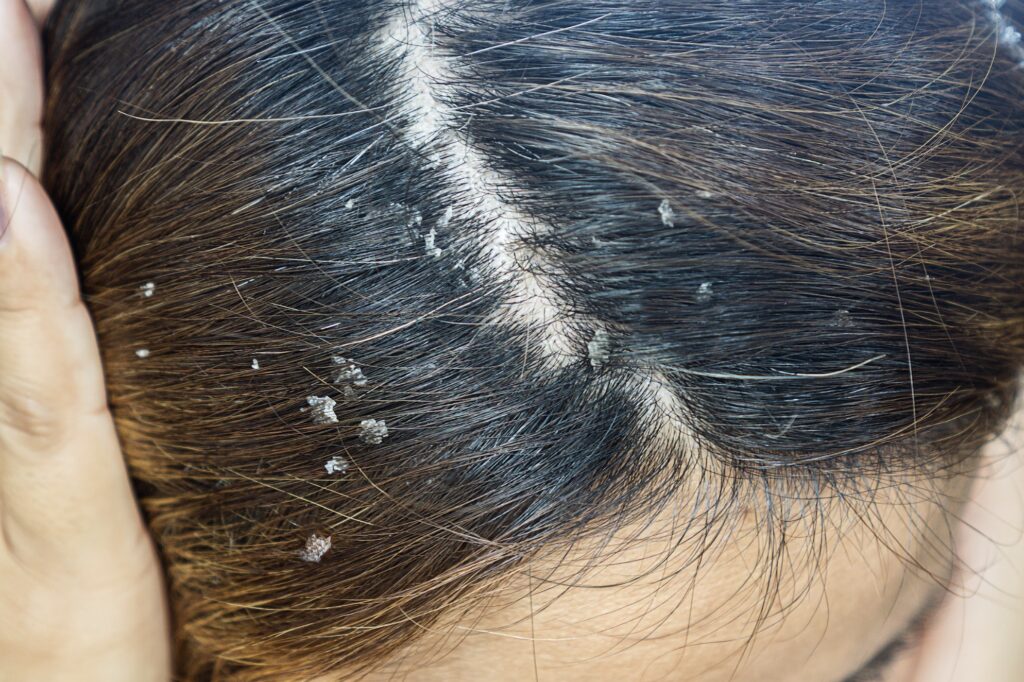
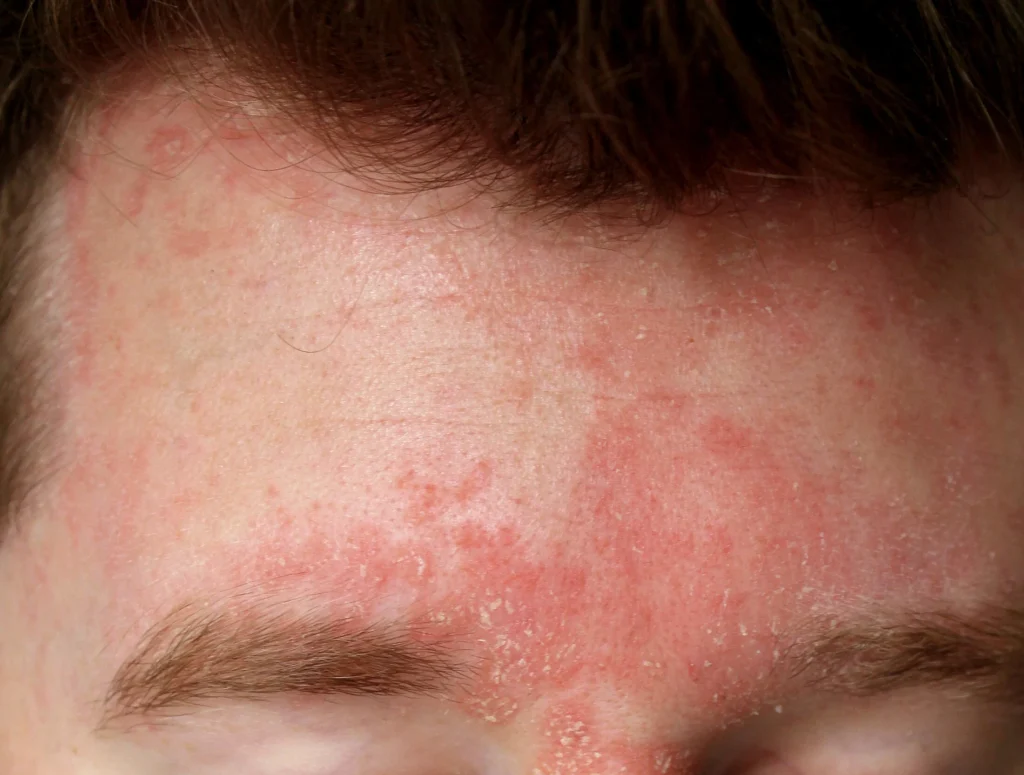
Seborrheic dermatitis is a common skin condition that causes a scaly, flaky rash in oil-prone areas like the scalp and face. It may look like dandruff, redness around the nose, or flaky eyebrows. It is not contagious.

It often flares and improves over time, so many people do best with a simple long-term maintenance routine.

2. What Does Seborrheic Dermatitis Look Like?

Common signs include:

  • Flakes on the scalp (“dandruff”)

  • Greasy or yellowish scale

  • Redness or irritation (may appear different across skin tones)

  • Itching or tightness

  • Involvement of the scalp, eyebrows, sides of the nose, ears/behind ears, beard area, and chest

3. What Causes It?

Seborrheic dermatitis is thought to be related to a combination of:

  • Normal skin oil production

  • Skin inflammation

  • Sensitivity to a normal skin yeast (Malassezia) and immune response factors

Common triggers:

  • Cold/dry weather

  • Stress

  • Illness

  • Harsh or fragranced hair/skin products

4. How It’s Diagnosed

Diagnosis is usually made with a skin/scalp exam and your history. Because it can resemble other rashes (like psoriasis or eczema), seeing a dermatologist helps ensure the right plan.

5. Treatment Options

Treatment depends on where it is (scalp vs face/body) and how severe symptoms are.

a) Scalp (Dandruff / Scalp Scale)
  • Medicated dandruff shampoos are often first-line for mild to moderate scalp disease

  • If needed, prescription scalp treatments may be used briefly to calm inflammation

b) Face / Ears / Chest
  • Topical antifungal treatments are a mainstay for face/body seborrheic dermatitis

  • Short courses of anti-inflammatory treatments may be used during flares (your dermatologist will guide safest options)

Good news: most patients improve significantly with the right routine.


6. Pre-Op Instructions (Before Your Visit / Starting Treatment)

(Not surgery—these are “before you start treatment” tips.)

  • Bring (or take photos of) the products you use: shampoo, conditioner, styling products, face wash, moisturizer, “natural” oils.

  • If possible, avoid heavy scalp oils or thick styling products on the day of your exam (they can hide scale).

  • If you’ve tried OTC dandruff shampoos, note which ingredients and how often you used them.

  • If symptoms affect your face, come with minimal makeup if you can.

7. Post-Op Instructions (After Starting Treatment)

a) Scalp care
  • Use medicated shampoo exactly as directed (frequency matters).

  • Let it sit on the scalp for the recommended contact time before rinsing.

  • Don’t scratch/pick—this can worsen inflammation.

b) Face/body care
  • Use a gentle, fragrance-free cleanser and moisturizer.

  • Avoid harsh scrubs, strong acids, and alcohol-based toners unless your dermatologist approves.

  • Use sunscreen daily (especially if you’re using prescription anti-inflammatory creams).

c) Call the office if
  • Painful cracking, drainage, pus, fever, or rapidly spreading redness

  • Symptoms worsening despite following the plan

  • You suspect an allergic reaction to a product (burning, swelling, or rash beyond typical areas)

Frequently Asked Questions

Is seborrheic dermatitis the same as dandruff?

Dandruff is often considered a milder form limited to the scalp, while seborrheic dermatitis can involve the scalp and areas like the face and chest.

No—seborrheic dermatitis is not contagious.

It tends to be a chronic condition with flares, often triggered by stress, weather, or product irritation—so maintenance treatment is common.

No, but they can look similar. Seborrheic dermatitis often affects oil-prone areas and may have greasy scale, while atopic dermatitis is commonly very itchy and related to skin barrier sensitivity.

Both can cause flaking and redness. Psoriasis often has thicker, drier scale and may extend beyond the hairline. If you’re unsure, a dermatologist can confirm.

Seborrheic dermatitis usually does not cause permanent hair loss, but severe inflammation and scratching can contribute to temporary shedding.

Many people improve within a few weeks, especially with consistent shampoo/skin routines, but maintenance may be needed to prevent flares.

If flaking/itching persists despite Over-The-Counter (OTC) care, spreads to the face, becomes painful, or you’re not sure whether it’s seb derm vs psoriasis vs allergy, it’s worth an evaluation.