2️⃣ Medical Dermatology (Chronic & Inflammatory Skin Diseases)
Skin Cancer & Pre-Cancer Care
Medical Dermatology
(Chronic & Inflammatory Skin Diseases)
- Acne & Acne Scarring
- Rosacea
- Psoriasis (includes Excimer laser, Narrow band UVB phototherapy)
- Eczema (Atopic Dermatitis)
- Seborrheic Dermatitis
- Contact Dermatitis
- Hives (Urticaria)
- Vitiligo (includes Excimer laser, Narrow band UVB phototherapy)
- Hair Loss (Alopecia)
- Pruritus (Chronic Itching)
- Autoimmune Skin Disorders
- Warts, Molluscum, Fungal
- Sarcoidosis (Skin Involvement)
- Hyperhidrosis (Excessive Sweating)
- Lichen planus
- Blistering Skin Disorders
Bacterial Skin Infections
- Keloids (Overgrown scar)
- Paraneoplastic Dermatoses (a clue to an internal cancer)
- Skin Issues Related to STDs (STIs)
- Scabies
Pigment & Lesion Disorders
Non-Cancer Growth
Surgical Dermatology (Non-Cancer Procedures)
Cosmetic Dermatology
• Bacterial Skin Infections
(Impetigo, Folliculitis, Furuncles, Carbuncles & Abscesses)
What Are Bacterial Skin Infections?
Bacterial skin infections occur when bacteria enter through small breaks in the skin. Common bacteria include Staphylococcus (staph) and Streptococcus (strep).
These infections range from mild and superficial to deeper, more painful infections that may require drainage or oral antibiotics.
They are common, treatable, and often resolve quickly with proper care.
Common Types of Bacterial Skin Infections
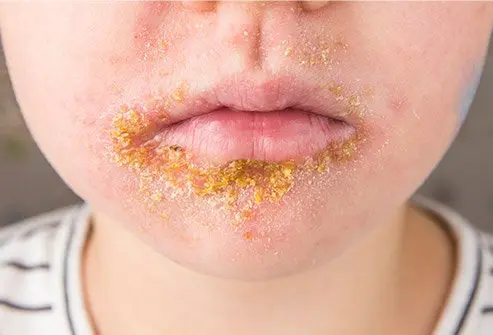
Impetigo
Most common in children
Red sores that form honey-colored crusts
Often around the nose and mouth
Highly contagious but easily treated
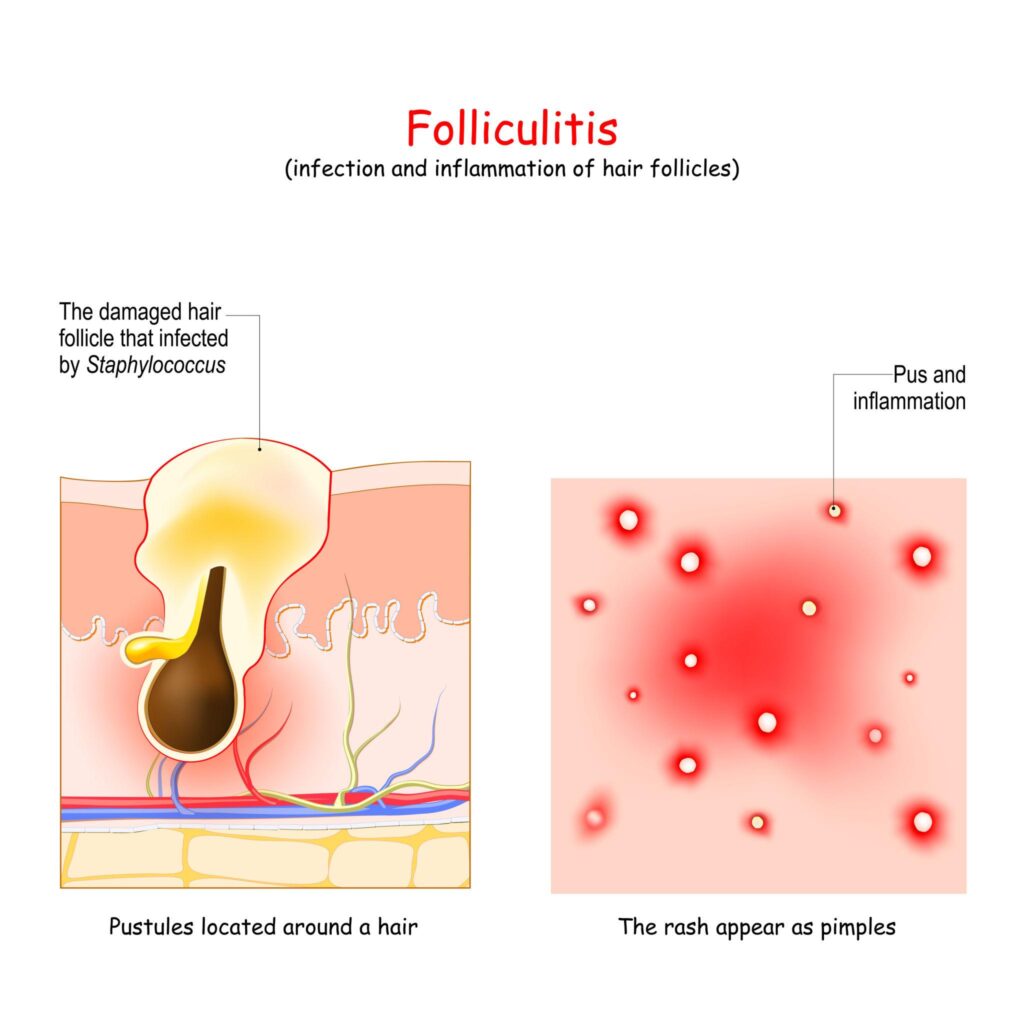
Folliculitis
Infection of hair follicles
Small red bumps or pus-filled pimples
Often itchy or tender
Can occur after shaving, sweating, or friction
Furuncle (Boil)
Deeper infection of a hair follicle
Painful, swollen bump
May drain pus
Carbuncle (Connected Boils)
Cluster of connected boils
Larger, deeper, more painful
May cause fever or fatigue
Abscess
Collection of pus under the skin
Red, swollen, warm, and painful
May require incision and drainage (I&D)
Symptoms to Watch For
Redness and swelling
Pain or tenderness
Warmth to touch
Pus or drainage
Fever (in more serious infections)
If redness spreads rapidly or you develop fever, seek medical attention promptly.
How Are Bacterial Skin Infections Treated?
Treatment depends on severity:
Mild infections:
Topical antibiotics
Warm compresses
Moderate infections:
Oral antibiotics
Close monitoring
Abscess or carbuncle:
Incision and drainage (I&D) procedure
Possible oral antibiotics
Wound care follow-up
Early treatment helps prevent spread and complications.
Pre-Op Instructions (If Incision & Drainage Is Needed)
If a boil, carbuncle, or abscess requires drainage:
Eat normally unless instructed otherwise
Inform us if you take blood thinners
Tell us about medication allergies
Arrive with clean skin (no lotion or ointment applied)
What to Expect During Incision & Drainage
The area is cleaned
Local anesthesia is used
A small incision is made
Pus is drained
The wound may be packed or covered with a dressing
The procedure is quick and usually well tolerated.
Post-Op Instructions (After Drainage or Treatment)
What’s Normal:
Mild soreness
Continued drainage for 1–2 days
Mild swelling or redness
Aftercare:
Keep the area clean and covered
Change dressings as directed
Wash hands before and after wound care
Complete prescribed antibiotics
Avoid squeezing or picking
Call the office if:
Redness spreads
Pain worsens
Fever develops
Drainage becomes excessive
The wound does not improve within several days
Preventing Bacterial Skin Infections
Wash hands regularly
Avoid sharing towels, razors, or clothing
Clean cuts promptly
Keep skin dry after sweating
Avoid shaving over irritated skin
For recurrent infections, further evaluation may be recommended.
Frequently Asked Questions
Are these infections contagious?
Impetigo and some staph infections can spread through contact. Proper hygiene reduces risk.
What causes boils and abscesses?
Usually bacteria enter through a small break in the skin or hair follicle.
Do all abscesses need to be drained?
Many larger abscesses require drainage to heal properly.
Can I pop a boil at home?
No. Squeezing can push infection deeper and worsen the condition.
How long does healing take?
Mild infections may improve in a few days. Drained abscesses may take 1–2 weeks to heal.
When should I go to the ER?
Seek urgent care if you have:
Rapidly spreading redness
High fever
Severe pain
Infection near the eye
Underlying conditions like diabetes with worsening infection
Is MRSA the same as a regular infection?
MRSA (Methicillin-Resistant Staphylococcus aureus) is a type of staph bacteria resistant to certain antibiotics. It is treated differently but can often be managed successfully.