Accessibility Tools

Number 2 Medical Dermatology
(Chronic & Inflammatory Skin Diseases)

• Lichen planus

A chronic inflammatory skin condition affecting skin, mouth, scalp, or nails

What Is Lichen Planus?

Lichen planus is an inflammatory condition that can affect the skin, mouth (oral mucosa), scalp, nails, or genital area. It is believed to be immune-mediated, meaning the immune system triggers inflammation in the skin or mucous membranes.

It is not contagious and is not caused by poor hygiene.


What Does Lichen Planus Look Like?

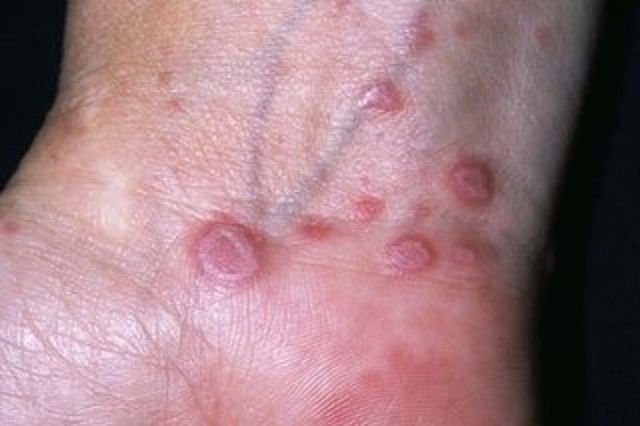
On the Skin
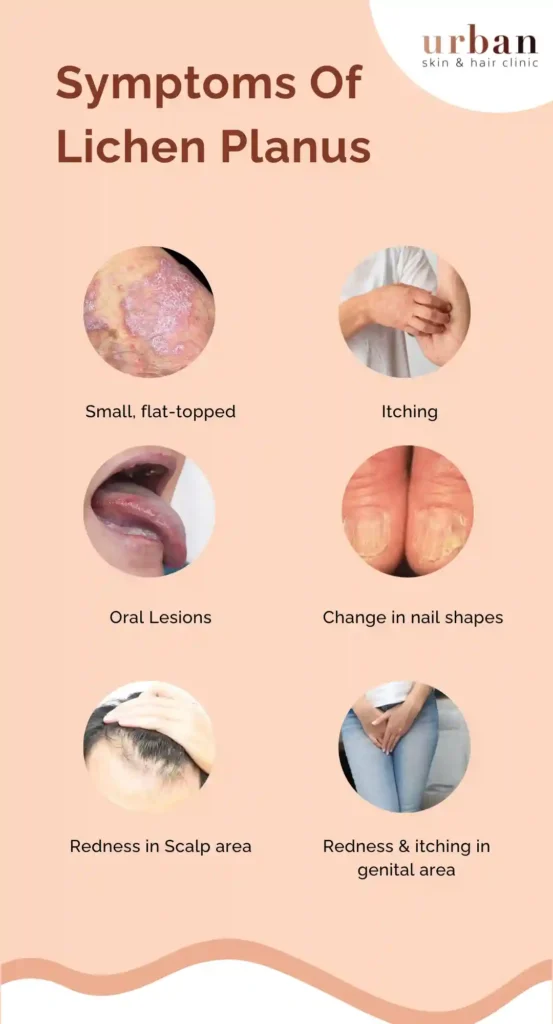
  • Small, flat-topped purple or reddish bumps

  • Often itchy

  • Common on wrists, ankles, lower legs, or lower back

  • May leave dark marks (post-inflammatory hyperpigmentation) after healing

In the Mouth (Oral Lichen Planus)
  • White, lace-like patches inside cheeks

  • Red or irritated areas

  • Possible sensitivity to spicy or acidic foods

On the Scalp (Lichen Planopilaris)
  • Redness or scaling

  • Hair thinning or permanent hair loss if untreated

On Nails
  • Ridging or thinning

  • Nail splitting

  • Rarely, nail loss

On Genital Area
  • Redness and itching

What Causes Lichen Planus?

The exact cause is unknown. Possible triggers include:

  • Immune system overactivity

  • Certain medications

  • Viral infections (in some cases)

  • Stress (may worsen symptoms)

Your dermatologist may recommend evaluation or testing depending on the presentation.


How Is Lichen Planus Treated?

Treatment depends on the severity and location.

Common treatment options include:
  • Topical corticosteroids (first-line for many patients)

  • Topical calcineurin inhibitors

  • Oral medications (for widespread or severe cases)

  • Steroid injections (for localized lesions)

  • Phototherapy (in selected patients)

For oral or scalp involvement, treatment is tailored carefully to prevent complications.


Is Lichen Planus Permanent?

  • Skin lichen planus may resolve within months to a few years

  • Oral lichen planus can be chronic

  • Scalp involvement requires early treatment to prevent permanent hair loss

Ongoing monitoring may be recommended.

Pre-Op Instructions (If Biopsy or Procedure Is Needed)

Most lichen planus is diagnosed clinically, but a skin biopsy may sometimes be needed.

If biopsy is planned:

  • Continue regular medications unless instructed otherwise

  • Inform us if you take blood thinners

  • Arrive with clean skin

  • Follow standard minor procedure instructions

Post-Op Instructions (After Biopsy or Injections)

What’s Normal:
  • Mild soreness or redness

  • Small scab at biopsy site

  • Temporary bruising (after injections)

Aftercare:
  • Keep the area clean and dry

  • Apply ointment as directed

  • Avoid picking or scratching

  • Follow wound care instructions carefully

Call the office if:

  • You develop increasing pain, swelling, or drainage

  • The area does not heal as expected

Frequently Asked Questions

Is lichen planus contagious?

No. It cannot be spread to others.

It is considered immune-mediated, meaning the immune system plays a role in triggering inflammation.

  • Skin lesions often resolve but may leave temporary dark marks.
  • Scalp involvement (lichen planopilaris) can cause permanent hair loss if not treated early.

Oral lichen planus is usually manageable but should be monitored. In rare cases, long-term changes may require closer follow-up.

Stress may worsen inflammation in some patients.

Yes. It may flare or improve over time.

  • Skin lichen planus is not cancer.
  • Oral lichen planus requires periodic monitoring because chronic irritation can rarely lead to changes over many years.