Skin Cancer & Pre-Cancer Care
B. Skin Cancer Types
Skin Cancer & Pre-Cancer Care
A. Skin Cancer Diagnosis
B. Skin Cancer Types
- Basal Cell Carcinoma (BCC)
- Squamous Cell Carcinoma (SCC)
- Melanoma
- Merkel Cell Carcinoma
- Cutaneous T-Cell Lymphoma (CTCL)
- Primary Cutaneous B-Cell Lymphoma (PCBCL)
- Metastatic Cancers
Sarcoma
C. Skin Cancer Treatment
- Mohs Micrographic Surgery
- Surgical Excision
- Electrodessication & Curettage(ED&C)
- Radiation Referral Coordination
D. Pre-Cancerous Lesions
- Actinic Keratosis (AK)
- Atypical(Dysplastic) Nevi
- Field Cancerization Treatment
- Photodynamic Therapy (PDT)
Medical Dermatology
(Chronic & Inflammatory Skin Diseases)
Pigment & Lesion Disorders
Non-Cancer Growth
Surgical Dermatology (Non-Cancer Procedures)
Cosmetic Dermatology
• Sarcoma (Skin & Soft Tissue Sarcomas)
(Rare cancers of connective tissue involving the skin or tissue beneath the skin)
1. What Is a Sarcoma?
A sarcoma is a rare type of cancer that arises from the body’s connective (supporting) tissues, such as:
Fibrous tissue
Fat
Muscle
Blood vessels
Nerves
When sarcomas involve the skin or the tissue just beneath it, dermatologists are often the first specialists to evaluate and diagnose them.
Sarcomas are not common, but early recognition is important because treatment often requires specialized surgery and coordinated care.
2. Types of Sarcoma Seen in Dermatology
Some sarcomas that may involve the skin include:
Dermatofibrosarcoma Protuberans (DFSP)
Slow-growing but locally aggressive tumor of the skin.Angiosarcoma
Cancer of blood vessels, often appearing as bruise-like or purple patches, commonly on the scalp or face.Leiomyosarcoma
Cancer arising from smooth muscle, presenting as firm skin or subcutaneous nodules.Kaposi Sarcoma
A vascular sarcoma associated with immune suppression, causing red or purple patches or nodules.
Each type behaves differently, which is why accurate diagnosis is essential.
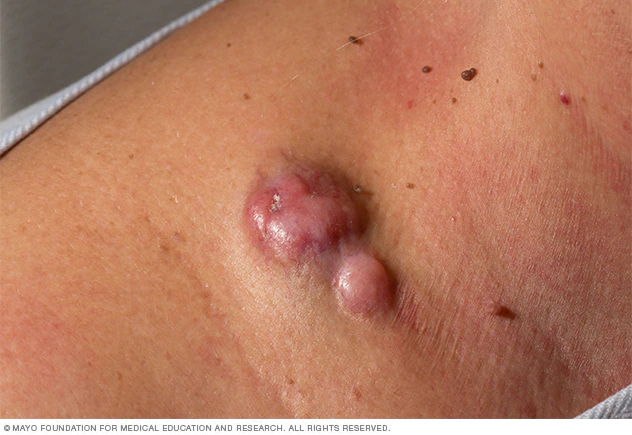
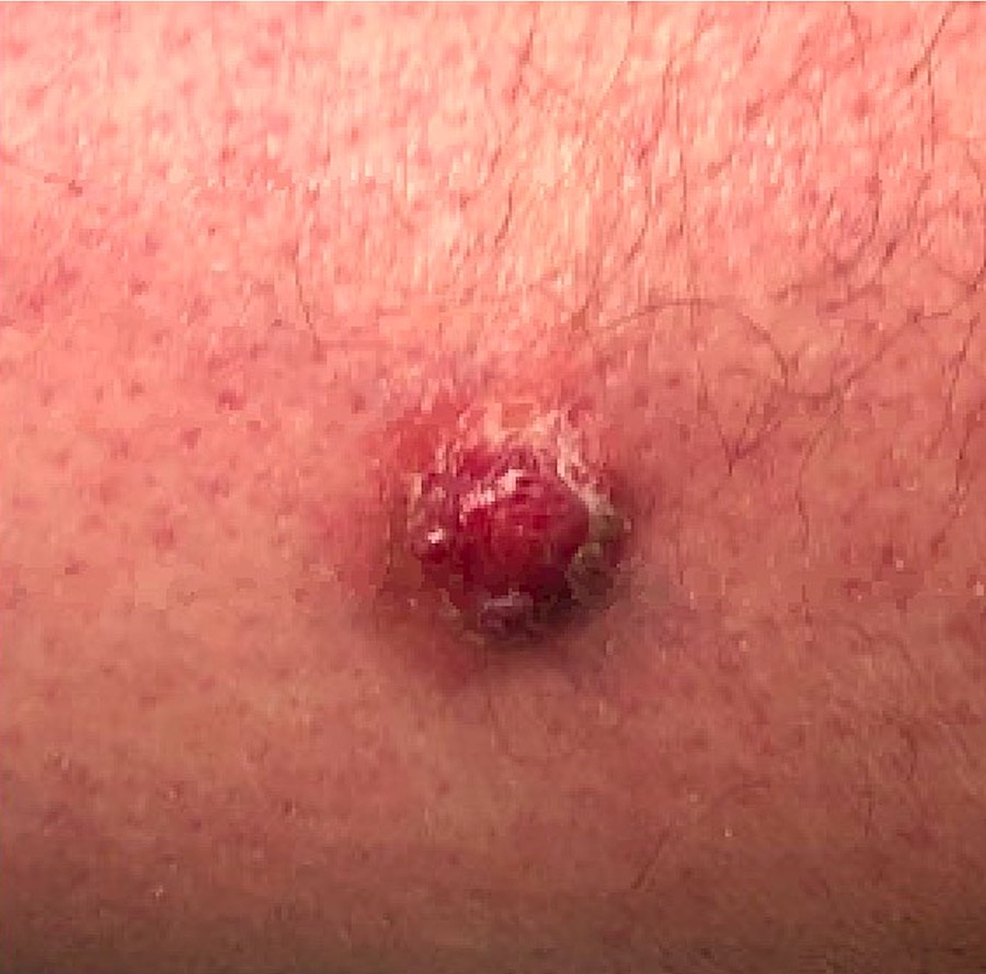
3. What Do Cutaneous Sarcomas Look Like?
Sarcomas of the skin may appear as:
Firm or hard lumps under the skin
Slowly enlarging plaques or nodules
Red, purple, brown, or skin-colored lesions
Bruise-like areas that do not resolve
Usually not scaly and often not itchy
May or may not be painful
Any new, enlarging, or persistent firm growth should be evaluated.
4. How Sarcomas Are Diagnosed
Diagnosis usually involves several steps:
a) Skin Examination
Your dermatologist evaluates size, depth, firmness, and growth pattern.
b) Skin or Deep Tissue Biopsy
A biopsy is essential to:
Confirm the diagnosis
Identify the sarcoma subtype
Guide treatment planning
c) Additional Testing (When Needed)
Depending on biopsy results, this may include:
Imaging (MRI, CT)
Blood tests
Referral to surgical or medical oncology
5. How Sarcomas Are Treated
Treatment depends on the type, size, depth, and location of the sarcoma.
Surgical Treatment
Complete surgical removal is the main treatment
Specialized techniques (such as wide excision or Mohs-type surgery) may be used for certain sarcomas
Clear margins are critical to reduce recurrence risk
Additional Therapies
Some patients may also need:
Radiation therapy
Systemic therapy (chemotherapy or targeted therapy)
Care coordinated with oncology specialists
6. Pre-Op Instructions
(Before biopsy or surgical referral)
Before Your Appointment
Take photos of the lesion if it has been changing
Bring a list of:
Current medications and supplements
Prior biopsies or imaging, if any
Tell us if you:
Take blood thinners
Have bleeding disorders
Have allergies to numbing medications or adhesives
⚠️ Do not stop prescribed medications unless directed by your prescribing clinician.
7. Post-Op Instructions
7. a) After a Biopsy
Keep the bandage on and dry for 24 hours
After 24 hours:
Gently clean with soap and water
Pat dry
Apply ointment if instructed
Cover with a clean bandage
Avoid soaking (baths, pools, hot tubs) until healed
Call the office if you notice increasing redness, swelling, warmth, pus, fever, or bleeding that won’t stop with pressure
7. b) After Surgical Treatment
Follow surgeon-specific instructions carefully
Expect some soreness, swelling, or bruising
Activity restrictions depend on surgical site and extent
Attend all follow-up visits for wound checks and surveillance
8. When to Seek Prompt Medical Care
Contact us urgently if you experience:
Rapid enlargement of a lesion
Increasing pain, bleeding, or ulceration
Signs of infection
New unexplained lumps elsewhere on the body
Frequently Asked Questions
Is a sarcoma the same as typical skin cancer?
No. Sarcomas are different from common skin cancers like basal cell carcinoma, squamous cell carcinoma, or melanoma. They arise from connective tissue, not skin cells.
Are sarcomas aggressive?
Some are slow-growing, while others are more aggressive. Behavior depends on the specific type and depth of the tumor.
Can sarcomas spread?
Yes. Some sarcomas can spread to other parts of the body, which is why early diagnosis and proper treatment are important.
Will I need an oncologist?
Often, yes. Sarcoma care frequently involves a multidisciplinary team, including dermatology, surgical oncology, and medical oncology.
Will surgery leave a scar?
Yes. Because complete removal is essential, scars are expected. Surgeons aim to balance cure with the best possible functional and cosmetic outcome.
How often will I need follow-up?
Regular follow-up is important to monitor for recurrence. The schedule depends on the sarcoma type and treatment received.