
 Skin Cancer & Pre-Cancer Care
D. Pre-Cancerous Lesions
Skin Cancer & Pre-Cancer Care
A. Skin Cancer Diagnosis
B. Skin Cancer Types
- Basal Cell Carcinoma (BCC)
- Squamous Cell Carcinoma (SCC)
- Melanoma
- Merkel Cell Carcinoma
- Cutaneous T-Cell Lymphoma (CTCL)
- Primary Cutaneous B-Cell Lymphoma (PCBCL)
- Metastatic Cancers
- Sarcoma
C. Skin Cancer Treatment
- Mohs Micrographic Surgery
- Surgical Excision
- Electrodessication & Curettage(ED&C)
- Radiation Referral Coordination
D. Pre-Cancerous Lesions
- Actinic Keratosis (AK)
- Atypical(Dysplastic) Nevi
- Field Cancerization Treatment
Photodynamic Therapy (PDT)
 Medical Dermatology
(Chronic & Inflammatory Skin Diseases)
 Pigment & Lesion Disorders
 Non-Cancer Growth
 Surgical Dermatology (Non-Cancer Procedures)
 Cosmetic Dermatology
• Photodynamic Therapy (PDT)
Photodynamic Therapy (PDT) for Precancerous Sun Damage & Acne
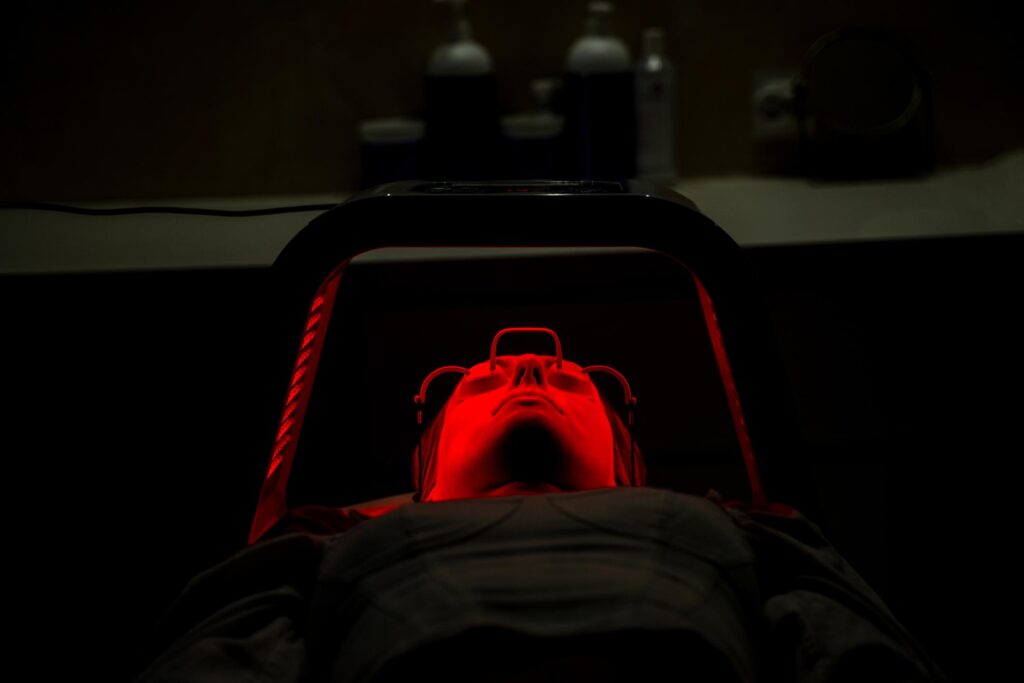
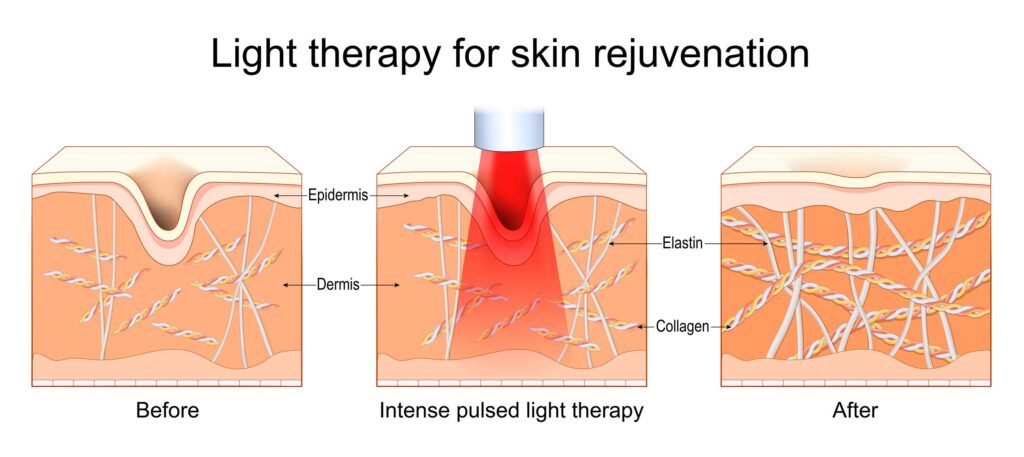
Photodynamic Therapy (PDT) is an in-office treatment that uses a prescription light-sensitizing medication (Our office uses Ameluz®) and a special light source (red light) to target actinic keratoses (AKs) and diffuse sun damage. It can also improve acne and overall skin texture for the right candidates.
What is Photodynamic Therapy (PDT)?
PDT combines:
- A topical medication (photosensitizer) applied to the skin
- A “incubation” time while it absorbs
- A medical light that activates the medication
Once activated, PDT selectively damages abnormal or overactive cells while sparing more normal surrounding tissue.
What PDT treats
- Actinic Keratoses (AKs) (precancerous spots)
- Field treatment for widespread sun damage (face/scalp/chest)
- Some acne cases (especially inflammatory acne)
- Redness and rough texture associated with chronic sun exposure (varies by patient)
Common treatment areas
- Face (forehead, cheeks, nose)
- Scalp (especially in men with thinning hair)
- Ears
- Chest (“V-neck” area)
- Hands/forearms (in select cases)
What to expect
- Visit length often 1.5–3 hours (varies by area and incubation time)
- You may feel warmth, stinging, tingling, or burning during light exposure
- After treatment, the skin typically becomes red and sensitive to light, then may peel or crust over several days
Who is a good candidate?
You may be a good candidate if you:
- Have multiple Actinic Keratoses (AKs) or widespread sun damage
- Want a “field” treatment instead of freezing many spots one-by-one
- Have recurrent AKs or high sun exposure history
PDT may be postponed or modified if you:
- Cannot avoid sunlight/bright indoor lighting for the required time after treatment
Have certain photosensitivity conditions or are on photosensitizing medications (we’ll review this)
Are pregnant/breastfeeding (depends—discuss with your clinician)
Pre-Treatment Instructions (Pre-Op)
a) Two weeks before (or as directed)
Avoid tanning (sun/tanning beds) and self-tanner on the area.
Tell us if you have a history of cold sores; you may need preventive medication.
Review your medications with us—some can increase light sensitivity.
b) 3–5 days before
Avoid irritating products on the treatment area:
– Retinoids (tretinoin/retinol)
– Exfoliating acids (glycolic, salicylic, lactic)
– Scrubs, peels, at-home devices
- Avoid waxing, depilatories, or harsh hair removal in the area.
c) Day of treatment
- Arrive with clean skin (no makeup, sunscreen, moisturizers, aftershave, or cologne on the area).
- Wear loose, comfortable clothing that won’t rub the treated skin.
- Bring a wide-brim hat, sunglasses, and/or a mask/covering for the treated area for the ride home.
- Plan to avoid bright light after treatment (see Post-Op).
- If we are treating the face, consider arranging a ride home—some patients feel more comfortable not driving.
Post-Treatment Instructions (Post-Op)
a) The most important rule: avoid light exposure
For the first 24–48 hours (or exactly as your clinic instructs):
- Avoid direct sunlight
- Avoid very bright indoor lights (e.g., intense LEDs, halogen work lights, exam lights)
- Stay indoors as much as possible
If you must go outside:
Cover up completely (hat, sunglasses, clothing, mask/face covering) and keep exposure brief.
b) Normal reactions after PDT
You may experience:
- Redness and warmth (like a sunburn)
- Stinging/burning and skin tightness
- Swelling (especially around the eyes)
- Peeling, flaking, crusting
- Temporary darkening of spots before they peel off
c) Skin care (first 3–7 days)
- Cleanse gently with a mild cleanser and lukewarm water; pat dry.
- Apply plain petroleum jelly or a bland moisturizer (as directed) to keep skin comfortable.
Use cool compresses (10 minutes at a time) for burning or swelling.
- Avoid picking, scrubbing, or exfoliating.
- Avoid hot showers, saunas, steam rooms, heavy sweating workouts for 48 hours (or until comfortable).
d) Pain/comfort
- Use acetaminophen as directed if needed (unless your doctor says otherwise).
- Avoid ibuprofen/NSAIDs only if your clinician specifically instructs (otherwise follow your usual medical guidance).
- Sleeping with your head elevated can reduce swelling.
e) Makeup and shaving
- Avoid makeup for 24–48 hours (or until skin is no longer very irritated).
- Avoid shaving over treated areas until tenderness improves.
f) Sun protection after the first 48 hours
- Once your clinician says it’s safe, use broad-spectrum sunscreen SPF 30+ daily.
- Wear protective clothing and seek shade—this helps results and reduces recurrence of AKs.
g) When to call the office urgently
Call us if you have:
- Severe pain not controlled with recommended measures
- Rapidly worsening swelling (especially eyes/lips), pus, or spreading redness
- Fever/chills
- Blistering that is extensive or concerning
- Any reaction that worries you
9. Results & Follow-Up
a. When will I see improvement?
- Redness peaks in the first few days.
- Peeling/crusting often occurs over 3–10 days.
- Smoother texture and clearer skin typically show over 2–6 weeks.
b) How many treatments do I need?
- Many patients benefit from 1–2 sessions, sometimes more for severe sun damage or scalp AKs.
- Your provider will recommend a plan based on your skin, history, and response.
Frequently Asked Questions
Is PDT the same as “blue light” or “red light” therapy?
PDT uses a prescription medication (Ameluz®) plus a specific medical light (red light) to activate it. Our office only uses “red light” which penetrates deeper into skin layers than “blue light”.
What does PDT feel like?
During light exposure, many patients feel stinging, heat, tingling, or burning. We use comfort measures (fans, cooling breaks) as needed.
How long will I look red or peeled?
Most patients have visible redness and irritation for 2–7 days, with peeling that can last up to 10 days, depending on the area and intensity.
Can I go to work the next day?
Some people can, but many prefer downtime because of redness/peeling. Plan for social downtime of a few days, especially for facial treatments.
Will PDT remove all sun damage permanently?
PDT can significantly reduce AKs and treat “field” sun damage, but it doesn’t stop future sun damage. Ongoing sun protection and skin checks are key.
Is PDT safe?
PDT is widely used in dermatology. Side effects are usually temporary and localized, most commonly redness, burning, swelling, and peeling.
Can PDT treat skin cancer?
PDT is commonly used for precancerous lesions (AKs) and some superficial conditions as determined by your dermatologist. Confirmed skin cancers often require other treatments. Your clinician will guide what’s appropriate.
Do I need to stop my skincare products?
Often yes—especially retinoids and exfoliating acids for several days before and after. We’ll give you an exact list based on your regimen.
What if I get sun accidentally right after PDT?
Call the office. Light exposure too soon can significantly worsen burning and irritation. Cover up immediately and follow our instructions.