Skin Cancer & Pre-Cancer Care
A. Skin Cancer Diagnosis. Pre-Cancerous Lesions
Skin Cancer & Pre-Cancer Care
A. Skin Cancer Diagnosis
- Full Body Skin Exams
- Dermoscopy
Mole Mapping
- Skin Biopsy
B. Skin Cancer Types
- Basal Cell Carcinoma (BCC)
- Squamous Cell Carcinoma (SCC)
- Melanoma
- Merkel Cell Carcinoma
- Cutaneous T-Cell Lymphoma (CTCL)
- Primary Cutaneous B-Cell Lymphoma (PCBCL)
- Metastatic Cancers
- Sarcoma
C. Skin Cancer Treatment
- Mohs Micrographic Surgery
- Surgical Excision
- Electrodessication & Curettage(ED&C)
- Radiation Referral Coordination
D. Pre-Cancerous Lesions
- Actinic Keratosis (AK)
- Atypical(Dysplastic) Nevi
- Field Cancerization Treatment
- Photodynamic Therapy (PDT)
Medical Dermatology
(Chronic & Inflammatory Skin Diseases)
Pigment & Lesion Disorders
Non-Cancer Growth
Surgical Dermatology (Non-Cancer Procedures)
Cosmetic Dermatology
• Mole Mapping
(Total-Body Photography Mole Monitoring)
1. What Is Mole Mapping?
Mole mapping is a skin surveillance program that combines:
Total-body photography (baseline photos of your skin), and
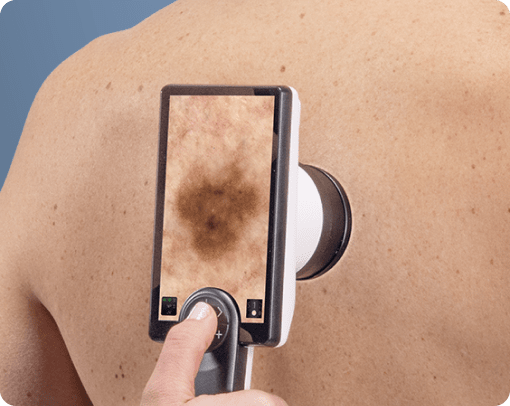
Digital dermoscopy (high-magnification images of selected moles)
These images are stored securely and compared over time to detect new moles or subtle changes early—especially important for melanoma screening in higher-risk patients.
2. Why Mole Mapping Matters
Some melanomas can be difficult to spot early because changes may be subtle. Mole mapping helps by:
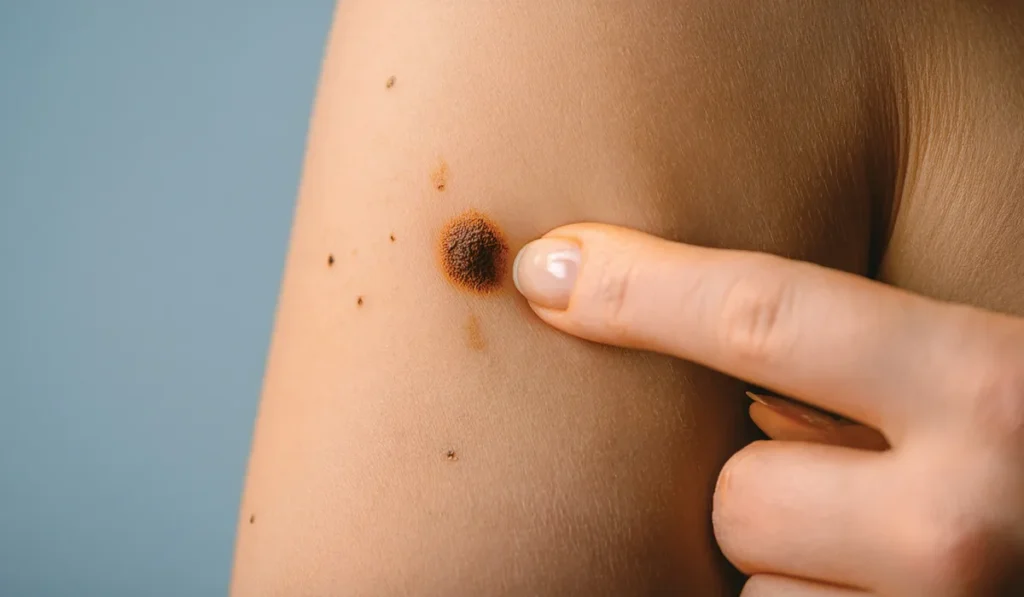
Detecting new lesions that stand out (“new or different”)
Tracking atypical moles for change over time
Reducing unnecessary biopsies by allowing safe monitoring when appropriate
Supporting earlier diagnosis, when treatment is most effective
3. Who Benefits Most From Mole Mapping?
Mole mapping is often recommended if you:
Have many moles (commonly 50+)
Have atypical/dysplastic nevi
Have a personal or family history of melanoma
Sunburn easily or have a history of intense sun exposure
Have changing moles or “moles that look different from the others”
Your dermatologist will confirm whether mole mapping is right for you.
4. What Happens During a Mole Mapping Visit
A typical visit may include:
Full-body skin exam by your dermatologist
Baseline total-body photographs (to document your skin pattern)
Dermoscopic images of selected moles that need closer monitoring
A personalized follow-up plan based on your risk level
If a spot appears suspicious, your dermatologist may recommend a biopsy.
5. Pre-Op Instructions
(Before Your Mole Mapping Appointment)
To get the best images and most accurate baseline:
24–48 hours before
Avoid sunburn or tanning (sunburn can make evaluation harder)
If possible, avoid self-tanners for at least 1 week
Make a note of any moles you’re worried about (phone photo is fine)
Day of appointment
Wear loose, easy-to-change clothing
- Avoid heavy makeup, body oils, or glitter lotions
- Expect results in several business days (timing varies)
Remove nail polish if possible (nails can be part of skin screening)
Tie up long hair or bring a hair clip (helps scalp exam)
Bring a list of:
– Personal/family skin cancer history
-Any prior biopsies or melanoma diagnoses
-Medications (especially immunosuppressants)
Privacy note: You will be draped appropriately, and only medically necessary images are taken.
6. Post-Op Instructions (After Your Mole Mapping Appointment)
If no biopsy was done
No downtime—return to normal activities immediately
Follow your dermatologist’s plan for:
Routine skin exams
Digital follow-up comparisons (commonly 3–12 months depending on risk)
If a biopsy was done (sometimes happens the same day)
You will receive specific wound care instructions, but typical guidance includes:
Keep the area clean and covered as directed
Avoid swimming/hot tubs until healed
Watch for infection signs: increasing redness, warmth, swelling, pus, fever
7. How Often Will I Need Mole Mapping?
Follow-up depends on your risk level:
Higher risk: more frequent monitoring (often every 3–6 months initially)
Moderate risk: typically every 6–12 months
Lower risk: periodic monitoring as advised
Your dermatologist will tailor the schedule to your history and mole pattern.
Where Mole Mapping Fits in Our Services
Category: 👉 Skin Cancer & Precancerous Conditions
Mole mapping supports early detection and careful monitoring for patients at elevated risk.
Call to Action
A strong baseline makes it easier to spot change early.
👉 Schedule a Full-Body Skin Exam + Mole Mapping
Frequently Asked Questions
What is the difference between mole mapping and a regular skin exam?
A regular skin exam checks your skin for suspicious lesions today.
Mole mapping creates a baseline photo record and tracks change over time—especially helpful if you have many or atypical moles.
Does mole mapping hurt?
No. Total-body photography and dermoscopy are painless and noninvasive.
Will you photograph all of my moles?
Not necessarily. Total-body photos document your overall skin pattern. Your dermatologist may take close-up dermoscopic images of selected moles that need monitoring.
Does mole mapping replace a biopsy?
No. Mole mapping helps determine which moles can be safely monitored—but if a lesion looks suspicious, a biopsy is still the definitive test.
How long does the appointment take?
It varies by the number of moles and images needed. Most visits take longer than a standard skin exam, but many patients find it worthwhile for peace of mind and accuracy.
What should I watch for between visits?
Contact us if you notice:
A new spot that stands out
A mole that is changing
A sore that doesn’t heal
A spot that bleeds, crusts, or becomes painful/itchy
Is mole mapping only for melanoma?
It’s most commonly used for melanoma surveillance, but it can also help monitor other changing lesions and support comprehensive skin cancer screening.
How are my images stored?
Images are stored securely as part of your medical record and used only for clinical care and comparisons over time.
Is mole mapping covered by insurance?
Coverage varies by plan and medical necessity. Our office can help review coverage and options before your visit.