Skin Cancer & Pre-Cancer Care
C. Skin Cancer Treatment
Skin Cancer & Pre-Cancer Care
A. Skin Cancer Diagnosis
B. Skin Cancer Types
- Basal Cell Carcinoma (BCC)
- Squamous Cell Carcinoma (SCC)
- Melanoma
- Merkel Cell Carcinoma
- Cutaneous T-Cell Lymphoma (CTCL)
- Primary Cutaneous B-Cell Lymphoma (PCBCL)
- Metastatic Cancers
- Sarcoma
C. Skin Cancer Treatment
- Mohs Micrographic Surgery
- Surgical Excision
- Electrodessication & Curettage(ED&C)
Radiation Referral Coordination
D. Pre-Cancerous Lesions
- Actinic Keratosis (AK)
- Atypical(Dysplastic) Nevi
- Field Cancerization Treatment
- Photodynamic Therapy (PDT)
Medical Dermatology
(Chronic & Inflammatory Skin Diseases)
Pigment & Lesion Disorders
Non-Cancer Growth
Surgical Dermatology (Non-Cancer Procedures)
Cosmetic Dermatology
• Radiation Referral Coordination
1. What is Radiation Referral Coordination?
Sometimes, radiation therapy is recommended as part of skin cancer care—most often when:
a tumor is in a location where surgery may not be the best option,
additional treatment is advised after surgery, or
a patient has medical factors that make surgery difficult.
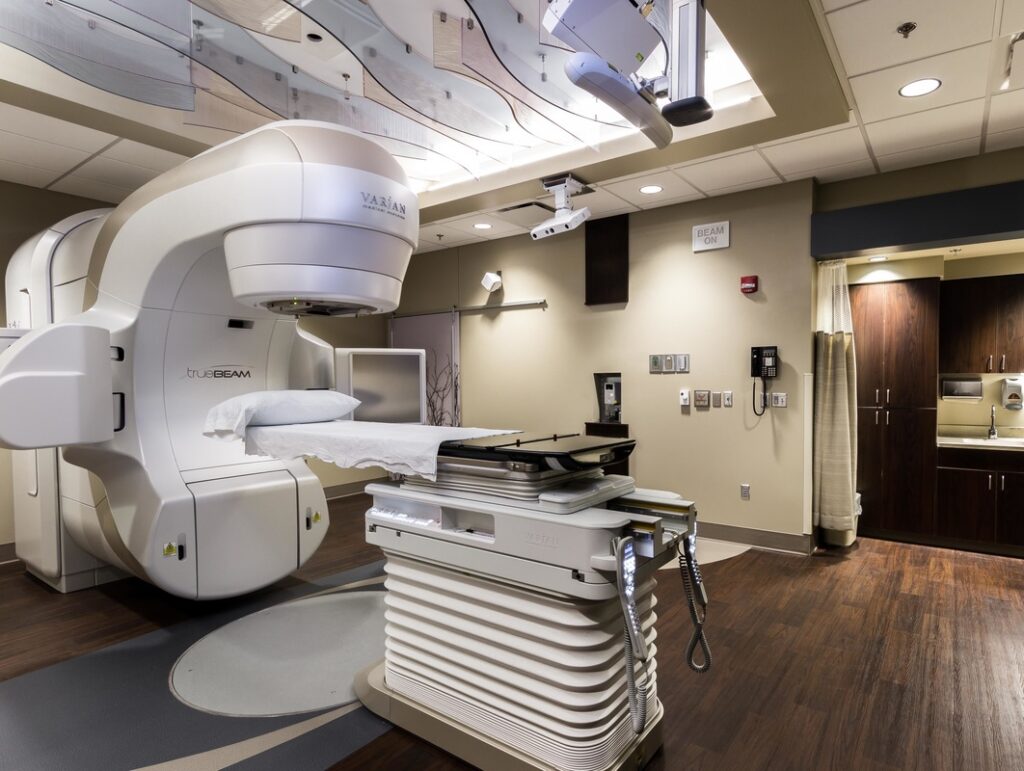
we will refer you to a Radiation Oncology Center
Radiation Referral Coordination means our dermatology team helps you move smoothly from diagnosis to a radiation oncology consultation by:
sending the right records and pathology,
sharing clinical photos and treatment history,
coordinating timelines and follow-up, and
staying involved in your skin surveillance during and after treatment.
2. What to Expect
Step 1: Dermatology Evaluation & Diagnosis
Skin exam + discussion of treatment options
Biopsy results reviewed (if applicable)
We explain why a radiation consult may be appropriate
Step 2: Radiation Oncology Consultation
The radiation oncology team will:
review your diagnosis and goals of treatment,
examine the treatment area,
discuss the expected schedule (often multiple short visits),
- explain possible side effects and skin care during treatment.
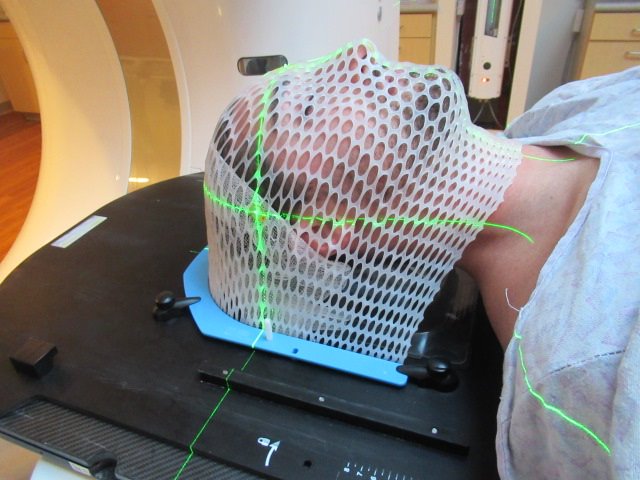
Step 3: Planning Visit
Some patients have a planning session to map the treatment area and ensure accurate positioning.
Step 4: Treatment Course
Treatments are typically brief, and your care team monitors skin response along the way.
Step 5: Dermatology Follow-Up
We continue your long-term plan with:
skin cancer surveillance,
scar/skin healing checks,
prevention and sun-protection guidance.
3. Pre-Op Instructions (Before Your Radiation Consultation)
Please bring (or have available)
Your medication list (including blood thinners and supplements)
Any previous skin cancer history and prior treatment sites
A list of questions/concerns (pain, cosmetic concerns, travel/scheduling)
Helpful prep tips
Avoid heavy makeup, lotions, or concealers on the treatment area the day of the visit
Wear comfortable clothing that allows easy access to the area being evaluated
Tell us if you have:
a pacemaker/implanted device,
a history of poor wound healing,
significant anxiety/claustrophobia (we can help plan for comfort)
We will send the key items (pathology report, clinic note, and relevant photos) to the radiation team so you don’t have to chase paperwork.
4. Post-Op Instructions (After Radiation Treatment)
Skin care basics (general guidance)
Your radiation team will give specific instructions. In general:
Be gentle with the treated skin (mild cleanser, pat dry)
Avoid rubbing/scratching the area
Use only products approved by your care team on the treated skin
Protect the area from sun exposure (hat/clothing; sunscreen only if/when approved)
What’s commonly normal
Redness or irritation in the treated area
- Dryness, sensitivity, or mild peeling
Gradual improvement after treatment ends (timing varies)
Call the radiation team (or our office) if you notice
worsening pain, blistering, or open skin
drainage/pus, fever, or rapidly spreading redness
swelling that is increasing instead of improving
any new rapidly changing lesion near the treatment site
Dermatology follow-up
Even after successful radiation, regular skin exams remain important. We’ll schedule:
a post-treatment skin check,
ongoing surveillance intervals based on your risk factors.
Frequently Asked Questions
Why would I be referred for radiation instead of surgery?
Radiation may be considered based on the type of skin cancer, location, size, recurrence risk, and your medical history. The consultation is to confirm whether radiation is the best option for you.
Does a referral mean I definitely need radiation?
No. A referral means we want you to meet the radiation oncology team to review options and get expert recommendations.
What records do you send to the radiation oncologist?
Typically:
pathology report (biopsy/excision results),
dermatology clinic notes,
procedure details (if you had surgery),
relevant photos and diagrams of the site.
How long does radiation treatment take?
The schedule varies by diagnosis and location. Many plans involve multiple short visits over several weeks, but your radiation oncologist will review the exact timeline with you.
Can I continue my regular dermatology visits during radiation?
Usually yes. We often coordinate timing so your skin can be monitored appropriately.
Will radiation leave a scar?
Radiation can change the skin’s texture and color over time. We’ll help you understand expected healing and long-term skin care, and coordinate with the radiation team.
Can the same area get skin cancer again?
Any treated area should be monitored long-term. That’s why we emphasize ongoing full-body skin exams and prevention strategies.
Who do I call if I have a problem during treatment?
For urgent treatment-site symptoms, call your radiation oncology team first (they manage day-to-day treatment effects). You can also contact our office—we’ll coordinate with them as needed.