Skin Cancer & Pre-Cancer Care
C. Skin Cancer Treatment
Skin Cancer & Pre-Cancer Care
A. Skin Cancer Diagnosis
B. Skin Cancer Types
- Basal Cell Carcinoma (BCC)
- Squamous Cell Carcinoma (SCC)
- Melanoma
- Merkel Cell Carcinoma
- Cutaneous T-Cell Lymphoma (CTCL)
- Primary Cutaneous B-Cell Lymphoma (PCBCL)
- Metastatic Cancers
- Sarcoma
C. Skin Cancer Treatment
- Mohs Micrographic Surgery
- Surgical Excision
Electrodessication & Curettage(ED&C)
- Radiation Referral Coordination
D. Pre-Cancerous Lesions
- Actinic Keratosis (AK)
- Atypical(Dysplastic) Nevi
- Field Cancerization Treatment
- Photodynamic Therapy (PDT)
Medical Dermatology
(Chronic & Inflammatory Skin Diseases)
Pigment & Lesion Disorders
Non-Cancer Growth
Surgical Dermatology (Non-Cancer Procedures)
Cosmetic Dermatology
• Electrodessication & Curettage (ED&C)
What is ED&C?
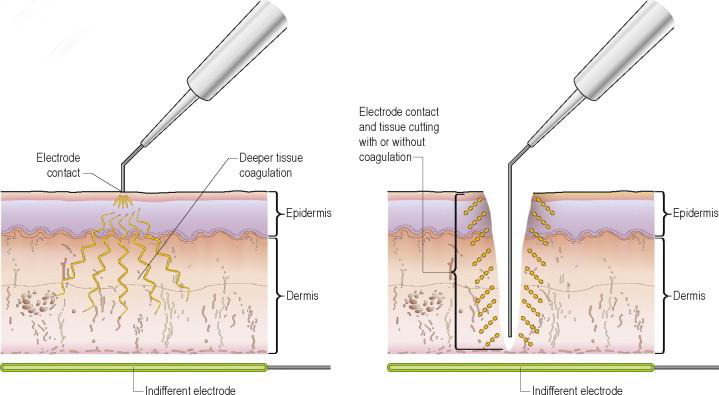
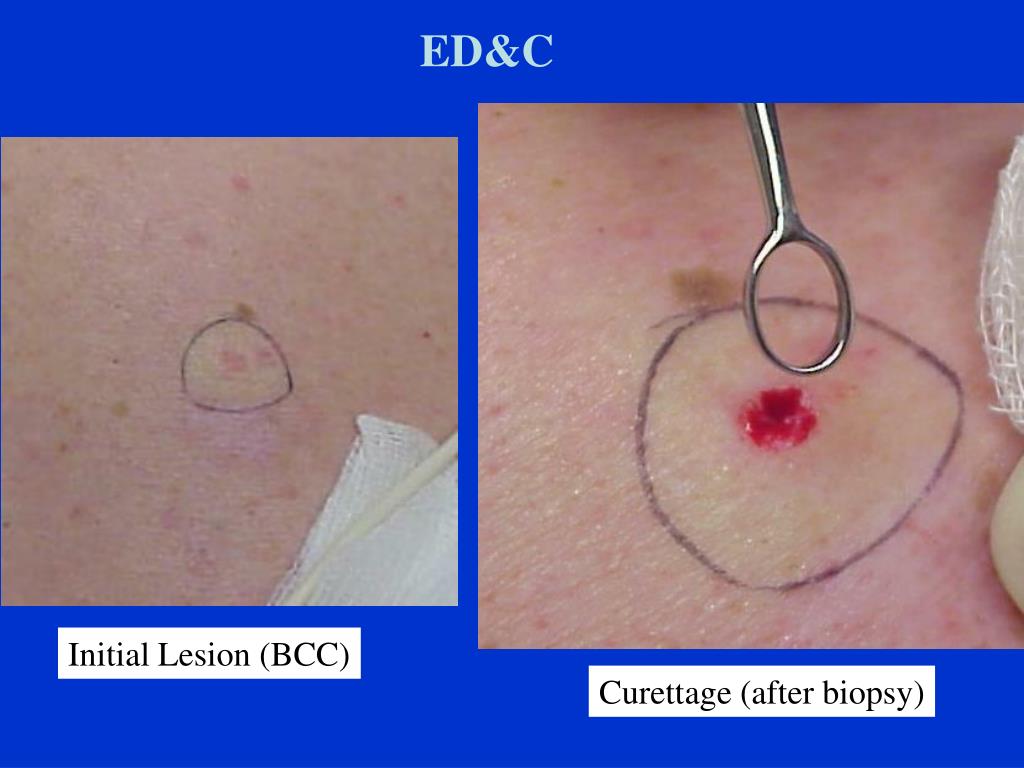
Electrodessication & Curettage (ED&C) is a common in-office procedure used to treat certain superficial, low-risk skin cancers. Your dermatologist scrapes away the lesion with a specialized instrument (a curette) and then uses a controlled electrical current to dry/cauterize the base to help destroy remaining abnormal cells and control bleeding. The scrape-and-treat cycle is often repeated during the same visit.
Key point: ED&C typically does not require stitches and heals naturally over several weeks.
What conditions is ED&C used for?
ED&C is commonly used for small, superficial basal cell carcinoma (BCC) and superficial squamous cell carcinoma (SCC) in appropriate locations.
It may also be used for some precancerous lesions in select situations.
Your dermatologist will recommend ED&C only if it’s a good match for the type, depth, location, and risk level of your lesion.
What to expect during the procedure
Most ED&C treatments are done in the office with local numbing:
Clean & numb the area (brief pinch/burn with numbing medicine)
Curettage: the lesion is gently scraped away
Electrodessication: the base is treated to control bleeding and treat remaining cells
Steps 2–3 may be repeated during the visit
A bandage is applied, and you’ll receive wound care instructions
Pre-Op Instructions (Before ED&C)
Before your appointment
Please tell us if you:
Take blood thinners (including aspirin, warfarin, clopidogrel, apixaban, rivaroxaban, etc.)
Have a bleeding disorder or bruise easily
Have allergies to lidocaine, antiseptics, or adhesives
Have a pacemaker/defibrillator (rarely relevant, but important to note)
⚠️ Do not stop prescribed blood thinners unless your prescribing clinician instructs you.
One week before
- Stop drinking alcohol (due to blood thinning effect of alcohol)
- Stop smoking
- stop fish oil supplement
- avoid optional aspirin and NSAIDS: Ibuprofen (Advil®, Motrin®), Naproxen (Aleve®), Aspirin (Bayer®), etc…
Day of procedure
Eat normally (no fasting needed unless we specifically instruct you)
Take your regular medications unless told otherwise
Wear comfortable clothing that allows easy access to the area
Avoid lotion/makeup directly over the site (especially face/scalp)
Post-Op Instructions (After ED&C)
ED&C heals by “secondary intention,” meaning the site heals from the bottom up and edges inward. Expect a scab and gradual healing over the next few weeks.
First 24 hours
Keep the bandage on and keep the area dry (unless instructed otherwise)
Starting after 24 hours (daily wound care)
Wash hands
Gently clean with mild soap and water
Pat dry
Apply a thin layer of ointment as instructed
Cover with a clean bandage
Continue daily until the site is healed.
What’s normal during healing
Mild redness around the area
Tenderness/soreness for a few days
A scab or yellowish film (often part of normal healing)
Bleeding
If bleeding occurs:
Apply firm pressure for 15 minutes without checking
Repeat once if needed
If bleeding continues after 30 minutes, contact the office
Avoid until cleared
Swimming, hot tubs, baths (soaking)
Picking the scab (can slow healing and increase scarring)
Heavy friction over the site
Call us if you notice
Increasing redness, warmth, swelling, pus, fever
Worsening pain after the first day
Bleeding that won’t stop with pressure
Red streaking from the wound
Frequently Asked Questions
Does ED&C hurt?
The area is numbed with local anesthetic. You may feel pressure or scraping, but you should not feel sharp pain during the procedure.
How long does ED&C take?
Often 10–20 minutes, depending on the size and location, plus time for numbing and instructions.
Will I need stitches?
Usually no—ED&C typically heals without stitches.
How long does it take to heal?
Healing varies by location and size, but many sites heal over several weeks.
When is ED&C NOT a good option?
ED&C may not be recommended for deeper, higher-risk tumors, or for certain locations where margin control or cosmetic outcome is especially important. Your dermatologist will guide you based on your diagnosis.
What if the cancer comes back?
If a lesion recurs, additional treatment (often surgical excision or Mohs surgery) may be recommended depending on the site and pathology.
Can I exercise after ED&C?
Light activity is usually okay, but avoid strenuous exercise or stretching the area for the timeframe your clinician recommends—especially if the site is on the back, shoulders, or legs.
Is ED&C covered by insurance?
Often yes—especially retinoids and exfoliating acids for several days before and after. We’ll give you an exact list based on your regimen.
Will there be a scar?
Yes. ED&C usually leaves a flat, round or oval scar that may look lighter or slightly different in texture than surrounding skin. Over time, many scars fade and become less noticeable.