Accessibility Tools

Number 1 Skin Cancer & Pre-Cancer Care

C. Skin Cancer Treatment

• Surgical Excision (Skin Lesion Removal)

1. What Is Surgical Excision?

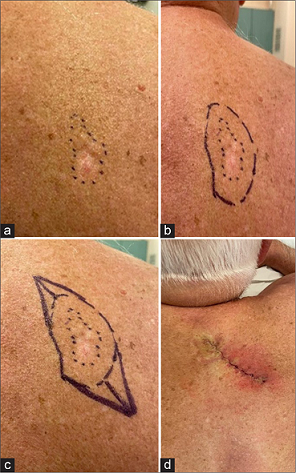
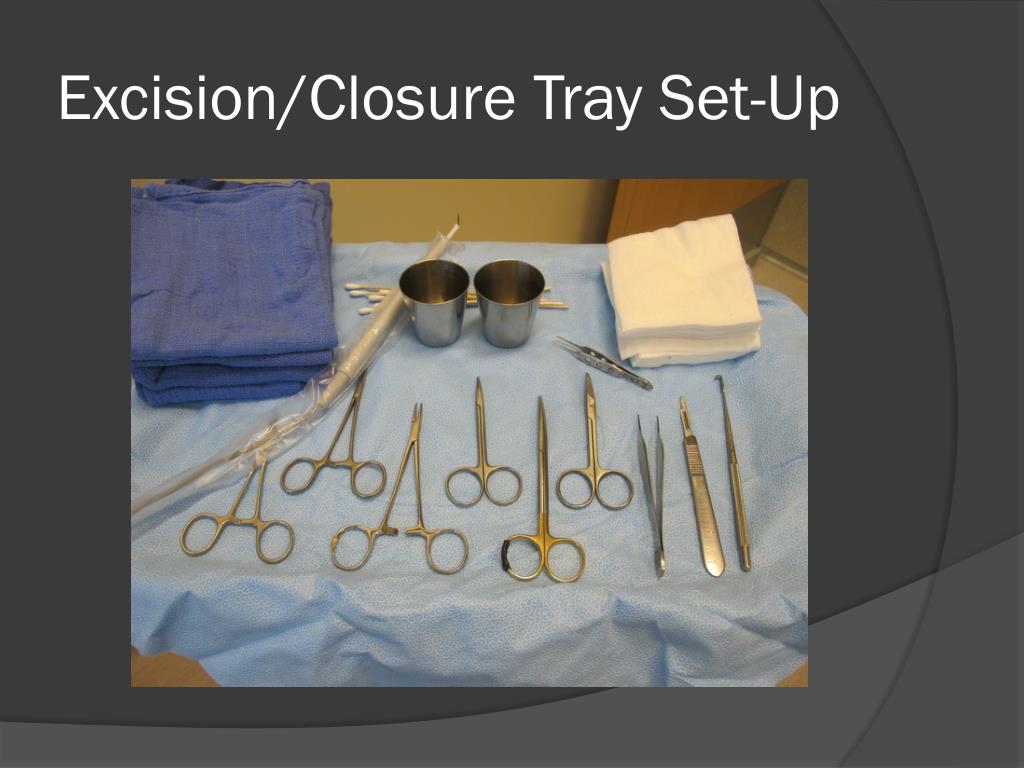
A surgical excision is a common in-office procedure where a dermatologist removes a skin lesion (such as a skin cancer, atypical mole, cyst, or other growth) along with a small margin of normal-appearing skin when needed. The area is then typically closed with stitches (sutures).

Excision is used to:

  • Treat skin cancers (such as BCC, SCC, and some melanomas)

  • Remove atypical/dysplastic moles

  • Remove certain benign growths (cysts, lipomas, irritated lesions)

  • Obtain a complete specimen for diagnosis and to confirm clear margins (when indicated)

2. What to Expect During Excision

Most excisions are performed in the office with local anesthesia:

  1. Marking & measuring the lesion

  2. Numbing injection (brief sting/burn)

  3. Removal of the lesion (you should not feel pain, only pressure)

  4. Bleeding control

  5. Stitches placed to close the wound

  6. Bandage applied + aftercare instructions

3. Pre-Op Instructions (Before Surgical Excision)

Tell us before your procedure if you:
  • Take blood thinners (aspirin, warfarin, clopidogrel, apixaban, rivaroxaban, etc.).

    • Any blood thinner prescribed by your providers, patient needs to ask the prescribers to see if it’s OK to stop the med prior to surgery, and for how long.
  • Have a bleeding disorder or bruise easily

  • Have allergies to lidocaine, antiseptics, or adhesives

  • Have a history of keloids or poor wound healing

  • Have had prior infections after procedures

⚠️ Do not stop prescribed blood thinners unless your prescribing physician instructs you.

One week before
  • Stop drinking alcohol (due to blood thinning effect of alcohol)
  • Stop smoking
  • stop fish oil supplement
  • avoid optional aspirin and NSAIDS: Ibuprofen (Advil®, Motrin®), Naproxen (Aleve®), Aspirin (Bayer®), etc…
The day of your excision
  • Eat normally (no fasting unless instructed)

  • Take your regular meds unless told otherwise

  • Wear comfortable clothing that allows easy access to the area

  • Avoid lotion/makeup directly over the site

  • If the excision is on the face/scalp: arrive with a clean face/scalp (no heavy makeup/hair products

4. Post-Op Instructions (After Surgical Excision)

(Your clinician may tailor this to your specific location and closure type.)

First 24 hours
  • Keep the bandage on and keep the area dry (unless told otherwise)

  • Mild soreness is common; use pain relief as recommended by your clinician

After 24 hours: daily wound care
  1. Wash hands

  2. Gently clean with mild soap and water

  3. Pat dry

  4. Apply a thin layer of ointment if instructed

  5. Cover with a clean bandage

Continue daily until fully healed or until stitch removal (if applicable).

Activity restrictions
  • Avoid strenuous exercise, heavy lifting, stretching, or friction on the site as instructed

  • Avoid swimming/hot tubs/baths (soaking) until cleared—especially with stitches

Bleeding—what to do
  • Apply firm, steady pressure with clean gauze for 15 minutes without checking

  • If still bleeding, repeat another 15 minutes

  • If bleeding continues after 30 minutes of pressure, contact the office

Call the office if you notice
  • Increasing redness, warmth, swelling, pus, fever

  • Worsening pain after the first day

  • Red streaking from the site

  • The wound opens or stitches come loose

Scar care (after the wound has closed)
  • Protect the area from sun (sun can darken scars)

  • Your clinician may recommend silicone gel/sheets or other scar-care options

When Will I Get Results?

If the excised tissue is sent to the lab, results are often available within several business days (timing can vary). We will contact you with:

  • The diagnosis

  • Whether margins are clear (if relevant)

  • Next steps and follow-up

Frequently Asked Questions

Does surgical excision hurt?

Local anesthesia is used. You may feel a brief sting from the numbing injection, but the procedure itself should not be painful. Some soreness afterward is normal.

Many excisions take 20–45 minutes, depending on location, size, and complexity of closure.

Often yes. Most excisions are closed with stitches. Some areas may use dissolving stitches, while others require removal in the office.

Any excision can leave a scar. Dermatologic closures are designed to optimize healing and appearance. Proper wound care and sun protection help scars fade over time.

Timing depends on location:

  • Face: often sooner

  • Body/arms/legs: often later
    Your office will provide exact timing based on the site.

Light activity is usually okay, but strenuous exercise and heavy lifting may be restricted—especially if the excision is near a joint or on the back/shoulders/legs where tension can pull on stitches.

If the excision was performed to treat a known skin cancer, we’ll confirm whether the margins are clear. If margins are not clear or if the tumor is higher risk, additional treatment (including Mohs surgery) may be recommended.

Many patients can safely have excisions while taking blood thinners, but you must inform your dermatologist. Do not stop prescribed blood thinners without guidance from the prescribing clinician.

Call us if you develop increasing redness, warmth, swelling, pus, fever, or worsening pain after the first day.