Skin Cancer & Pre-Cancer Care
A. Skin Cancer Diagnosis
Skin Cancer & Pre-Cancer Care
A. Skin Cancer Diagnosis
B. Skin Cancer Types
- Basal Cell Carcinoma (BCC)
- Squamous Cell Carcinoma (SCC)
- Melanoma
- Merkel Cell Carcinoma
- Cutaneous T-Cell Lymphoma (CTCL)
- Primary Cutaneous B-Cell Lymphoma (PCBCL)
- Metastatic Cancers
- Sarcoma
C. Skin Cancer Treatment
- Mohs Micrographic Surgery
- Surgical Excision
- Electrodessication & Curettage(ED&C)
- Radiation Referral Coordination
D. Pre-Cancerous Lesions
- Actinic Keratosis (AK)
- Atypical(Dysplastic) Nevi
- Field Cancerization Treatment
- Photodynamic Therapy (PDT)
Medical Dermatology
(Chronic & Inflammatory Skin Diseases)
Pigment & Lesion Disorders
Non-Cancer Growth
Surgical Dermatology (Non-Cancer Procedures)
Cosmetic Dermatology
• Dermoscopy
1. What Is Dermoscopy?
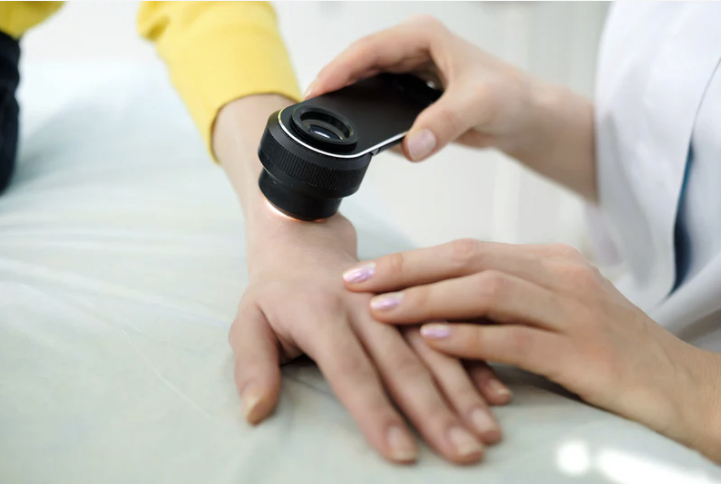
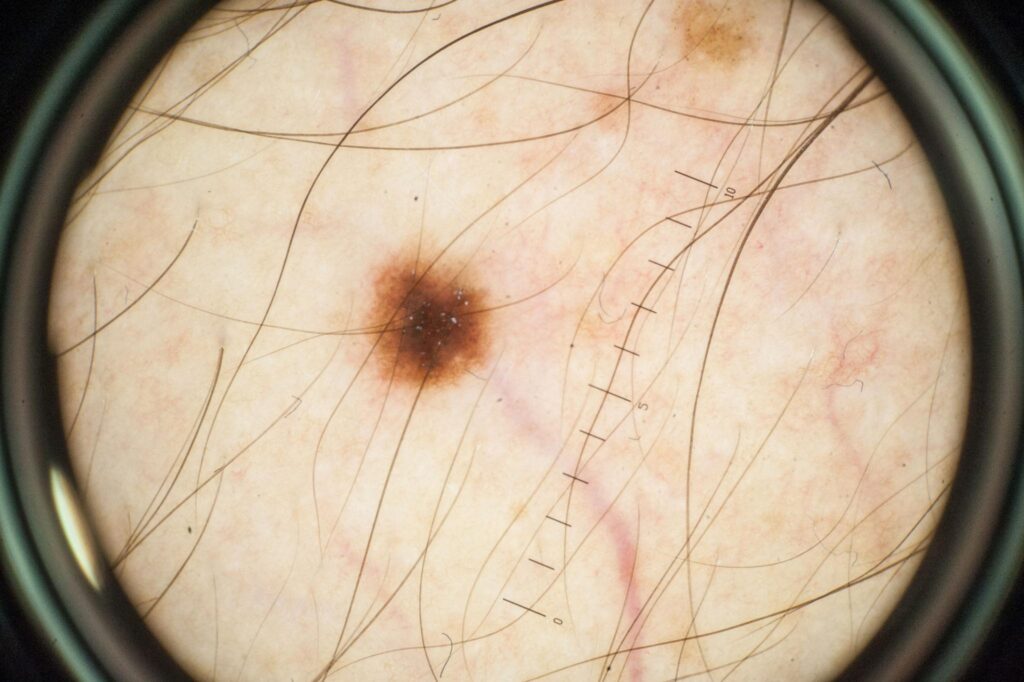
Dermoscopy is a non-invasive skin examination technique that allows your dermatologist to see skin structures beneath the surface that are not visible to the naked eye.
At our practice, dermoscopy is performed using a DermLite handheld dermoscope during your visit.
👉 Important:
No photographs are taken
No images are stored or uploaded to your medical chart
Dermoscopy is used only for real-time clinical evaluation
2. Why Dermoscopy Is Used
Dermoscopy improves diagnostic accuracy by helping your dermatologist:
Evaluate moles and pigmented lesions
Distinguish benign spots from suspicious lesions
Decide whether a spot should be monitored, biopsied, or reassured
Reduce unnecessary biopsies while improving early skin cancer detection
It is commonly used during:
Full-body skin exams
Spot checks of changing or concerning lesions
Evaluation of pigmented, vascular, or inflammatory skin conditions
3. What Can Dermoscopy Help Identify?
Dermoscopy can provide additional detail when evaluating:
Moles (nevi)
Atypical or changing lesions
Early skin cancers (such as melanoma, basal cell carcinoma, squamous cell carcinoma)
Seborrheic keratoses (“age spots”)
Vascular lesions
Some inflammatory skin conditions
4. What to Expect During Dermoscopy
The dermatologist places the DermLite device gently against the skin
A special light and magnification are used
The exam takes seconds per spot
There is no pain, cutting, or radiation
You may feel light pressure, similar to a magnifying glass touching the skin.
5. Pre-Op Instructions
(No procedure prep required — these are simple visit tips)
Before Your Appointment
Make note of any spots that are:
New
Changing
Bleeding
Itching
Different from others (“ugly duckling”)
Avoid heavy makeup or body oils on areas you want examined
Remove nail polish if possible (nails can be part of skin exams)
Tie back long hair or bring a clip for scalp evaluation
6. Post-Op Instructions
(No recovery needed)
You can return to normal activities immediately
If dermoscopy suggests a lesion needs closer evaluation, your dermatologist may:
Reassure you and recommend routine monitoring
Recommend a skin biopsy (separate procedure)
Schedule follow-up if clinically appropriate
There are no restrictions after dermoscopy alone.
Frequently Asked Questions
Does dermoscopy hurt?
No. Dermoscopy is painless and non-invasive.
Is dermoscopy the same as a biopsy?
No. Dermoscopy is a visual examination only. A biopsy involves removing a small piece of skin and is only done if needed.
Why does my dermatologist use dermoscopy instead of just looking?
Dermoscopy allows visualization of patterns beneath the skin surface that can’t be seen with the naked eye, improving diagnostic accuracy.
Can dermoscopy detect melanoma?
Dermoscopy helps identify features that may suggest melanoma, but a biopsy is required to confirm any diagnosis.
How often is dermoscopy used during a skin exam?
It’s used selectively, focusing on moles or spots that need a closer look.
Is dermoscopy safe?
Yes. Dermoscopy uses light and magnification only—no radiation or invasive tools.
Do I need dermoscopy at every visit?
Not necessarily. It’s used when your dermatologist feels it will add helpful diagnostic information.