
 Pigment & Lesion Disorders
B. Birthmarks & Congenital Lesions
 Skin Cancer & Pre-Cancer Care
 Medical Dermatology
 Non-Cancer Growth
 Cosmetic Dermatology
• Hemangiomas
(Common vascular growths—most often in infants; “cherry angiomas” in adults are different)
1. What is a Hemangioma?
A hemangioma is a benign (non-cancerous) growth made of blood vessels.
There are two common situations people mean when they say “hemangioma”:
Infantile hemangioma (“strawberry birthmark”) — appears in babies, often grows early, then slowly fades.
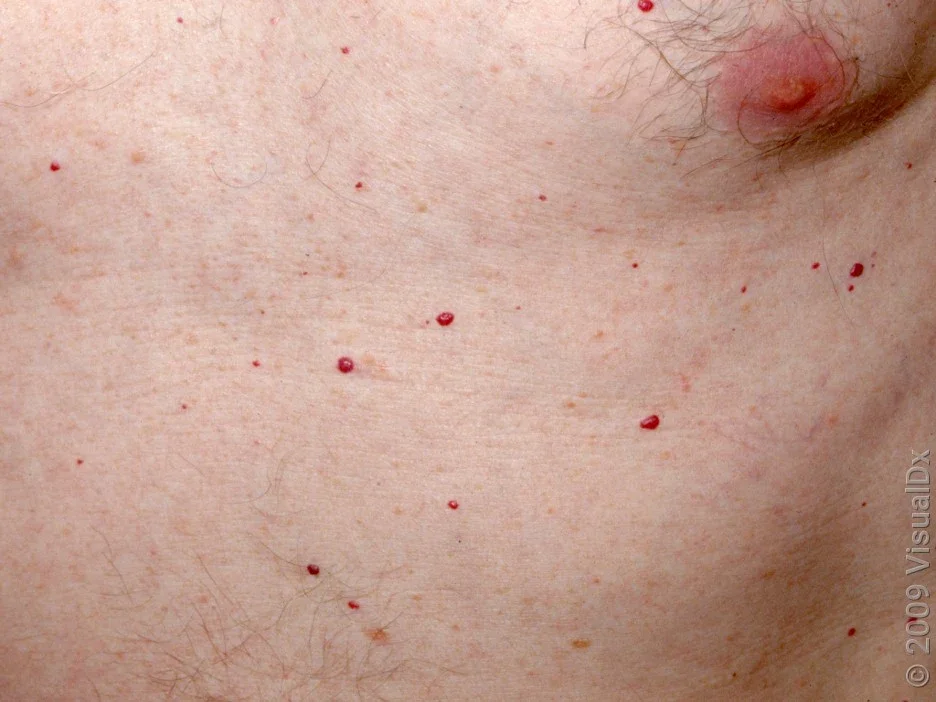
Cherry angiomas — tiny bright red bumps in adults (very common and harmless).
This page focuses mainly on infantile hemangiomas, since those can sometimes require treatment.
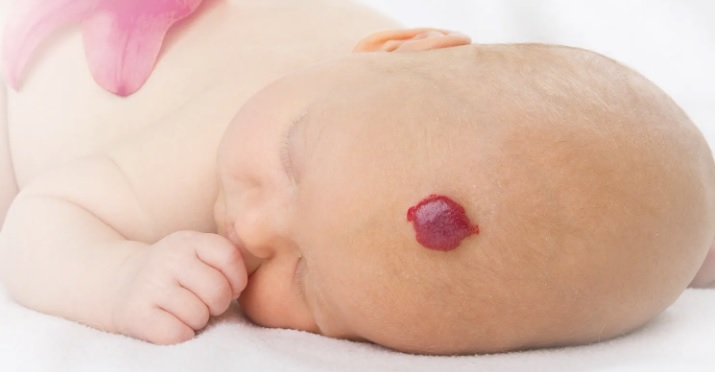
2. Infantile Hemangiomas: What to Expect
Typical timeline
Appear in the first weeks of life (sometimes present at birth as a faint mark)
Grow fastest during early infancy (often the first few months)
Stabilize, then gradually shrink/fade over years
Common locations
Face/scalp
Trunk
Arms/legs
Diaper area
Most infantile hemangiomas are harmless and improve over time—but some need closer monitoring or treatment.
3. When Hemangiomas Need Prompt Evaluation
Please contact us promptly if a hemangioma:
Is near the eye, nose, or lips (risk of vision/feeding issues or scarring)
Is in the diaper area (higher risk of ulceration)
Is ulcerating (open sore), bleeding repeatedly, or very painful
Is growing very rapidly or is very large
Is associated with multiple similar lesions (sometimes requires additional evaluation)
Seems to affect breathing/feeding (rare, urgent)
4. How We Diagnose Hemangiomas
Diagnosis is usually made with a clinical exam.
If needed (based on size, location, or number), we may coordinate:
Imaging (ultrasound) or specialty referral
Additional evaluation to ensure the hemangioma is uncomplicated
5. Treatment Options
Treatment depends on age, location, size, and whether there are complications.
a) Observation (“watchful waiting”)
Many hemangiomas can be safely monitored, especially when they are small, not in a high-risk location, and not ulcerating.
b) Medications (commonly used for higher-risk hemangiomas)
Topical therapy for selected small/superficial lesions
Oral beta-blocker therapy for hemangiomas that threaten function, ulcerate, or risk scarring
(Medication decisions are individualized and coordinated carefully, especially in infants.)
c) Laser treatment (selected cases)
Laser may be used for:
Certain superficial components
Residual redness after involution
Ulcer care support in specific cases
d) Surgery (uncommon)
Sometimes considered for:
Residual bulky tissue after hemangioma involution
Specific lesions where surgery offers the best functional/cosmetic result
6. Cherry Angiomas (Adults)
Cherry angiomas are small, bright red “dots” that commonly develop in adulthood. They are benign and do not require treatment unless they bleed easily or bother you cosmetically. Removal can be done with simple in-office techniques.
7. Pre-Op Instructions
(Not surgery—these are “before your visit/treatment” tips.)
Before your hemangioma evaluation
Bring baby’s health history (birth history, feeding, breathing concerns)
Take photos weekly in the same lighting to track growth (especially during the first months)
Note:
When it first appeared
How quickly it’s changing
Any bleeding, crusting, pain, or open areas
If medication therapy may be considered
Bring a list of all medications
Be ready to discuss:
Feeding patterns
Any breathing issues (wheezing)
Any heart history (rare but important)
If laser is scheduled
Avoid sunburn/tanning of the area when applicable
Arrive with clean skin (no thick ointments unless directed)
8. Post-Op Instructions
After starting observation/at-home care
Avoid friction and scratching (keep nails short, consider mittens for infants if needed)
Use gentle skincare and protect the area from rubbing straps/clothing
If near diaper area: frequent diaper changes and barrier protection can help prevent breakdown
After starting medication (if prescribed)
Follow dosing exactly as directed
Keep follow-up visits to monitor response and side effects
Call promptly if you notice:
Poor feeding
Unusual sleepiness
Breathing changes
Cold hands/feet or concerning color changes
After laser or in-office treatment
Mild redness/swelling can be normal
Use gentle cleansing and moisturizer as directed
Avoid picking any crusting
Call if blistering, increasing pain, pus, fever, or rapidly worsening redness occurs
If ulceration occurs
Ulceration can be painful and needs prompt care. Contact us for a treatment plan to:
Control pain
Prevent infection
Support faster healing and minimize scarring
Frequently Asked Questions
Are hemangiomas cancer?
No. Hemangiomas are benign growths of blood vessels.
Will my baby’s hemangioma go away?
Many infantile hemangiomas shrink and fade over time, though some leave residual skin changes (extra skin, faint redness).
Why is the location important?
Hemangiomas near the eye, nose, lips, airway region, or diaper area are more likely to cause complications (ulceration, scarring, or functional issues), so they’re evaluated more urgently.
Can a hemangioma bleed?
Yes—especially if it’s rubbed or ulcerated. Most bleeding can be stopped with gentle pressure, but repeated bleeding or ulceration should be evaluated.
What is ulceration?
Ulceration means the hemangioma develops an open sore. This can be painful and increases infection risk—prompt treatment helps healing.
Is treatment always necessary?
No. Many can be monitored. Treatment is recommended when there’s risk to vision, breathing, feeding, significant ulceration, or risk of scarring/disfigurement.
Do adults get “hemangiomas” too?
Adults commonly get cherry angiomas, which are harmless red bumps. They’re not the same as infantile hemangiomas and usually don’t require treatment.
When should I call the office right away?
Rapid growth in a high-risk area (especially around the eye)
Any ulceration, significant pain, or infection signs
Breathing or feeding concerns