

• Incision & Drainage (I&D)
(Treatment for painful boils, abscesses, and infected cysts)
What Is Incision & Drainage (I&D)?
Incision and Drainage (I&D) is a minor in-office procedure used to treat:
- Abscesses
- Boils (furuncles)
- Carbuncles
- Infected cysts
- Localized collections of pus under the skin
When pus becomes trapped beneath the skin, antibiotics alone may not fully resolve the infection. I&D allows the infection to drain so the area can heal properly.
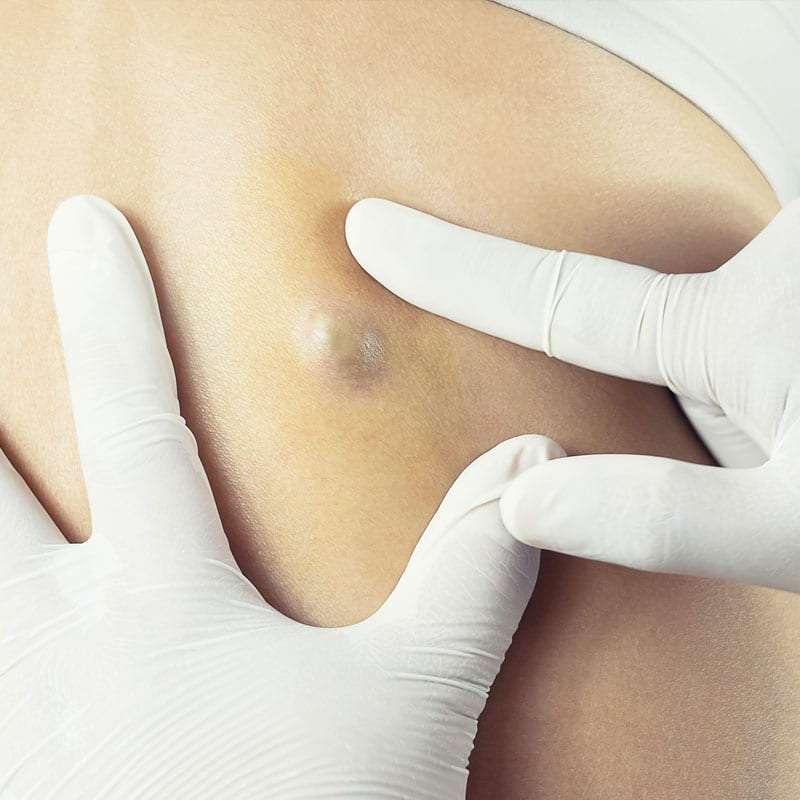
What Does an Abscess Look Like?
Common signs include:
- Painful swollen bump
- Redness and warmth
- Tenderness
- Pus or drainage
- Pressure or throbbing sensation
Some abscesses may also cause fever or fatigue.
What Causes Abscesses or Boils?
Most are caused by bacteria entering the skin through:
- Hair follicles
- Small cuts or irritation
- Ingrown hairs
- Blocked oil glands
Some infections are related to staph bacteria, including Methicillin-resistant Staphylococcus aureus (MRSA) infection.
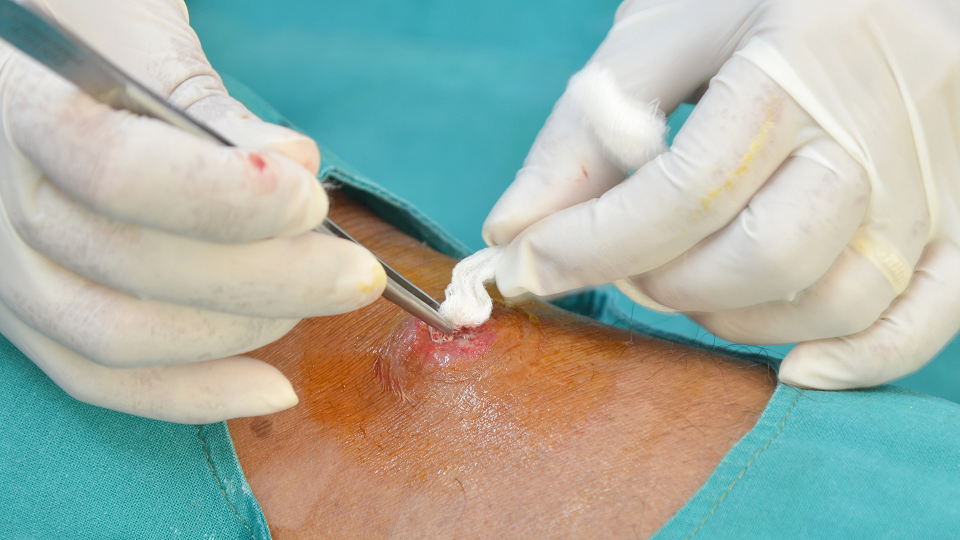
What Happens During an I&D Procedure?
Incision & drainage is usually performed in the office under local anesthesia.
During the procedure:
- The skin is cleaned
- Numbing medicine is injected
- A small opening is made in the abscess
- Pus and infected material are drained
- The area may be rinsed or packed with gauze
- A dressing is applied
The procedure is typically quick and helps relieve pressure and pain.
Will I Need Antibiotics?
Sometimes.
Your dermatologist will decide based on:
- Size of infection
- Location
- Surrounding redness
- Fever or systemic symptoms
- Risk factors for MRSA
Some abscesses heal well after drainage alone.
How Long Does Healing Take?
Healing depends on:
- Size of the abscess
- Location
- Underlying health conditions
Many smaller areas improve within 1–2 weeks.
Pre-Op Instructions (Before I&D)
Before your visit
- Eat normally unless instructed otherwise
- Tell us if you:
- Take blood thinners
- Have diabetes
- Have immune system problems
- Have allergies to medications or anesthetics
Do NOT
- Squeeze or aggressively pop the abscess at home
- Apply irritating chemicals or harsh products
Post-Op Instructions (After I&D)
What’s normal
- Mild soreness
- Continued drainage for 1–2 days
- Mild swelling or tenderness
Aftercare
- Keep the area clean and covered
- Change dressings as directed
- Wash hands before and after touching the area
- Complete prescribed antibiotics if given
- Avoid squeezing or picking
Packing
Some wounds are loosely packed with gauze and may require:
- Dressing changes
- Follow-up visits
- Packing removal
Call the office if
- Redness spreads
- Fever develops
- Pain worsens significantly
- Drainage becomes excessive
- You develop increasing swelling or warmth
Frequently Asked Questions
Will the procedure hurt?
Local anesthetic is used to numb the area. You may feel pressure, but discomfort is usually manageable.
Why can’t antibiotics alone fix an abscess?
Pus trapped under the skin often needs to be physically drained for proper healing.
Can the infection come back?
Yes. Some patients are prone to recurrent boils or cyst infections.
Will I have a scar?
A small scar is possible, especially with larger or deeper abscesses.
What is MRSA?
MRSA is a type of staph bacteria resistant to some antibiotics. It can still often be treated successfully with proper care.
Can I drain it myself at home?
No. Attempting to drain an abscess at home can worsen infection or spread bacteria deeper.
When should I seek urgent medical attention?
Seek prompt care if you have:
- Rapidly spreading redness
- Fever
- Severe pain
- Infection near the eye
- Difficulty moving the area
- Signs of systemic illness