
 Cosmetic Dermatology
• Acne Scarring Treatments(Improving acne-related texture changes, pitted scars, and uneven skin)
What Are Acne Scars?
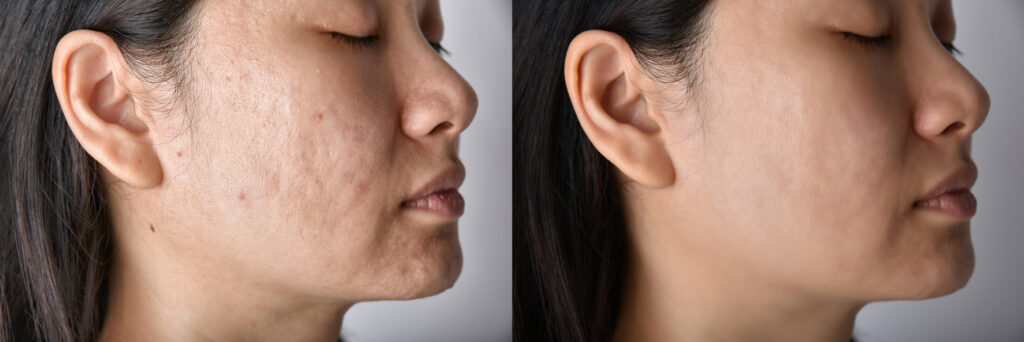
Acne scars are long-lasting texture changes that form after inflamed acne damages deeper layers of the skin. Unlike dark marks, true acne scars change the skin surface and may look pitted, indented, uneven, or raised.
Types of Acne Scars
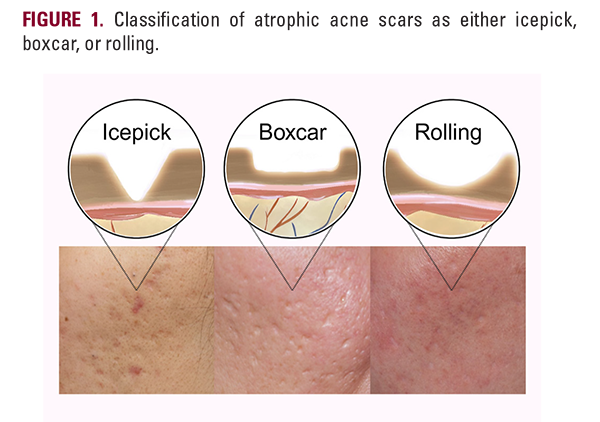
- Ice pick scars: small, deep narrow pits
- Boxcar scars: wider depressions with sharper edges
- Rolling scars: broad, shallow waves or dips
- Raised scars / keloids: thick, firm scars that grow above the skin
Treatment Options
Acne scar treatment is customized by scar type, skin tone, and acne activity.
Common options include:
- Microneedling for collagen stimulation
- Fractional laser for texture and scar remodeling
- CO₂ laser for deeper resurfacing in selected patients
- Chemical peels for mild texture and discoloration
- Subcision for tethered rolling scars
- Dermal filler for selected depressed scars
- Steroid injections for raised scars or keloids
Most patients need a series of treatments and sometimes a combination approach.
Pre-Op Instructions
- Acne should be reasonably controlled before scar treatment.
- Avoid sun exposure and tanning before procedures.
- Stop retinoids, exfoliating acids, and harsh scrubs as instructed.
- Tell us if you have a history of cold sores, keloids, PIH, or recent isotretinoin use.
- Arrive with clean skin and no makeup.
Post-Op Instructions
- Expect redness, swelling, dryness, or peeling depending on treatment.
- Use gentle cleanser and bland moisturizer.
- Avoid picking, scrubbing, exfoliating, or harsh products until cleared.
- Avoid sun exposure and use sunscreen daily.
- Call the office for worsening pain, pus, blistering, fever, or darkening that worsens.
Frequently Asked Questions
Can acne scars be completely removed?
Usually no, but they can often be significantly improved.
How many treatments will I need?
Many patients need 3–6 sessions, depending on scar type and treatment.
Should active acne be treated first?
Yes. Controlling acne first helps prevent new scars.
Which treatment is best?
It depends on scar type. Rolling scars may need subcision, pitted scars may need laser or microneedling, and raised scars may need injections.
Will treatments work for dark marks too?
Dark marks are post-inflammatory hyperpigmentation, not true scars. They may need pigment-focused treatment.
Is there downtime?
Yes, depending on treatment. Microneedling may have a few days; CO₂ laser may require longer recovery.
Are Acne Scarring Treatments covered by Health Insurance?
Usually no — most acne scar treatments are considered cosmetic by insurance companies and therefore are not covered.