

• Yeast Infections (Candidiasis)
(A common fungal infection caused by an overgrowth of yeast on the skin)
What Is Candidiasis?
Candidiasis is a fungal infection caused by an overgrowth of Candida yeast, which normally lives on the skin and body. When the skin environment becomes warm, moist, irritated, or imbalanced, yeast can overgrow and cause infection.
Yeast infections can affect:
- Skin folds
- Groin
- Under breasts
- Armpits
- Mouth (oral thrush)
- Nails
- Genital areas
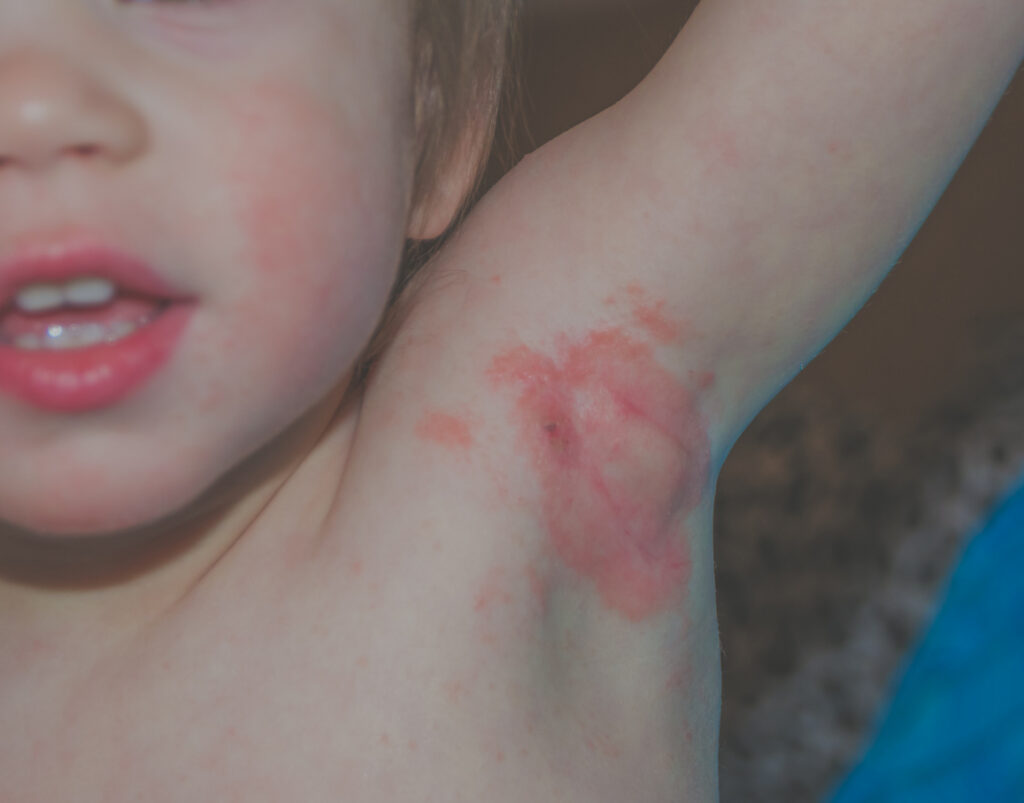
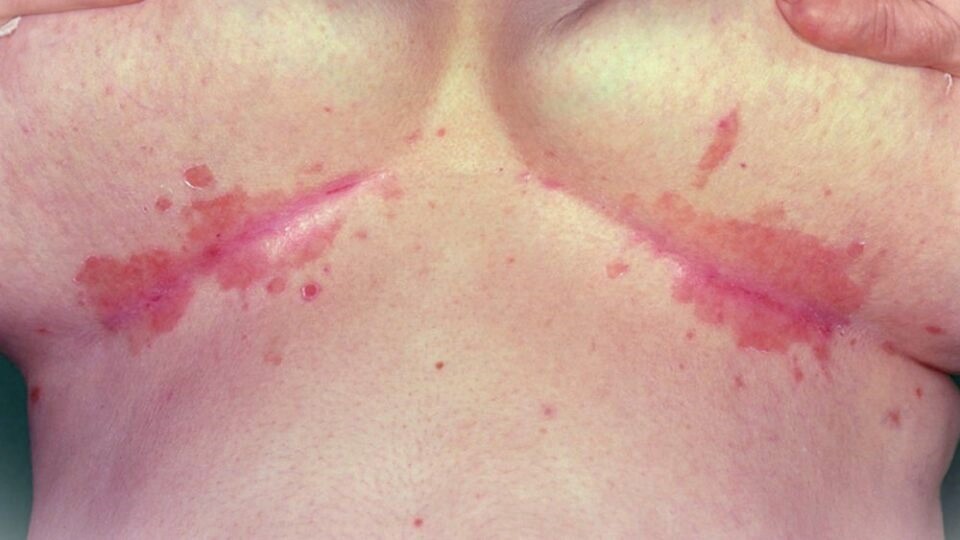
What Does a Yeast Infection Look Like?
Common symptoms include:
- Bright red rash
- Itching or burning
- Moist or shiny irritated skin
- Small surrounding “satellite” bumps or pustules
- Cracking or soreness in skin folds
- White patches in the mouth (oral thrush)
Who Is More Likely to Get Candidiasis?
Risk factors include:
- Warm or humid environments
- Sweating
- Diabetes
- Antibiotic use
- Obesity
- Immune suppression
- Skin friction
- Moist skin folds
How Is Candidiasis Diagnosed?
Diagnosis is often made by skin examination. In some cases, testing or skin scraping may be performed to confirm fungal infection and rule out eczema, psoriasis, or bacterial infection.
How Is Candidiasis Treated?
Treatment depends on location and severity.
Common treatments include:
- Topical antifungal creams or powders
- Oral antifungal medication in selected cases
- Keeping the area dry
- Reducing friction and moisture
- Managing contributing conditions such as diabetes
Oral thrush may require antifungal mouth rinses or oral medication.
Pre-Op Instructions
(Before evaluation or treatment)
- Keep the affected area clean and dry.
- Avoid heavy ointments unless instructed.
- Bring a list of recent antibiotics, steroid use, or new medications.
- Tell us if you have diabetes, immune suppression, or recurrent infections.
- Avoid tight or occlusive clothing if possible.
Post-Op Instructions
(After starting treatment)
- Use medication exactly as directed.
- Keep skin folds as dry as possible.
- Wear loose breathable clothing.
- Change sweaty clothing promptly.
- Continue treatment for the full recommended duration.
Call the office if:
- Redness spreads
- Pain worsens
- Pus or fever develops
- The rash repeatedly returns
- Oral symptoms worsen or interfere with eating
Frequently Asked Questions
Is candidiasis contagious?
Usually not in the way common infections spread, but yeast overgrowth can sometimes spread to nearby skin areas.
Is candidiasis caused by poor hygiene?
No. Yeast normally lives on the skin. Moisture, friction, antibiotics, and medical conditions often contribute.
What is intertrigo?
Intertrigo is inflammation in skin folds. Candida yeast commonly grows in these irritated moist areas.
Can diabetes increase yeast infections?
es. Elevated blood sugar can increase risk of recurrent candidiasis.
What is oral thrush?
Oral thrush is a Candida yeast infection inside the mouth that causes white patches and soreness.
Can steroid creams make yeast infections worse?
Yes. Steroids may temporarily reduce redness while allowing fungal overgrowth to worsen.
Can candidiasis come back?
Yes. Recurrence is common if moisture, friction, diabetes, or antibiotics continue to contribute.
When should I see a dermatologist?
Seek evaluation if the rash is painful, recurrent, widespread, unclear, or not improving with treatment.