

• Warts and Genital Warts
(Common viral skin growths caused by Human Papillomavirus (HPV))
What Are Warts?
Warts are benign skin growths caused by certain types of human papillomavirus (HPV). They can appear anywhere on the skin but are most common on the hands, fingers, feet, knees, and areas of minor skin trauma.
Warts are not cancer, but they can spread to other areas of your skin or to other people through contact.
Types of Warts
- Common warts: rough bumps on fingers, hands, or knees
- Plantar warts: warts on the soles of the feet; may feel like walking on a pebble
- Flat warts: small, smoother bumps often on the face, arms, or legs
- Periungual warts: around fingernails or toenails
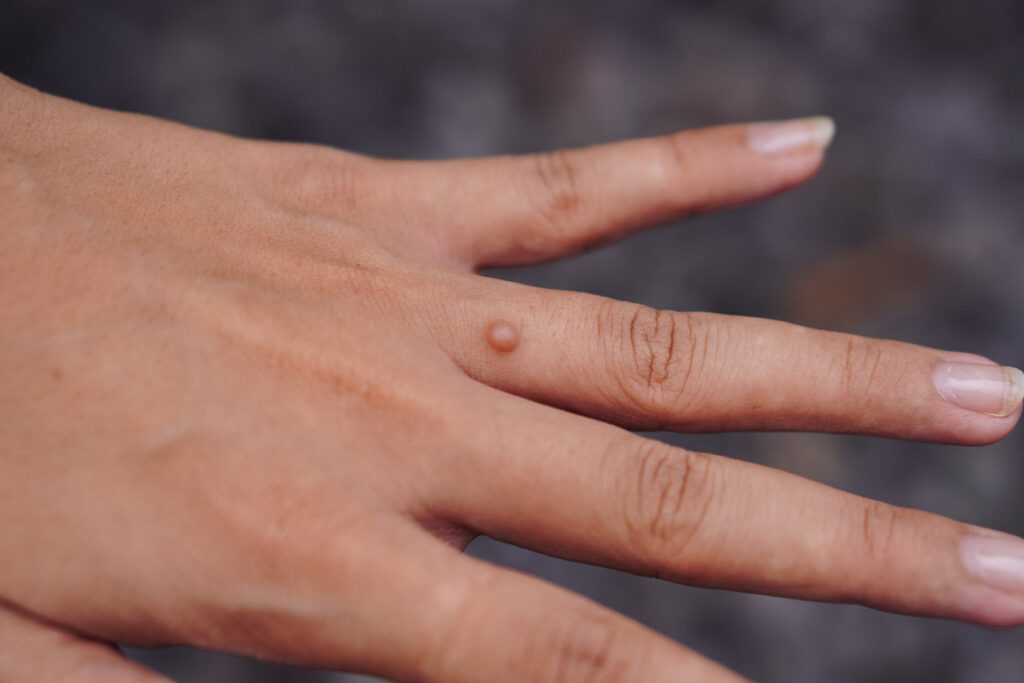
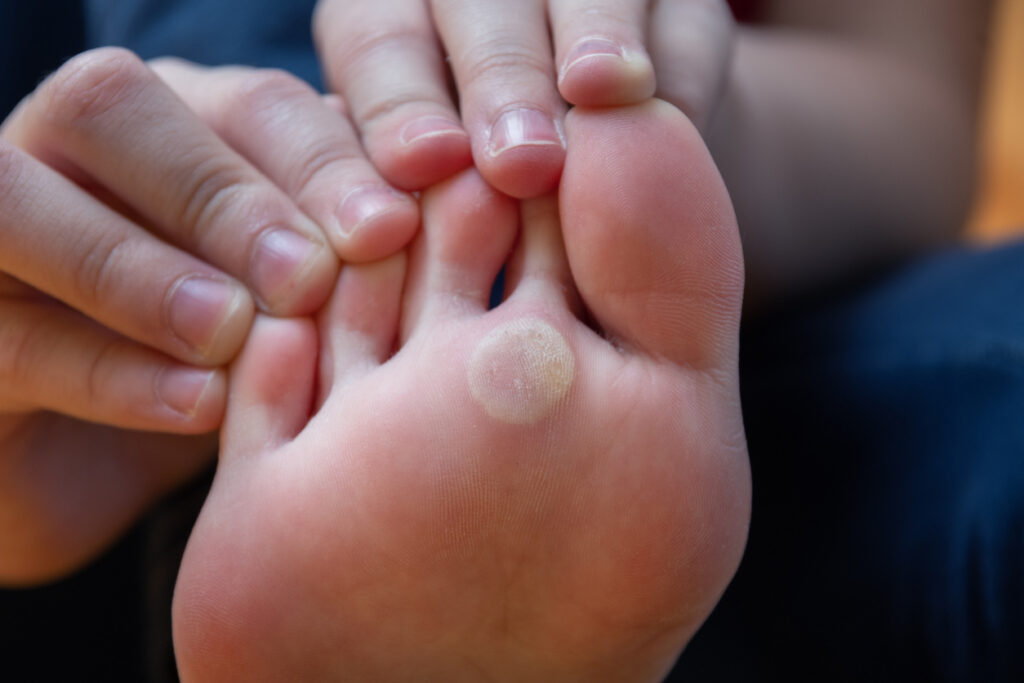
What Are Genital Warts?
Genital warts are caused by certain HPV strains affecting the genital or anal area.
They may appear as:
- Small flesh-colored bumps
- Soft raised growths
- Clusters resembling cauliflower-like bumps
Genital warts are considered a sexually transmitted infection (STI).
How Do Warts Spread?
Warts spread through:
- Skin-to-skin contact
- Shared surfaces or personal items
- Small skin breaks
- Sexual contact (genital warts)
The virus spreads more easily in:
- Warm moist environments
- Locker rooms
- Shared showers
- Areas of friction or shaving
How Are Warts Diagnosed?
Diagnosis is usually made during a skin examination.
Occasionally biopsy may be recommended if:
- The lesion is unusual
- Treatment fails
- The diagnosis is uncertain
How Are Warts & Genital Warts Treated?
Treatment depends on:
- Location
- Size
- Number of lesions
- Patient preference
Common treatment options:
- Cryotherapy (liquid nitrogen)
- Prescription topical medications
- Cantharidin in selected cases
- Curettage or removal
- Immune-stimulating therapies for stubborn warts
Genital wart treatment may involve:
- Topical medications
- Cryotherapy
- Minor procedural removal
Multiple treatments are often needed.
Pre-Op Instructions
(Before wart treatment)
- Do not cut or shave over warts.
- Avoid picking or scratching lesions.
- Tell us if you:
- Have diabetes
- Have poor circulation
- Are immunocompromised
- Are pregnant
- Previously used wart treatments
For genital warts:
- Avoid applying irritating products before the visit.
- Avoid sexual contact if lesions are inflamed or irritated.
Post-Op Instructions
(After cryotherapy or wart treatment)
What’s normal
- Redness
- Swelling
- Blistering
- Crusting or scabbing
- Mild soreness
Aftercare
- Keep the area clean.
- Avoid picking blisters or scabs.
- Cover irritated areas with a bandage if needed.
- Use medications exactly as prescribed.
Call the office if
- Severe pain develops
- Signs of infection occur
- Fever develops
- Significant swelling or drainage occurs
Frequently Asked Questions
Are warts contagious?
Yes. Warts can spread through direct contact or shared surfaces, especially when skin is broken or wet.
Are genital warts caused by HPV?
Yes. Genital warts are caused by certain strains of Human Papillomavirus (HPV).
Do warts go away on their own?
Sometimes, especially in children, but it can take months to years.
Can warts go away on their own?
Sometimes, especially in children, but some persist for months or years.
Do all HPV infections cause cancer?
No. Most wart-causing HPV strains are low-risk and do not cause cancer.
Can genital warts recur after treatment?
Yes. HPV can remain in the skin even after visible warts are treated.
Is the HPV vaccine helpful?
HPV vaccination helps protect against several HPV strains, including some associated with genital warts and certain cancers.
Why do warts require multiple treatments?
The virus lives within skin cells, and repeated treatment often helps stimulate the immune system to clear the infection.
Will wart treatment leave scars?
Scarring is uncommon but can occur, especially after aggressive treatment or picking.