

• Tinea Versicolor
(A common superficial fungal condition causing lighter or darker skin patches)
What Is Tinea Versicolor?
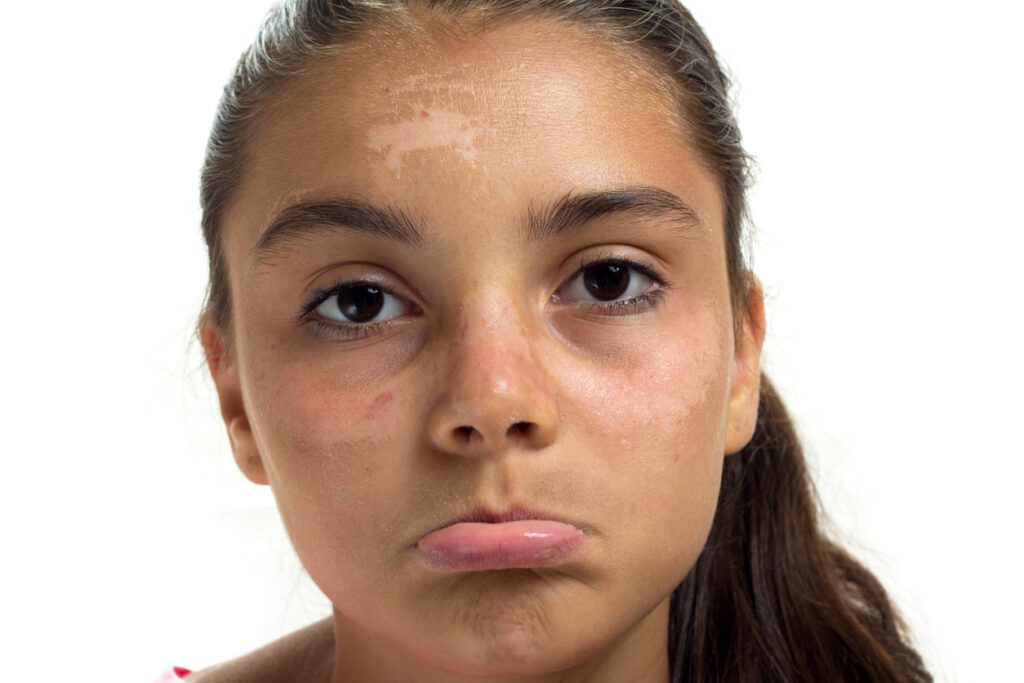
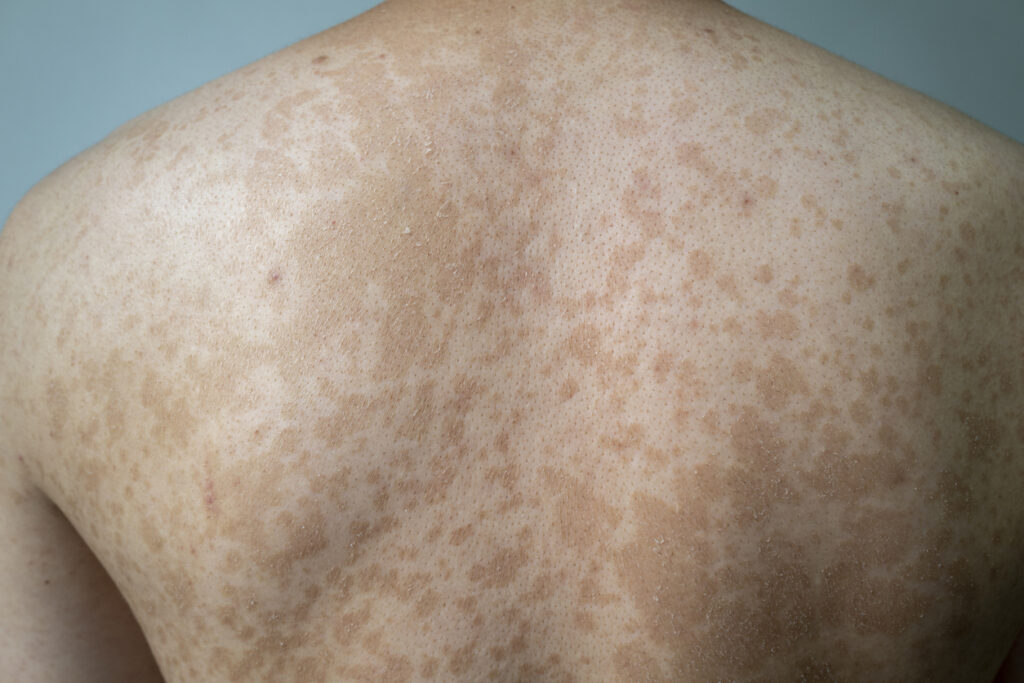
Tinea versicolor is a very common superficial fungal condition caused by an overgrowth of yeast that normally lives on the skin. Despite the name, it is not the same as ringworm.
The condition causes:
- Lighter patches
- Darker patches
- Fine scaling
- Uneven skin tone
It most commonly affects:
- Chest
- Back
- Shoulders
- Neck
- Upper arms
What Causes Tinea Versicolor?
The yeast normally lives harmlessly on the skin, but certain conditions can trigger overgrowth, including:
- Hot or humid weather
- Sweating
- Oily skin
- Exercise
- Hormonal changes
- Immune system changes
Tinea versicolor is common in teenagers and young adults.
What Does Tinea Versicolor Look Like?
Common signs include:
- Lighter or darker patches than surrounding skin
- Fine dry scale
- Mild itching in some patients
- Areas that become more noticeable after sun exposure because affected skin does not tan normally
The color changes vary depending on skin tone.
Is Tinea Versicolor Contagious?
No. It is generally not considered contagious because the yeast normally exists on most people’s skin.
How Is Tinea Versicolor Diagnosed?
A dermatologist can often diagnose tinea versicolor during a skin exam. Sometimes additional testing may include:
- Skin scraping
- Microscopic examination
- Wood’s lamp examination
This helps distinguish it from vitiligo, eczema, post-inflammatory pigment changes, or other fungal infections.
How Is Tinea Versicolor Treated?
Treatment may include:
- Antifungal creams or lotions
- Antifungal shampoos used on the skin
- Oral antifungal medication for widespread or recurrent cases
Even after the fungus is treated, skin color may take weeks or months to return to normal.
Pre-Op Instructions
(Before evaluation or treatment)
- Avoid heavy lotions or oils before your appointment.
- Tell us if you previously tried antifungal products.
- Inform us if you are pregnant, breastfeeding, or taking other medications.
- Arrive with clean skin if possible.
Post-Op Instructions
(After starting treatment)
- Use medications exactly as directed.
- Continue treatment for the full recommended course.
- Keep skin cool and dry when possible.
- Shower after heavy sweating or exercise.
- Use maintenance therapy if recommended for recurrent cases.
Call the office if:
- The rash spreads rapidly
- Skin becomes painful or inflamed
- You develop medication side effects
- Pigment changes continue worsening
Frequently Asked Questions
Is tinea versicolor the same as vitiligo?
No. Vitiligo is an autoimmune pigment disorder, while tinea versicolor is caused by yeast overgrowth.
Why are the patches more noticeable after tanning?
Affected areas do not tan normally, making the contrast more visible after sun exposure.
Will my skin color return to normal immediately?
No. The fungus may clear before the pigment returns to normal. Repigmentation can take weeks to months.
Is tinea versicolor contagious?
Generally no. The yeast normally lives on human skin.
Can tinea versicolor come back?
Yes. Recurrence is common, especially in warm humid climates or with sweating.
Does poor hygiene cause tinea versicolor?
No. It is related to yeast overgrowth, not poor hygiene.
Can over-the-counter antifungal shampoos help?
Some mild cases improve with antifungal shampoos or washes, but persistent or recurrent cases may require prescription treatment.