

• Syphilis & Genital Syphilis
(A sexually transmitted infection (STI) that can affect the skin, genitals, mouth, and other parts of the body)
What Is Syphilis?
Syphilis is a sexually transmitted infection (STI) caused by the bacterium Treponema pallidum. It can affect:
- Genitals
- Skin
- Mouth
- Lymph nodes
- Nervous system
- Other organs if untreated
Syphilis progresses through different stages and may sometimes have very mild or unnoticed symptoms.
What Is Genital Syphilis?
Genital syphilis refers to syphilis involving the genital or anal area. Early infection often causes a sore called a chancre.
What Does Syphilis Look Like?
Primary Syphilis
Often causes:
- A painless sore (chancre)
- Smooth ulcer or open lesion
- Swollen nearby lymph nodes
The sore may occur on:
- Penis
- Vulva
- Vagina
- Anus
- Mouth
The sore may heal on its own even without treatment.
Secondary Syphilis
Can develop weeks later and may cause:
- Rash on the body
- Rash involving palms and soles
- Mouth sores
- Wart-like lesions
- Fever
- Fatigue
- Hair thinning
- Swollen lymph nodes
The rash may look different depending on skin tone.
How Does Syphilis Spread?
Syphilis spreads through:
- Sexual contact
- Direct contact with syphilis sores
- Oral, vaginal, or anal sex
Pregnant individuals can also pass syphilis to a baby during pregnancy.
How Is Syphilis Diagnosed?
Diagnosis may include:
- Skin examination
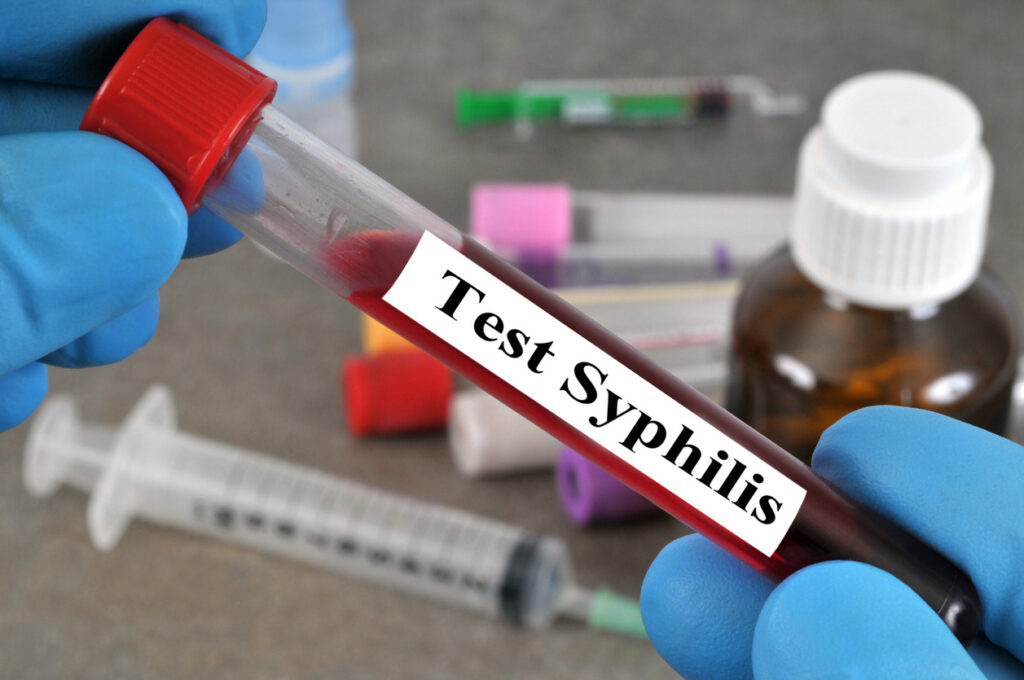
- Blood testing
- Swab testing from sores in selected cases
Because syphilis can mimic many skin conditions, proper testing is very important.
How Does Syphilis Spread?
Syphilis spreads through:
- Sexual contact
- Direct contact with syphilis sores
- Oral, vaginal, or anal sex
Pregnant individuals can also pass syphilis to a baby during pregnancy.
How Is Syphilis Diagnosed?
Diagnosis may include:
- Skin examination
- Blood testing
- Swab testing from sores in selected cases
Because syphilis can mimic many skin conditions, proper testing is very important.
Why Early Treatment Matters
Untreated syphilis can eventually affect:
- Brain and nerves
- Eyes
- Heart
- Blood vessels
- Other organs
Prompt diagnosis and treatment are very important.
Pre-Op Instructions
(Before evaluation or testing)
- Avoid sexual contact if active sores or rash are present.
- Avoid applying heavy creams before your visit.
- Bring information about recent STI testing or treatments.
- Tell us if:
- You are pregnant
- You have fever or neurologic symptoms
- You are allergic to antibiotics
- A partner has been diagnosed with an STI
Post-Op Instructions
(After diagnosis or treatment)
What’s normal
- Mild soreness at injection site
- Gradual improvement of sores or rash
- Temporary fatigue after treatment in some patients
Aftercare
- Complete all prescribed treatment
- Avoid sexual activity until cleared by your healthcare provider
- Notify sexual partners when appropriate
- Follow recommended repeat blood testing
- Keep follow-up appointments
Call the office promptly if
- Symptoms worsen significantly
- Eye symptoms develop
- Severe headache or neurologic symptoms occur
- You develop severe allergic reactions
Frequently Asked Questions
Is Syphilis curable?
Yes. Syphilis is treatable and curable with proper antibiotics.
Can Syphilis symptoms go away without treatment?
Yes, but the infection can remain in the body and progress to more serious stages.
Is syphilis always painful?
No. The early sore (chancre) is often painless.
Can syphilis cause a rash?
Yes. Secondary syphilis commonly causes a rash, including on the palms and soles.
Can syphilis be mistaken for other skin conditions?
Yes. Syphilis is sometimes called “the great imitator” because it can resemble many other rashes and skin diseases.
Should partners be tested?
Yes. Sexual partners may need testing and treatment.
Can I get syphilis more than once?
Yes. Previous infection does not provide permanent immunity.
Why is follow-up testing important?
Blood testing helps confirm that treatment worked properly.