

• Nail Fungus (Onychomycosis)
(A common fungal infection that affects the toenails or fingernails)
What Is Nail Fungus?
Nail fungus, also called onychomycosis, is a fungal infection involving the fingernails or toenails. It is much more common in toenails and can gradually cause the nail to become:
- Thickened
- Yellow or white
- Brittle
- Crumbly
- Distorted
Nail fungus is common and often develops slowly over time.
What Causes Nail Fungus?
Fungal organisms grow best in warm, moist environments. Risk factors include:
- Athlete’s foot
- Sweaty feet
- Tight shoes
- Nail trauma
- Aging
- Diabetes
- Poor circulation
- Immune suppression
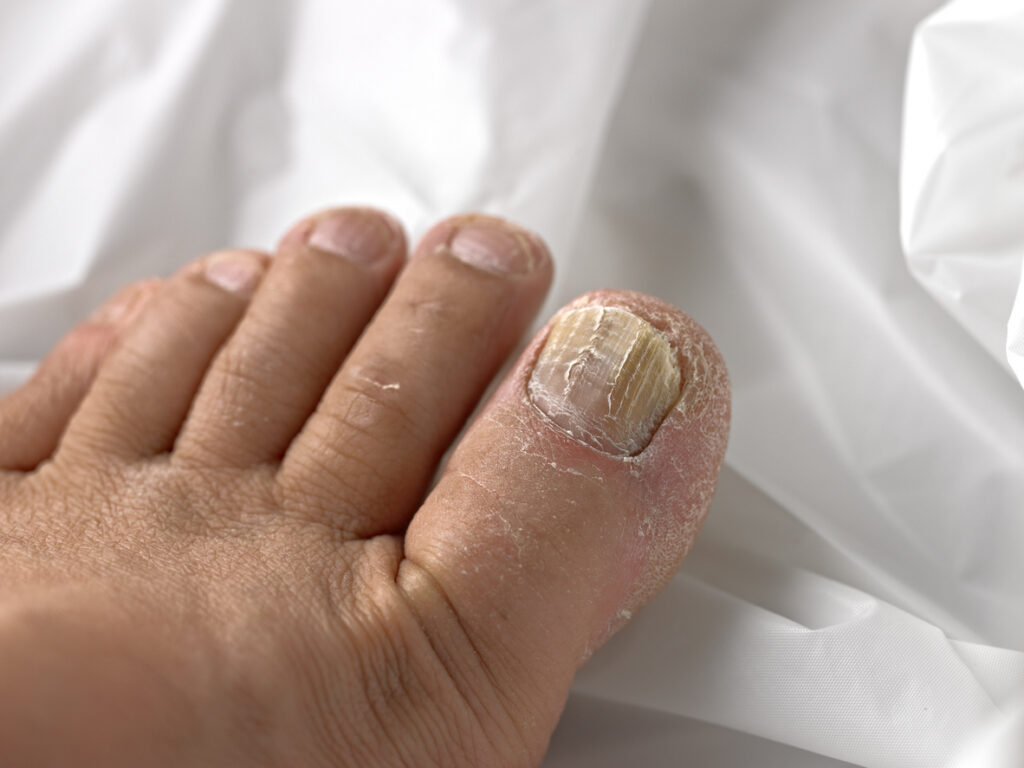
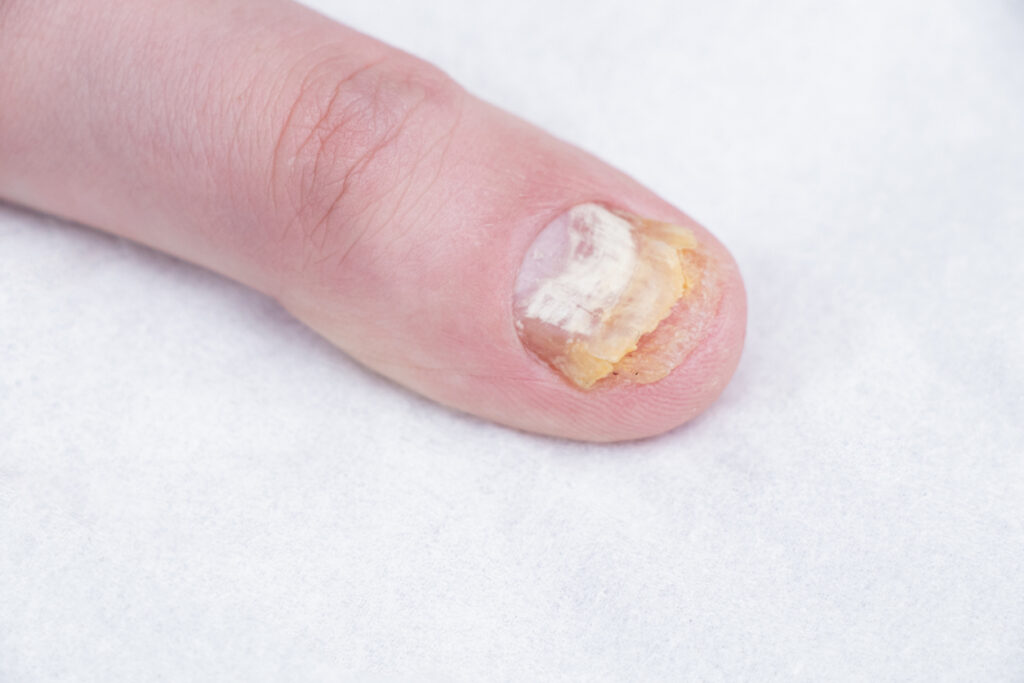
What Does Nail Fungus Look Like?
Common signs include:
- Yellow, white, or brown discoloration
- Thickened nails
- Crumbling edges
- Separation of the nail from the nail bed
- Distorted nail shape
- Debris under the nail
Some patients also notice odor or discomfort with shoes.
How Is Nail Fungus Diagnosed?
Not all abnormal nails are fungal. A dermatologist may:
- Examine the nails
- Trim or scrape the nail
- Perform fungal testing if needed
This helps distinguish fungal infection from psoriasis, trauma, eczema, or other nail disorders.
How Is Nail Fungus Treated?
Treatment depends on severity and how many nails are involved.
Common treatment options:
- Prescription topical antifungal medications
- Oral antifungal medications
- Nail trimming and thinning
- Treatment of athlete’s foot if present
Toenails grow slowly, so visible improvement may take many months.
Pre-Op Instructions
(Before evaluation or treatment)
- Remove nail polish before your appointment.
- Bring a list of medications and previous fungal treatments.
- Tell us if you have diabetes, liver disease, poor circulation, or immune suppression.
- Avoid trimming nails extremely short before fungal testing.
- Bring photos if nail changes fluctuate over time.
Post-Op Instructions
(After starting treatment)
- Use medication exactly as prescribed.
- Keep feet clean and dry.
- Change socks daily.
- Use breathable footwear.
- Disinfect or rotate shoes when possible.
- Continue treatment for the full recommended duration.
Call the office if:
- Pain worsens
- Redness or swelling develops
- Drainage occurs
- The nail becomes severely detached
- Medication side effects occur
Frequently Asked Questions
Is nail fungus contagious?
Yes. It can spread through shared surfaces, shoes, nail tools, and from athlete’s foot.
Can nail fungus go away on its own?
Usually no. Most cases gradually worsen without treatment.
How long does treatment take?
Toenails grow slowly, so improvement may take several months to over a year.
Do topical medications work?
They may help mild or early cases, but deeper infections sometimes require oral medication.
Is oral antifungal medication safe?
Many patients tolerate oral treatment well, but your dermatologist will review risks, medications, and liver history first.
Can nail fungus come back?
Yes. Recurrence is common, especially if athlete’s foot, sweaty shoes, or fungal exposure continues.
Can nail fungus spread to other nails?
Yes. Untreated fungal infection can spread to additional nails or surrounding skin.
When should I see a dermatologist?
Schedule an evaluation if nails become painful, thickened, discolored, detached, or difficult to trim.