

• Lice (Pediculosis)
(A common contagious infestation caused by tiny insects living on hair or skin)
What Is Pediculosis (Lice)?
Pediculosis means infestation with lice, tiny insects that live on hair or skin and feed on blood from the scalp or body.
The most common type is:
- Head lice
Other types include:
- Body lice
- Pubic lice (“crabs”)
Lice are common, especially among school-aged children, and are not a sign of poor hygiene.
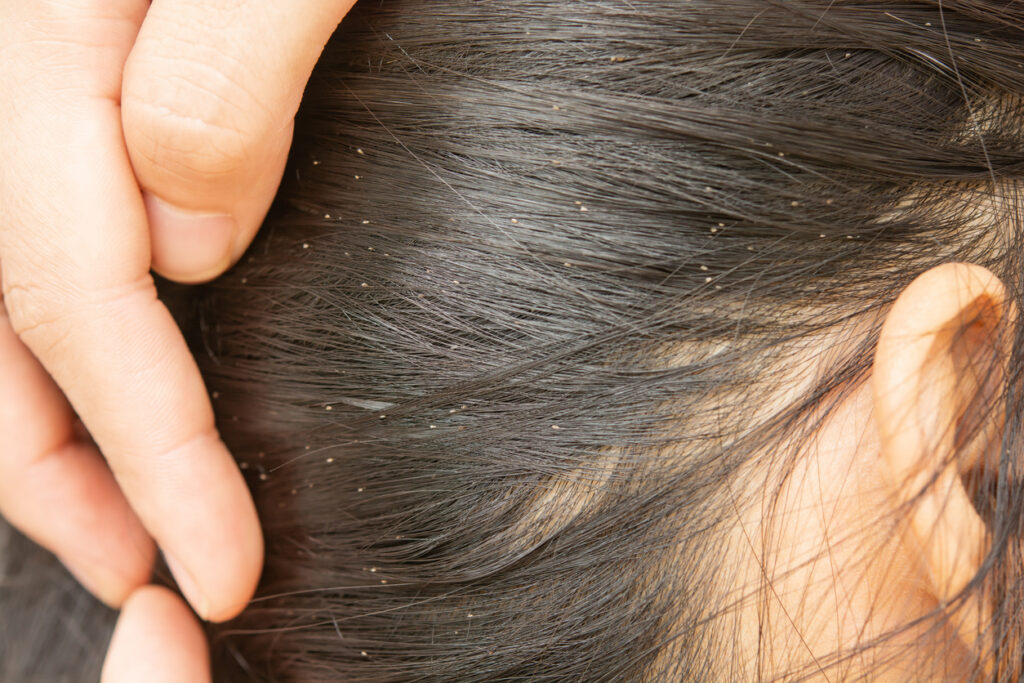
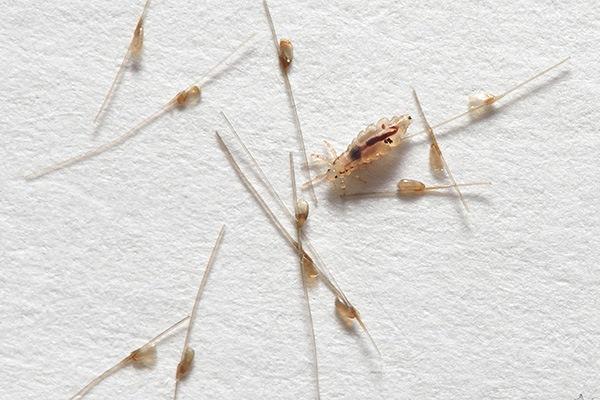
What Do Lice and Nits Look Like?
Lice
- Tiny moving insects
- Tan, gray, or brown
- About the size of a sesame seed
Nits (Eggs)
- Small white or yellowish oval eggs
- Firmly attached to hair shafts
- Often mistaken for dandruff
Common areas:
- Behind the ears
- Back of the scalp and neck
What Symptoms Do Lice Cause?
Symptoms may include:
- Itching of the scalp
- Tickling or crawling sensation
- Red bumps or irritation
- Difficulty sleeping due to nighttime itching
- Scratch marks or sores
Some people may have lice with minimal symptoms initially.
How Do Lice Spread?
Head lice spread mainly through:
- Head-to-head contact
- Shared hats, brushes, or hair accessories
- Close contact among children
Lice do not jump or fly.
How Are Lice Treated?
Common treatments include:
- Over-the-counter lice shampoos or lotions
- Prescription lice medications
- Wet combing with a fine-tooth nit comb
- Cleaning recently used bedding, hats, and hair items
Treatment often requires:
- Careful nit removal
- Repeat treatment in about 7–10 days depending on the product used
Close contacts may also need evaluation.
Pre-Op Instructions
(Before treatment or office evaluation)
- Avoid using multiple lice products at the same time unless instructed
- Do not apply conditioner before medicated lice treatment unless directed
- Bring all recent treatment information if prior therapies failed
- Tell us if:
- The scalp is severely irritated
- Sores or infection are present
- The patient has medication allergies
- Multiple household members are affected
Post-Op Instructions
(After treatment)
What’s normal
- Mild scalp irritation
- Continued itching for several days
- Occasional remaining nits while hair grows out
Aftercare
- Use nit combing as directed
- Wash recently used pillowcases, hats, bedding, and brushes
- Avoid sharing hair items
- Check close household contacts
Call the office if
- Live lice continue after treatment
- Severe scalp irritation develops
- Pus or infection occurs
- Recurrent infestations continue despite treatment
Important Cleaning Recommendations
Wash items used within the previous 1–2 days:
- Bedding
- Pillowcases
- Hats
- Brushes and combs
Hot water washing and heat drying are commonly recommended.
Items that cannot be washed may be sealed temporarily in a plastic bag.
Frequently Asked Questions
Are warts contagious?
Yes. Warts can spread through direct contact or shared surfaces, especially when skin is broken or wet.
Are warts caused by poor hygiene?
No. Anyone can get warts.
Do warts go away on their own?
Sometimes, especially in children, but it can take months to years.
Why do warts need repeated treatments?
The virus lives in skin cells, and repeated treatment helps gradually destroy infected tissue and stimulate the immune response.
Can I use over-the-counter wart medicine?
Sometimes, especially for simple hand or foot warts. Avoid OTC acids on the face, genitals, or if you have diabetes or poor circulation.
Are plantar warts the same as corns?
No. Plantar warts are viral; corns are pressure-related thickened skin.
Will wart treatment leave a scar?
Scarring is uncommon but possible, especially with aggressive treatment or picking.