Cosmetic Dermatology
D. Cosmetic Pigment Correction
Skin Cancer & Pre-Cancer Care
Medical Dermatology
(Chronic & Inflammatory Skin Diseases)
Pigment & Lesion Disorders
Non-Cancer Growth
Surgical Dermatology (Non-Cancer Procedures)
Cosmetic Dermatology
A. Anti-wrinkle Injections
B. Dermal Fillers
- RHA Redensity — Fine Lines & Skin Refinement
- RHA 2 — Moderate Wrinkles & Smile Lines
- RHA 3 — Deeper Wrinkles & Lip Enhancement
- RHA 4 — Deep Folds, Volume & Facial Contouring
C. Laser & Energy Devices
- Intense Pulsed Light (IPL)
- Fractional Laser
- CO₂ Laser
- Vascular Laser
- Laser Hair Removal
- Skin Tightening
- Pulsed Dye Laser (PDL)
- Narrow Band UVB and Excimer Laser
D. Cosmetic Pigment Correction
- Laser Melasma Treatment
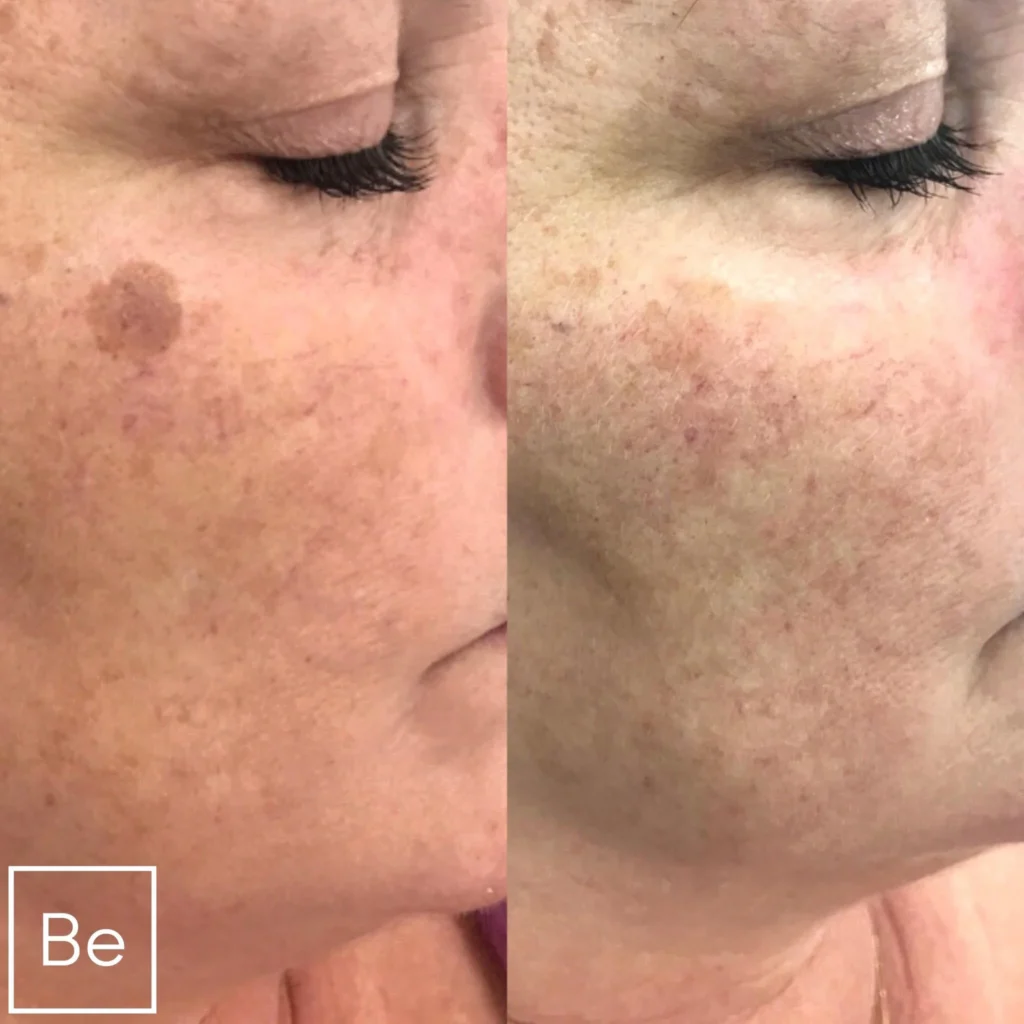
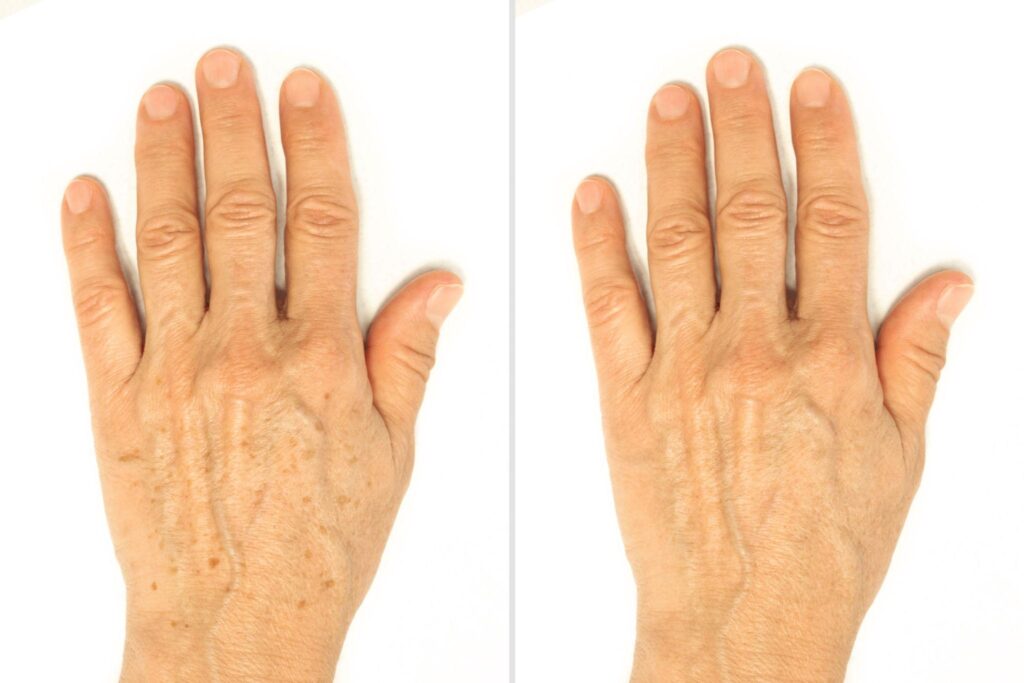
Age Spot Removal
- Topical Chemical Peel
- Cryotherapy
• Age Spot Removal
(Treatment options to fade sun-related brown spots and restore even skin tone)
What Are Age Spots?
Age spots—also called sun spots or lentigines—are flat brown, tan, or dark patches that develop after years of sun exposure. They most commonly appear on:
Face and cheeks
Hands
Arms and shoulders
Chest
Age spots are benign (non-cancerous), but any changing or unusual spot should be evaluated to rule out skin cancer.
How Are Age Spots Treated?
There are several effective options. Your dermatologist will recommend the best approach based on spot depth, color, location, and your skin type.
Common treatment options
Laser therapy – Targets pigment precisely; often fast and effective
IPL (Intense Pulsed Light) – Treats multiple spots and overall discoloration
Prescription topical treatments – Gradually lighten pigment over time
Cryotherapy (selected spots) – Freezes individual lesions
Chemical peels (selected patients) – Improve tone and texture
Often, the best results come from combining treatments with strict sun protection.
What to Expect During Treatment
Most age spot treatments are performed in the office.
During your visit:
Skin is cleansed and assessed
Protective eyewear is placed (for light/laser treatments)
Treatment energy or topical agent is applied
Cooling and soothing products are used afterward
Treatment time varies from a few minutes to 30 minutes, depending on the method and number of spots.
When Will I See Results?
With laser or IPL, spots may darken first, then flake off over 7–14 days
With topical therapy, lightening is gradual over weeks to months
Multiple sessions may be needed for optimal clearing
Results last longer with consistent sun protection.
Who Is a Good Candidate?
Age spot removal works best for:
Sun-related brown spots (lentigines)
Patients who can avoid sun exposure before and after treatment
Those seeking clearer, more even skin tone
It may not be ideal for:
Active melasma (requires a different approach)
Recently tanned or sunburned skin
Pre-Op Instructions (Before Age Spot Removal)
2–4 weeks before treatment
Avoid sun exposure and tanning (including self-tanner)
Use broad-spectrum sunscreen daily
Avoid tanning beds
1–2 weeks before
Stop retinoids, exfoliating acids, and harsh scrubs in the treatment area (unless instructed otherwise)
Tell us if you:
Have a history of melasma or PIH
Are pregnant or breastfeeding
Have active skin infection or rash
Take medications that increase sun sensitivity
Day of treatment
Arrive with clean skin (no makeup, lotions, or sunscreen on the area)
Post-Op Instructions (After Age Spot Removal)
What’s normal
Mild redness or swelling
Darkening or crusting of treated spots before fading
Mild tenderness or warmth
Aftercare
Clean gently and moisturize as directed
Do not pick or scrub treated spots
Avoid heat (hot showers, saunas, intense exercise) for 24–48 hours
Strict sun protection is essential
Makeup
Usually allowed the next day unless instructed otherwise
Call the office if
You develop blistering, increasing pain, or signs of infection
Pigment darkens significantly or spreads instead of fading
Frequently Ashked Questions
Are age spots dangerous?
No, age spots are benign. However, any spot that changes, bleeds, or looks unusual should be evaluated.
Is age spot removal permanent?
Treated spots usually do not return, but new spots can form with continued sun exposure.
Does treatment hurt?
Discomfort is usually mild and brief, described as a warm snap or tingling.
How many treatments will I need?
Some spots clear with one session; others require multiple treatments depending on depth and number.
Can age spots be treated on hands and body?
Yes—hands, arms, chest, and shoulders respond well to treatment.
Can age spots come back darker?
Rarely, darkening (PIH) can occur, especially without sun protection. Following instructions minimizes this risk.
Is age spot removal covered by insurance?
Age spot removal is typically considered cosmetic and not covered by insurance.