
 Surgical Dermatology (Non-Cancer Procedures)
 Skin Cancer & Pre-Cancer Care
 Medical Dermatology
 Pigment & Lesion Disorders
 Non-Cancer Growths
 Cosmetic Dermatology
• Scar Revision
(Options to improve the look, feel, and symptoms of scars — including raised, thick, itchy, or painful scars)
What is “scar revision”?
A scar is a normal part of healing after surgery, injury, acne, or inflammation. Scar revision refers to a personalized plan to make a scar less noticeable, flatter, smoother, or less symptomatic (itchy/tender/tight). It may include topical care, injections, laser/light treatments, microneedling, or surgical revision, depending on the scar type and location.
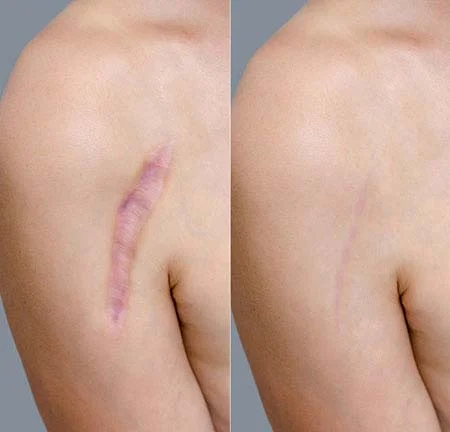
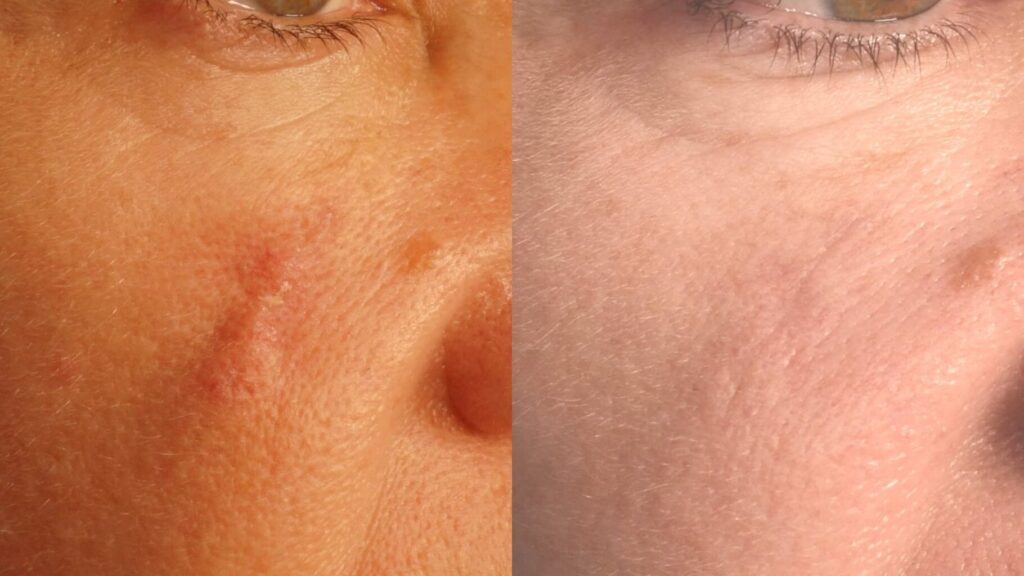
Common scar types we treat
Raised scars
Hypertrophic scars: raised and thick, but stay within the original wound edges.
Keloids: raised scars that extend beyond the original wound edges and may keep growing.
Depressed or “pitted” scars
Often from acne or prior inflammation.
Discolored scars
Red/pink scars (early healing)
Dark marks after inflammation (more common in deeper skin tones)
Tight scars
May feel “pulling” or limit movement, especially across joints.
Treatment options
Your plan depends on the scar’s type, age, color, thickness, symptoms, and your skin type.
1) At-home scar care (often step one)
Silicone gel or silicone sheets for raised scars (used only on fully healed skin).
Moisturizing + gentle massage (when appropriate).
Sun protection to reduce long-lasting discoloration and help scars blend in.
2) In-office injections (for raised, itchy, thick scars)
Intralesional corticosteroid injections can help soften and flatten raised scars and reduce itch/pain.
3) Laser/light or other procedures
Treatments may be used to reduce redness, improve texture, and blend scars more naturally (choice depends on your scar and skin type).
4) Surgical scar revision (selected cases)
For scars that are wide, poorly oriented, or function-limiting, surgical scar revision may improve how the scar blends with surrounding skin. It cannot erase a scar completely, but it can often make it less noticeable.
What to expect at your visit
Review of how the scar formed (surgery, injury, acne, burn, etc.)
Scar exam (size, thickness, color, symptoms, mobility/tightness)
Photos may be taken for medical documentation (practice-specific)
A clear plan: “what helps most” + “what to avoid” + realistic timeline
Pre-Op Instructions
(These vary by treatment—follow your provider’s instructions if they differ.)
Before injections or in-office procedures
Tell us if you take blood thinners or have a bleeding disorder.
Tell us if you have a history of keloids, poor wound healing, or pigment darkening after irritation.
Avoid sunburn/tanning in the area.
Before surgical scar revision (if planned)
Bring a medication list (including supplements).
Arrange your schedule for reduced activity if the scar is on the back/shoulder/chest/joints.
Ask us about timing if you recently used acne meds, topical retinoids, or had other procedures near the site.
Post-Op Instructions
After injections
Mild soreness or swelling for 24–48 hours can be normal.
Avoid vigorous rubbing/massage over the site for a day or two (unless instructed otherwise).
Call us if you notice increasing pain, warmth, spreading redness, or drainage.
After laser/procedure-based scar treatments
Expect temporary redness and mild swelling.
Use gentle cleanser + bland moisturizer until healed.
Strict sun protection is important during healing.
After surgical scar revision
Keep the incision clean and follow bandage instructions.
Avoid stretching/heavy lifting that pulls on stitches.
Watch for infection signs: worsening redness, warmth, pus, fever, or bleeding that won’t stop with pressure.
Long-term results take time—scars remodel over months, not days.
Frequently Asked Questions
Can you remove a scar completely?
No—scars are permanent. The goal is to make the scar flatter, softer, less noticeable, and/or less symptomatic.
How do I know what type of scar I have?
Raised scars that stay within the wound are often hypertrophic; scars that grow beyond the wound edges are more consistent with keloids. Our dermatologist can confirm on exam.
Do silicone sheets really work?
They are commonly used for hypertrophic scars and keloids and should be applied only to fully healed skin (not open wounds).
Do steroid injections help raised scars?
Yes—dermatologists use intralesional steroid injections to help flatten raised scars and reduce symptoms like itch and pain.
How many treatments will I need?
It depends on the scar. Raised scars often require a series of treatments. Some scars improve with a single approach; others need combination therapy.
When should I start scar treatment?
Many scar therapies begin after the skin has healed (closed, no scab/drainage). Early guidance is helpful—especially if you have a history of keloids.
What can make scars worse?
Common triggers include sun exposure, picking/scratching, tension across the scar, and irritation from harsh products during healing.
When should I get a scar checked?
If a scar becomes rapidly thicker, very painful, ulcerates/bleeds, or starts growing beyond the original injury, it’s worth an evaluation.