Surgical Dermatology (Non-Cancer Procedures)
• Lipoma (Fatty Lump) Removal
(Removal of a common benign fatty lump under the skin)
What Is a Lipoma?
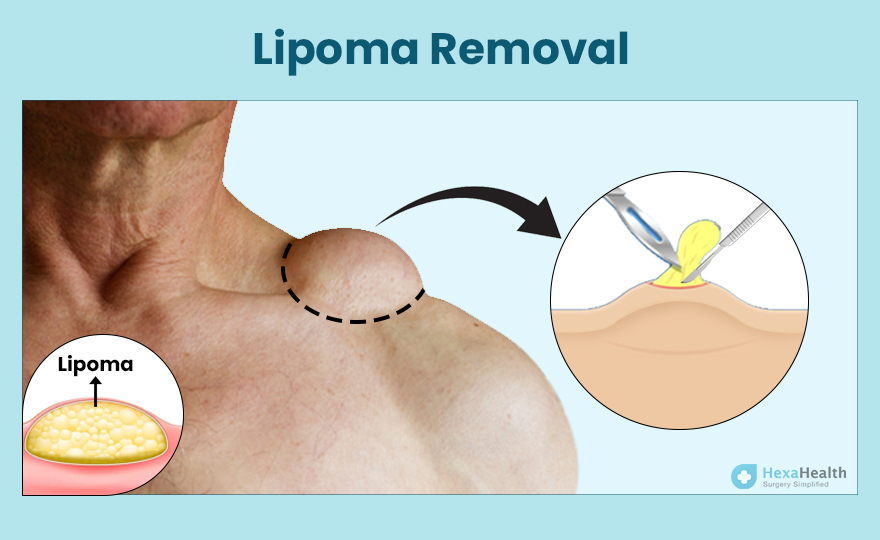
A lipoma is a benign (non-cancerous) growth of fatty tissue that forms a soft, rubbery lump under the skin. Lipomas are common and usually grow slowly.
Lipomas most often appear on:
- Arms and shoulders
- Back
- Chest
- Thighs
- Neck
They’re typically:
- Soft and movable under the skin
- Painless (though they can become tender if they press on a nerve or are in an irritated area)
Why Do People Choose Lipoma Removal?
Lipoma removal may be recommended or requested if a lipoma:
Is growing
Becomes painful or tender
Feels firm, fixed, or irregular (needs evaluation)
Limits movement or rubs on clothing
Causes cosmetic concerns
Needs confirmation of diagnosis
How We Confirm It’s a Lipoma
Most lipomas can be diagnosed with a clinical exam.
Sometimes, if a lump is:
Deep
Large
Rapidly growing
Firm or fixed
your clinician may recommend imaging (such as ultrasound) or referral before removal.
What Does Lipoma Removal Involve?
Lipoma removal is typically an in-office procedure using local numbing medicine.
In general:
The area is cleaned and numbed
A small incision is made
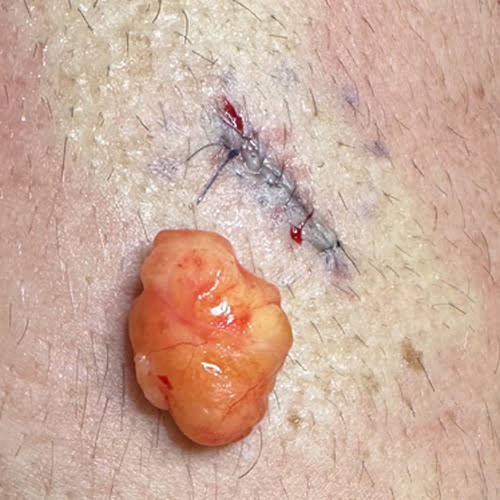
The lipoma is removed
The incision is closed with stitches
A bandage is applied
The goal is complete removal while minimizing scarring.
Pre-Op Instructions (Before Lipoma Removal)
1–2 weeks before
-
Tell us if you take:
-
Blood thinners (warfarin, Eliquis, Xarelto, Plavix, etc.)
-
Aspirin or NSAIDs (ibuprofen, naproxen)
Do not stop prescription blood thinners unless your prescribing clinician instructs you.
-
-
Tell us if you have:
-
A bleeding disorder
-
Diabetes or immune suppression (may affect healing)
-
Allergies to adhesives, antiseptics, or numbing medicine
-
A history of keloids or poor wound healing
-
One week before
- Stop drinking alcohol (due to blood thinning effect of alcohol)
- stop smoking
- stop fish oil supplement
- avoid optional aspirin and NSAIDS: Ibuprofen (Advil®, Motrin®), Naproxen (Aleve®), Aspirin (Bayer®), etc…
Day of procedure
-
Eat normally (no fasting needed)
-
Shower and arrive with clean skin
-
Wear loose, comfortable clothing
-
Avoid applying lotions or oils over the area
Post-Op Instructions (After Lipoma Removal)
What’s normal
Mild soreness and swelling
Bruising around the incision
A feeling of tightness with movement
Minor drainage or spotting on the bandage (first day)
Wound care (general)
Follow your clinician’s instructions, but typically:
Keep the bandage on and dry for 24 hours
After 24 hours:
Clean gently with soap and water
Pat dry
Apply ointment if instructed
Cover with a clean bandage
Avoid soaking (pools/hot tubs/baths) until cleared
Activity
Avoid heavy lifting, stretching, or high-impact exercise that pulls on the incision for several days (longer for larger lipomas)
If the lipoma was on the back/shoulder, limit movements that strain that area until stitches are removed
Stitches
Some stitches dissolve; others need removal in clinic
We will tell you when to return (timing depends on location)
Call the office if you notice
Increasing redness, warmth, swelling, or worsening pain
Pus-like drainage, bad odor, or fever
Bleeding that doesn’t stop after 10–15 minutes of firm pressure
The incision opens
Scar Care (After the Skin Has Fully Closed)
Protect the scar from sun (helps prevent darkening)
Silicone gel or silicone sheets may be recommended
Avoid picking scabs or rubbing the area during healing
Frequently Asked Questions
Is a lipoma cancer?
No—lipomas are benign. However, any lump that is rapidly growing, firm, fixed, or painful should be evaluated to confirm the diagnosis.
Will the lipoma come back after removal?
Most do not come back if fully removed. Rarely, a lipoma can recur, or a new one may form elsewhere.
Does lipoma removal hurt?
You may feel a brief pinch/burn from the numbing injection. After that, most people feel pressure but not sharp pain.
Will there be a scar?
Yes. Any incision leaves a scar, but we aim to keep it as small and well-placed as possible.
Do you send the tissue to the lab?
Often, yes—especially for larger or deeper lumps or when confirmation is recommended.
How long does the procedure take?
Many lipoma removals take 30–60 minutes, depending on size and depth.
When can I shower or exercise again?
Showering is often allowed after 24 hours, but exercise restrictions depend on location and size. We’ll provide personalized guidance.

Skin Cancer & Pre-Cancer Care
Medical Dermatology
Pigment & Lesion Disorders
Non-Cancer Growths
Cosmetic Dermatology