Cosmetic Dermatology
C. Laser & Energy Devices
Skin Cancer & Pre-Cancer Care
Medical Dermatology
(Chronic & Inflammatory Skin Diseases)
Pigment & Lesion Disorders
Non-Cancer Growth
Surgical Dermatology (Non-Cancer Procedures)
Cosmetic Dermatology
A. Anti-wrinkle Injections
B. Dermal Fillers
- RHA Redensity — Fine Lines & Skin Refinement
- RHA 2 — Moderate Wrinkles & Smile Lines
- RHA 3 — Deeper Wrinkles & Lip Enhancement
- RHA 4 — Deep Folds, Volume & Facial Contouring
C. Laser & Energy Devices
- Intense Pulsed Light (IPL)
Fractional Laser
- CO₂ Laser
- Vascular Laser
- Laser Hair Removal
- Skin Tightening
- Pulsed Dye Laser (PDL)
- Narrow Band UVB and Excimer Laser
D. Cosmetic Pigment Correction
• Fractional Laser Resurfacing
(Advanced laser treatment to improve skin texture, tone, and scars)
What Is Fractional Laser?
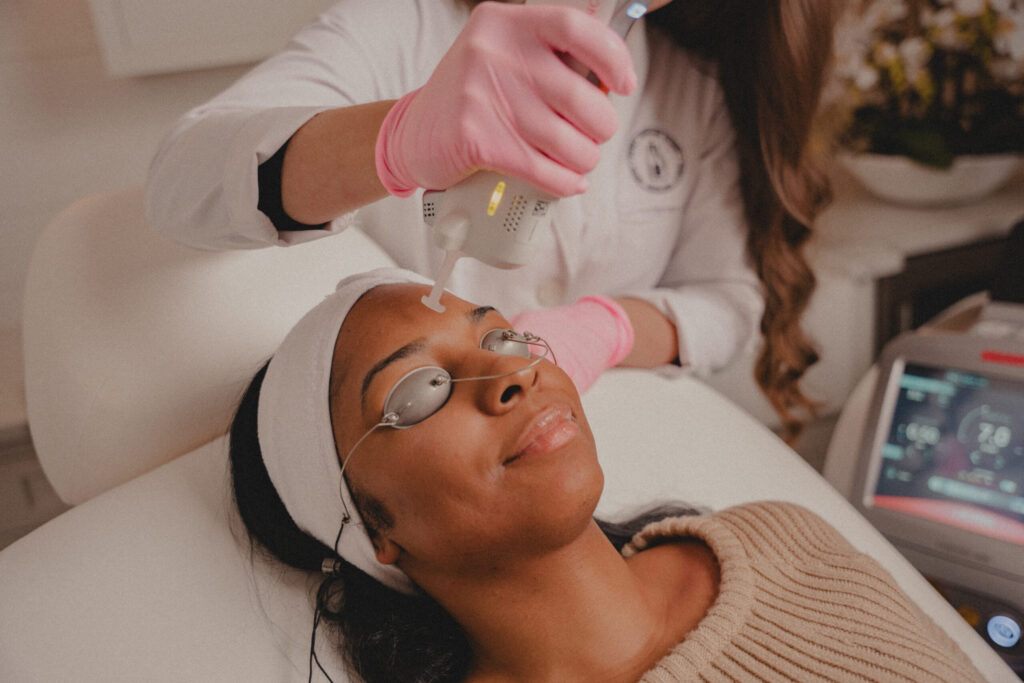
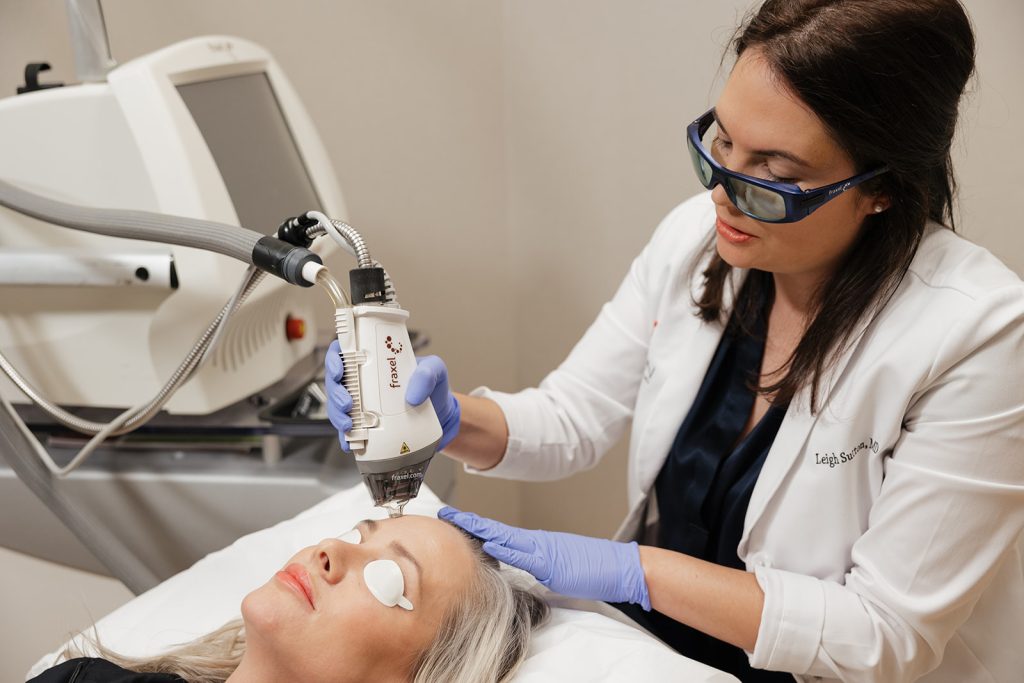
Fractional laser is a skin-resurfacing treatment that uses laser energy to create thousands of microscopic treatment zones in the skin, while leaving surrounding skin intact. This “fractional” approach helps the skin heal faster while stimulating collagen renewal.
Fractional lasers are used to improve:
-
Acne scars and surgical scars
-
Fine lines and wrinkles
-
Uneven skin texture
-
Sun damage and discoloration
-
Enlarged pores
-
Overall skin quality and firmness
Your dermatologist will select the type and intensity of fractional laser based on your skin type, concerns, and downtime preference.
How Fractional Laser Works (Simple Explanation)
-
The laser creates tiny, controlled columns of heat in the skin
-
This triggers the body’s natural healing response
-
New collagen forms over time
-
Skin gradually looks smoother, firmer, and more even
Because untreated skin remains between treated areas, healing is more efficient than with traditional full-field resurfacing.
What to Expect During Treatment
Fractional laser treatments are performed in the office.
During your visit:
-
Skin is cleansed and prepped
-
Topical numbing cream is applied (when appropriate)
-
Laser passes are delivered to the treatment area
-
Cooling and soothing products are applied afterward
Treatment time varies by area but often takes 30–60 minutes.
When Will I See Results?
-
Initial improvement may be seen once healing is complete
-
Collagen remodeling continues for weeks to months
-
Results improve gradually and look natural
Some patients benefit from a series of treatments, while others achieve goals with a single session depending on laser type and intensity.
Who Is a Good Candidate?
Fractional laser may be a good option if you:
-
Want improvement in texture, scars, or fine lines
-
Can avoid sun exposure during healing
-
Understand that results are gradual and improve over time
It may not be ideal if you:
-
Have active infection or inflammation in the area
-
Are prone to significant pigment changes without careful planning
-
Cannot avoid sun exposure during recovery
Your dermatologist will determine if fractional laser is safe and appropriate for your skin type.
Pre-Op Instructions (Before Fractional Laser)
2–4 weeks before treatment
-
Avoid sun exposure and tanning (including self-tanner)
-
Use broad-spectrum sunscreen daily
-
Avoid tanning beds
1–2 weeks before
-
Stop retinoids, exfoliating acids, and harsh scrubs in the treatment area (unless instructed otherwise)
-
Tell us if you:
-
Have a history of cold sores (preventive medication may be recommended)
-
Have a history of dark marks after irritation (PIH)
-
Are pregnant or breastfeeding
-
Have active skin infection, rash, or open wounds
-
Day of treatment
-
Arrive with clean skin (no makeup, lotion, or sunscreen on the area)
-
Avoid waxing or threading the area before treatment
Post-Op Instructions (After Fractional Laser)
What’s normal
-
Redness and warmth (similar to a sunburn)
-
Swelling (especially around the eyes)
-
Dryness, flaking, or bronzing as skin heals
-
Mild discomfort or tightness
Healing time depends on laser intensity and may range from a few days to about 1–2 weeks.
Aftercare
-
Use only gentle cleanser and bland moisturizer as directed
-
Avoid picking, scrubbing, or exfoliating
-
Avoid hot showers, saunas, and intense exercise for 24–48 hours
-
Strict sun protection is critical during healing
-
Do not use active skincare (retinoids, acids) until cleared by your provider
Makeup
-
May be applied once the skin surface has healed (timing varies)
Call the office if
-
You develop blistering, pus, increasing pain, or fever
-
You notice worsening pigmentation instead of gradual improvement
-
Redness or swelling is severe or worsening after the expected healing window
Frequently Ashked Questions
Is fractional laser painful?
Topical numbing significantly improves comfort. Patients describe warmth or pressure during treatment.
How much downtime is there?
Downtime varies. Some treatments have minimal downtime, while others require several days to a week of recovery.
How many treatments will I need?
This depends on your goals. Some patients need 1 session, others benefit from a series spaced weeks apart.
Can fractional laser treat acne scars?
Yes—fractional laser is commonly used to soften acne scars and improve skin texture over time.
Will fractional laser help wrinkles?
It can improve fine lines and skin firmness by stimulating collagen. Deeper wrinkles may require combination treatments.
Can it cause dark marks?
In some skin types, post-inflammatory hyperpigmentation (PIH) can occur. Careful laser selection, proper aftercare, and sun protection reduce this risk.
Can fractional laser be combined with other treatments?
Often yes. It’s commonly combined with:
-
-
Medical-grade skincare
-
Neuromodulators (Botox® / Daxxify®)
-
Dermal fillers (timing is important)
-