Accessibility Tools

Number 6 Cosmetic Dermatology

D. Cosmetic Pigment Correction

• Cryotherapy

(Freezing treatment to safely remove or treat skin lesions)

What Is Cryotherapy?

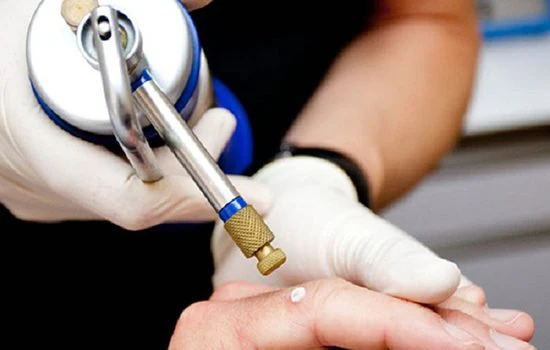
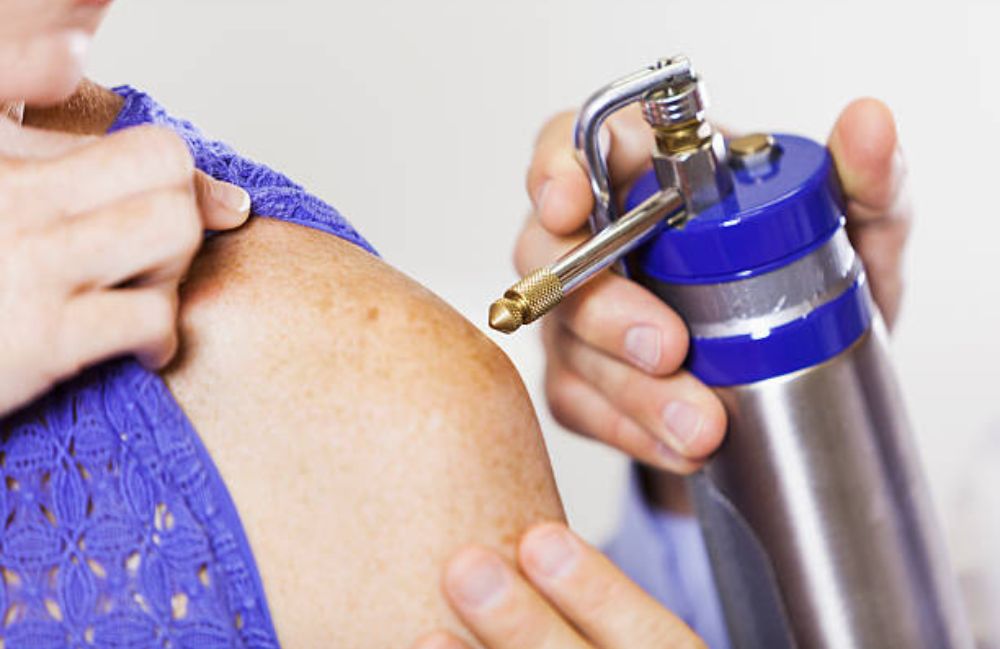
Cryotherapy is a common dermatologic treatment that uses liquid nitrogen to freeze and destroy abnormal or unwanted skin tissue. The extreme cold causes the targeted cells to break down, allowing healthy skin to replace them during healing.

Cryotherapy is quick, effective, and usually performed during a regular office visit.

What Conditions Are Treated with Cryotherapy?

Cryotherapy is commonly used to treat:

  • Actinic keratoses (pre-cancerous sun spots)

  • Warts

  • Seborrheic keratoses (benign growths)

  • Skin tags (selected cases)

  • Molluscum contagiosum

  • Benign lesions causing irritation or symptoms

Your dermatologist will confirm the diagnosis before treatment and discuss whether cryotherapy is the best option.

How Cryotherapy Works (Simple Explanation)

  • Liquid nitrogen rapidly freezes the targeted lesion

  • Abnormal cells are damaged by the cold

  • A blister or scab may form

  • The treated area heals as the lesion falls off

Surrounding skin is preserved as much as possible.

What to Expect During Cryotherapy

Cryotherapy usually takes a few seconds per lesion.

During the visit:

  1. The lesion is examined

  2. Liquid nitrogen is applied using a spray or cotton-tipped applicator

  3. You may feel intense cold, stinging, or burning briefly

  4. Treatment ends quickly

Most patients tolerate cryotherapy well.

When Will I See Results?

  • Treated areas may blister within hours to days

  • Scabs typically fall off in 1–3 weeks

  • Healing time depends on location and lesion size

Some lesions may require repeat treatments.

Who Is a Good Candidate for Cryotherapy?

Cryotherapy is appropriate for many patients, but may not be ideal if you:

  • Have very poor circulation

  • Have certain nerve or healing disorders

  • Are prone to severe scarring or pigment changes

Your dermatologist will help decide if cryotherapy is right for you.

Pre-Op Instructions (Before Cryotherapy)

Before your visit
  • No special preparation is usually required

  • Eat normally and take medications as prescribed

  • Tell us if you:

    • Have circulation problems

    • Heal poorly or have diabetes

    • Are on blood thinners

    • Have a history of significant scarring or pigment changes

Day of treatment
  • Arrive with clean skin

  • Avoid applying lotions or makeup over the lesion

Post-Op Instructions (After Cryotherapy)

What’s normal
  • Redness, swelling, or tenderness

  • Blistering (clear or blood-filled)

  • Scabbing or crusting

  • Temporary skin color changes (lighter or darker)

Aftercare
  • Keep the area clean and dry

  • You may gently wash with soap and water

  • Do not pop blisters

  • Apply petroleum jelly if the area becomes crusted

  • Cover with a bandage if irritated or rubbing on clothing

Healing
  • Most areas heal within 1–3 weeks

  • Pigment changes may take longer to fade

Call the office if
  • You have increasing pain, redness, warmth, or pus

  • Fever or signs of infection develop

  • The area does not heal as expected

Frequently Ashked Questions

Does cryotherapy hurt?

You may feel brief stinging or burning during treatment. The discomfort usually fades quickly.

Scarring is uncommon, but skin color changes (lighter or darker areas) can occur, especially in darker skin tones.

Some lesions may recur and require repeat treatment, especially warts or actinic keratoses.

Leave it intact if possible. If it breaks, clean gently and apply petroleum jelly.

Most areas heal in 1–3 weeks, depending on the site and lesion size.

Coverage depends on the diagnosis. Many medical indications (like actinic keratoses or warts) are typically covered, while cosmetic treatments may not be.