Cosmetic Dermatology
D. Cosmetic Pigment Correction
Skin Cancer & Pre-Cancer Care
Medical Dermatology
(Chronic & Inflammatory Skin Diseases)
Pigment & Lesion Disorders
Non-Cancer Growth
Surgical Dermatology (Non-Cancer Procedures)
Cosmetic Dermatology
A. Anti-wrinkle Injections
B. Dermal Fillers
- RHA Redensity — Fine Lines & Skin Refinement
- RHA 2 — Moderate Wrinkles & Smile Lines
- RHA 3 — Deeper Wrinkles & Lip Enhancement
- RHA 4 — Deep Folds, Volume & Facial Contouring
C. Laser & Energy Devices
- Intense Pulsed Light (IPL)
- Fractional Laser
- CO₂ Laser
- Vascular Laser
- Laser Hair Removal
- Skin Tightening
- Pulsed Dye Laser (PDL)
- Narrow Band UVB and Excimer Laser
D. Cosmetic Pigment Correction
- Laser Melasma Treatment
- Age Spot Removal
Topical Chemical Peel
- Cryotherapy
• Topical Chemical Peel
(A controlled exfoliation to improve skin tone, texture, and clarity)
What Is a Topical Chemical Peel?
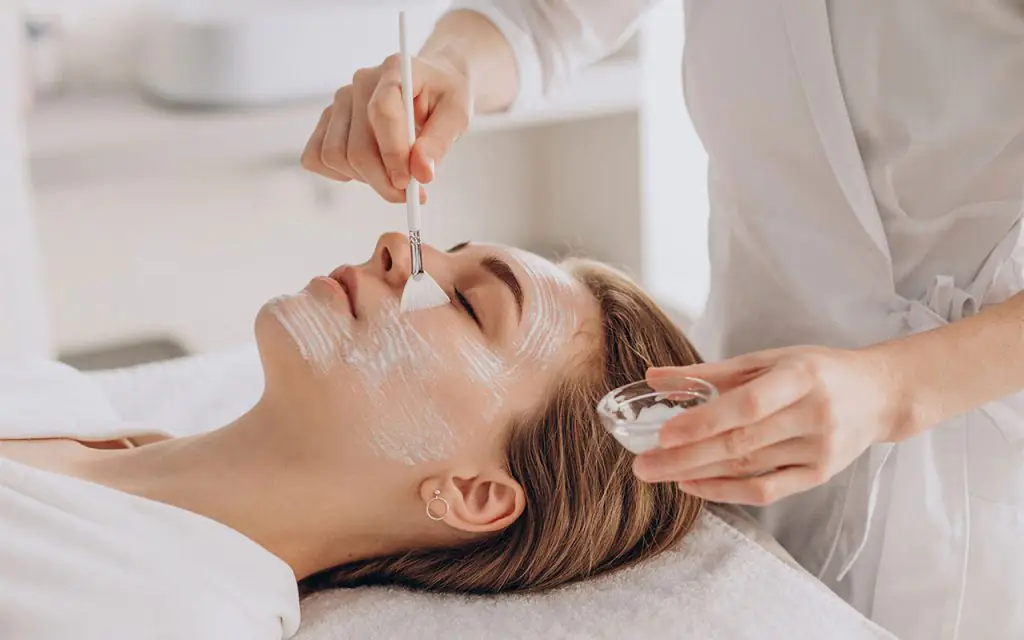
A topical chemical peel is a skin treatment in which a carefully selected chemical solution is applied to the skin to exfoliate damaged outer layers. This process stimulates skin renewal, revealing smoother, brighter, and more even-toned skin.
Chemical peels are commonly used to treat:
Sun damage and dull skin
Uneven skin tone and texture
Fine lines
Acne and acne-related discoloration
Mild pigmentation concerns
Peels can be light (superficial) or medium-depth, depending on your skin type and goals.
How Chemical Peels Work
(Simple Explanation)
-
The peel solution loosens bonds between dead skin cells
-
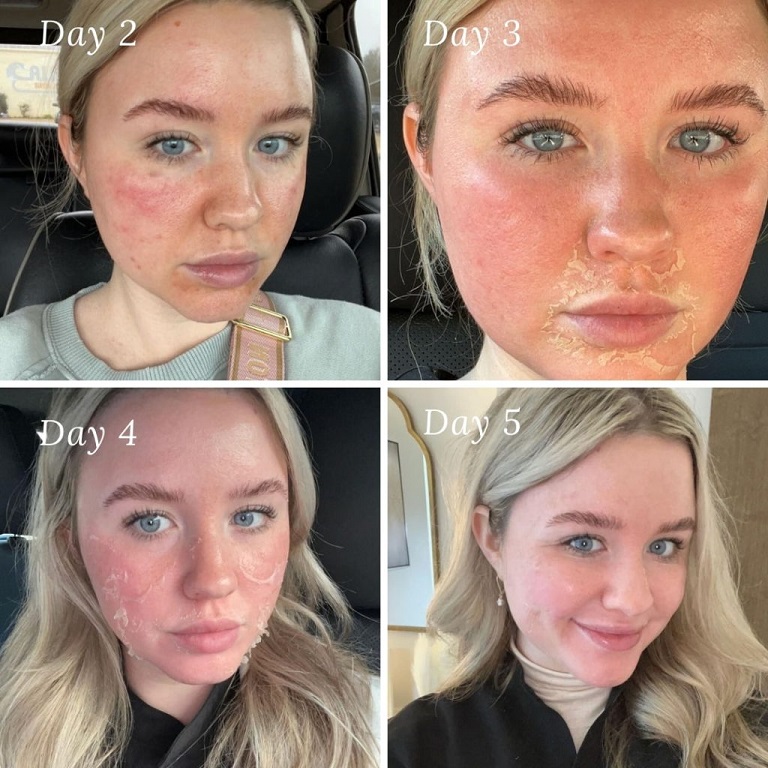
Damaged outer layers shed over several days
-
New, healthier skin emerges
-
Collagen stimulation may improve skin texture over time
Your dermatologist selects the type and strength of peel based on your skin’s needs.
What to Expect During Treatment
Topical chemical peels are performed in the office and usually take 15–30 minutes.
During the visit:
Skin is cleansed and prepped
The peel solution is applied in a controlled manner
You may feel warmth or tingling for several minutes
The peel is neutralized or removed (depending on type)
Soothing products and sunscreen are applied
Most patients tolerate peels well without anesthesia.
When Will I See Results?
Skin may look brighter within days
Peeling or flaking typically occurs over 3–7 days
Texture and tone continue to improve over 1–2 weeks
Many patients benefit from a series of peels spaced weeks apart.
Who Is a Good Candidate for a Chemical Peel?
Chemical peels may be a good option if you:
Want brighter, smoother skin
Have mild to moderate sun damage or discoloration
Can follow aftercare and sun protection instructions
They may not be ideal if you:
Have active skin infections or inflammation
Are unable to avoid sun exposure during healing
Have a history of severe reactions to peels
Your dermatologist will help determine if a peel is safe and appropriate for you.
Pre-Op Instructions (Before a Chemical Peel)
1–2 weeks before
Avoid excessive sun exposure and tanning
Use broad-spectrum sunscreen daily
Stop retinoids, exfoliating acids, scrubs, and harsh skincare (unless instructed otherwise)
Tell us if you:
Have a history of melasma or PIH
Are pregnant or breastfeeding
Have a history of cold sores (some peels may trigger outbreaks)
Have active rashes, infections, or open wounds
Day of treatment
Arrive with clean skin (no makeup, lotion, or sunscreen on the area)
Avoid waxing or threading the area beforehand
Post-Op Instructions (After a Chemical Peel)
What’s normal
Redness similar to a mild sunburn
Tightness or dryness
Flaking or peeling over several days
Mild sensitivity
Aftercare
Cleanse gently with a mild cleanser
Apply moisturizer as directed
Do not pick or peel flaking skin
Avoid heat, saunas, and strenuous exercise for 24–48 hours
Avoid exfoliants and retinoids until cleared by your provider
Strict sun protection is essential during healing
Makeup
Often allowed after 24–48 hours, depending on peel depth
Call the office if
You develop blistering, significant pain, or spreading redness
Pigmentation darkens instead of improving
Signs of infection occur (pus, fever, increasing swelling)
Frequently Ashked Questions
Does a chemical peel hurt?
Most patients feel tingling or warmth that lasts a few minutes. Discomfort is usually mild and temporary.
How much downtime is there?
Light peels have minimal downtime. Medium-depth peels may involve several days of peeling and redness.
How many treatments will I need?
Many patients benefit from a series of peels for best results, especially for pigmentation or acne.
Will my skin peel a lot?
Peeling varies by peel strength. Some patients experience light flaking, while others have more visible peeling.
Can chemical peels cause dark spots?
Post-inflammatory hyperpigmentation (PIH) can occur, especially without sun protection. Following instructions reduces risk.
Can peels be combined with other treatments?
Yes. Chemical peels are often combined with:
Medical-grade skincare
Laser or light treatments (timing matters)
Neuromodulators and fillers
Are chemical peels covered by insurance?
Chemical peels are typically considered cosmetic and are not covered by insurance.