Accessibility Tools

Number 6 Cosmetic Dermatology

D. Cosmetic Pigment Correction

• Laser Melasma Treatment

(Advanced options to help lighten melasma safely and gradually)

What Is Melasma?

Melasma is a chronic pigment condition that causes brown or gray-brown patches, most commonly on the cheeks, forehead, upper lip, and chin. It is often triggered or worsened by:

  • Sun and heat exposure

  • Hormonal changes (pregnancy, birth control)

  • Genetics

  • Certain medications or skincare irritation

Melasma is not dangerous, but it can be persistent and emotionally frustrating.

Can Melasma Be Treated With Lasers?

Yes — but carefully.

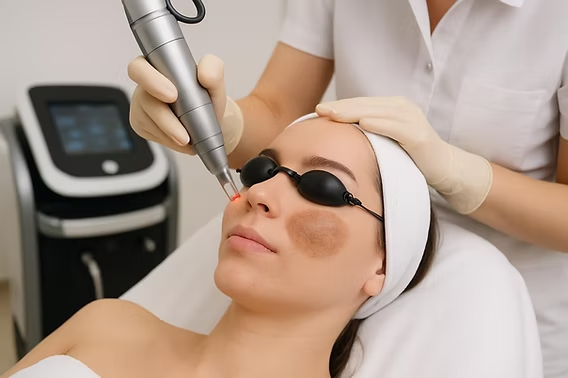
Laser melasma treatment uses specialized laser or light-based devices to help break up excess pigment and improve skin tone. However, melasma behaves differently from other dark spots, so treatment must be conservative, customized, and combined with strict skincare and sun protection.

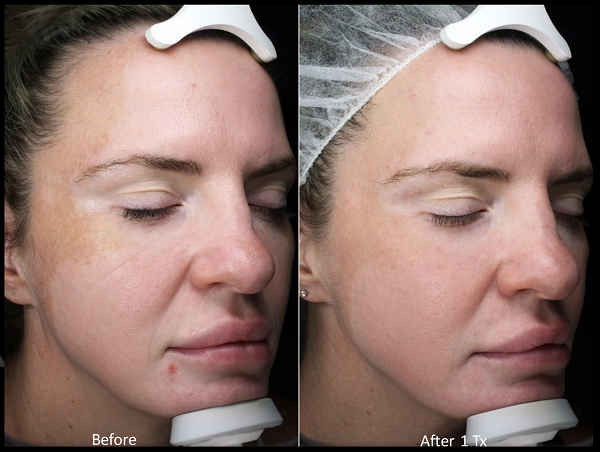
Laser treatment is not a cure, but it can:

  • Lighten melasma patches

  • Improve overall tone and brightness

  • Help resistant melasma respond when topical therapy alone is not enough

Why Melasma Requires a Specialized Approach

Unlike sun spots, melasma:

  • Is influenced by deep pigment and heat

  • Can worsen with aggressive laser settings

  • Often needs combination therapy, not just one treatment

That’s why we:

  • Start conservatively

  • Choose pigment-safe laser settings

  • Combine laser with topical therapy and sun protection

  • Space treatments appropriately

What Types of Laser Treatments May Be Used

Depending on your skin type and melasma pattern, treatment may include:

  • Low-energy pigment lasers

  • Fractional non-ablative lasers

  • Laser toning approaches

  • Sometimes IPL, in carefully selected patients

Your dermatologist will choose the safest option for your skin.

What to Expect During Laser Melasma Treatment

Laser treatments are done in the office and typically take 20–30 minutes.

During treatment:

  1. Skin is cleansed

  2. Protective eyewear is placed

  3. Laser energy is delivered gently and evenly

  4. Cooling and soothing products are applied

Most patients describe a warm snapping or tingling sensation.

When Will I See Results?

  • Melasma often improves gradually

  • Subtle lightening may be seen after a few sessions

  • Best results occur with multiple treatments over time

  • Maintenance therapy is often needed

Patience and consistency are key.

Who Is a Good Candidate?

Laser melasma treatment may be appropriate if:

  • Melasma persists despite topical therapy

  • You can commit to strict sun protection

  • You understand that melasma is chronic and relapsing

Laser treatment may not be ideal if:

  • You cannot avoid sun or heat exposure

  • You expect permanent cure after one session

  • You have active inflammation or infection

Pre-Op Instructions (Before Laser Melasma Treatment)

4 weeks before treatment
  • Avoid sun exposure and tanning (including self-tanner)

  • Use broad-spectrum sunscreen daily

  • Wear hats and seek shade

1–2 weeks before
  • Stop retinoids, exfoliating acids, scrubs, and harsh products

  • Tell us if you:

    • Are pregnant or breastfeeding

    • Have a history of post-inflammatory hyperpigmentation (PIH)

    • Are prone to darkening after irritation

    • Have active rashes or skin infections

Day of treatment
  • Arrive with clean skin (no makeup or skincare on treatment area)

  • Avoid waxing or threading beforehand

Post-Op Instructions (After Laser Melasma Treatment)

What’s normal
  • Mild redness or warmth for a few hours to 1–2 days

  • Temporary darkening of pigment before lightening

  • Mild swelling or sensitivity

Aftercare
  • Use gentle cleanser and bland moisturizer

  • Strict sun and heat avoidance is critical

  • Avoid hot yoga, saunas, and intense workouts for 48 hours

  • Avoid picking or scrubbing the skin

  • Resume prescribed topical melasma treatments as directed

Sun protection

This is the most important step:

  • Broad-spectrum SPF 30–50 daily

  • Reapply every 2 hours outdoors

  • Hats and physical sun protection are strongly encouraged

Call the office if
  • Pigmentation darkens significantly or spreads

  • You develop blistering, crusting, or severe irritation

  • You notice signs of infection (pus, fever, increasing pain)

Frequently Ashked Questions

Is laser treatment safe for melasma?

Yes — when done carefully and conservatively. Aggressive laser settings can worsen melasma, which is why treatment must be individualized.

Many patients need a series of treatments, often spaced several weeks apart, with ongoing maintenance.

Melasma can recur, especially with sun or hormonal triggers. Maintenance therapy and sun protection help keep it under control.

They work best together. Lasers are often used when topical therapy alone isn’t enough.

It can if done improperly or without sun protection. Our approach focuses on minimizing this risk.

Laser treatment for melasma is typically considered cosmetic and not covered by insurance.