Cosmetic Dermatology
C. Laser & Energy Devices
Skin Cancer & Pre-Cancer Care
Medical Dermatology
(Chronic & Inflammatory Skin Diseases)
Pigment & Lesion Disorders
Non-Cancer Growth
Surgical Dermatology (Non-Cancer Procedures)
Cosmetic Dermatology
A. Anti-wrinkle Injections
B. Dermal Fillers
- RHA Redensity — Fine Lines & Skin Refinement
- RHA 2 — Moderate Wrinkles & Smile Lines
- RHA 3 — Deeper Wrinkles & Lip Enhancement
- RHA 4 — Deep Folds, Volume & Facial Contouring
C. Laser & Energy Devices
- Intense Pulsed Light (IPL)
- Fractional Laser
- CO₂ Laser
- Vascular Laser
- Laser Hair Removal
Skin Tightening
- Pulsed Dye Laser (PDL)
- Narrow Band UVB and Excimer Laser
D. Cosmetic Pigment Correction
• Skin Tightening
(Non-surgical treatments to firm and smooth skin by stimulating collagen)
What Is Skin Tightening?
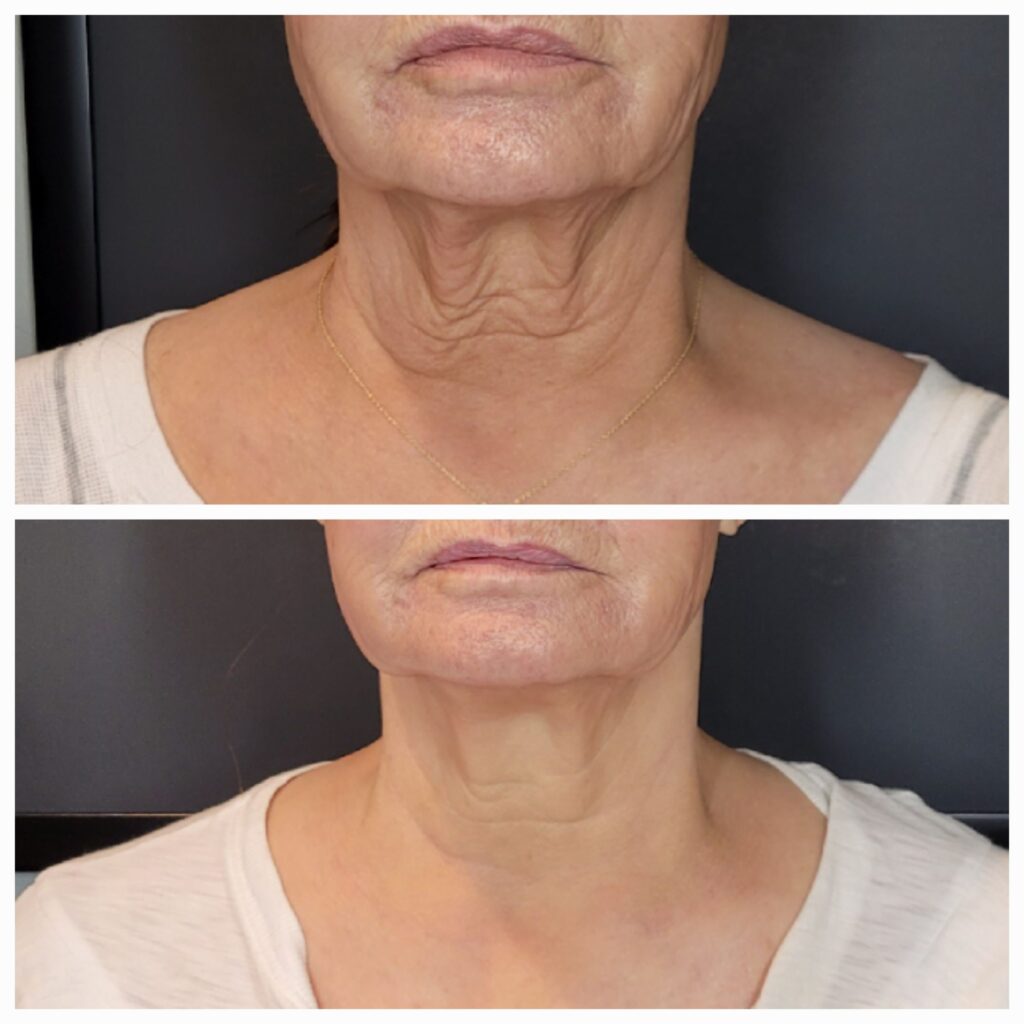
Skin tightening refers to non-surgical treatments designed to help skin look firmer, smoother, and more lifted by stimulating your body’s natural collagen and elastin.
These treatments can be helpful for:
Mild to moderate skin laxity (looseness)
Crepey texture
Early jowls or jawline softness
Neck laxity
Fine lines related to thinning skin
Skin tightening does not replace surgery for significant laxity, but it can offer meaningful improvement with little to no downtime.
How Non-Surgical Skin Tightening Works
Most tightening treatments use controlled energy to gently heat deeper layers of skin, triggering collagen remodeling.
Common technologies include:
Radiofrequency (RF)
Ultrasound energy
RF microneedling (for texture + tightening)
Other energy-based platforms depending on your office’s devices
Your dermatologist will recommend the best option based on your skin type, goals, and desired downtime.
What Areas Can Be Treated?
Common areas include:
Face (cheeks, jawline)
Neck
Under-chin area
Around the eyes (selected devices)
Abdomen
Arms
Knees and thighs
What to Expect During Treatment
Most treatments are performed in the office and typically take 30–60 minutes.
During your visit:
Skin is cleansed
A topical numbing cream may be applied (depends on the device)
Treatment energy is delivered in a controlled pattern
Cooling and soothing products are applied afterward
You may feel warmth, pressure, or brief discomfort, but most patients tolerate treatment well.
When Will I See Results?
Skin tightening results are gradual because collagen takes time to rebuild.
Typical timeline:
Some patients notice subtle firmness within a few weeks
Best results often appear at 2–3 months
Collagen remodeling may continue for up to 6 months
Many patients benefit from a series of treatments and periodic maintenance.
Who Is a Good Candidate?
Skin tightening is best for:
Mild to moderate laxity
People who want gradual improvement without surgery
Patients who can commit to a series and maintenance when needed
Not ideal for:
Significant loose skin (may require surgical options)
Patients expecting immediate dramatic lifting
Pre-Op Instructions (Before Skin Tightening)
1–2 weeks before
Avoid sunburn and tanning
Use broad-spectrum sunscreen daily
Stop irritating skincare (retinoids, acids, scrubs) in the area 3–5 days before, unless instructed otherwise
Tell us before treatment if you:
Are pregnant or breastfeeding
Have a pacemaker or implanted medical device (important for certain RF treatments)
Have a history of cold sores (if treating around lips—rarely relevant depending on device)
Have active rash, infection, or open wounds in the area
Day of treatment
Arrive with clean skin (no heavy makeup, lotions, or oils on the area)
Plan to avoid intense heat/exercise afterward
Post-Op Instructions (After Skin Tightening)
What’s normal
Mild redness or warmth for a few hours
Slight swelling or tenderness
Temporary sensitivity
Most patients return to normal activities the same day.
Aftercare
Use gentle cleanser and moisturizer
Avoid hot showers, saunas, and strenuous exercise for 24 hours
Avoid aggressive exfoliation for several days
Sun protection is important
Call the office if
You develop blistering, worsening pain, or unusual swelling
You notice signs of infection (spreading redness, pus, fever)
Frequently Ashked Questions
Is skin tightening the same as a facelift?
No. Skin tightening is non-surgical and provides gradual firming. A facelift provides more dramatic correction for significant laxity.
Does skin tightening hurt?
Most people feel warmth and pressure. Some devices are more intense than others, and numbing may be used depending on the treatment.
How many treatments will I need?
It depends on the device and your goals. Many people benefit from 3–6 sessions, while others may need fewer with periodic maintenance.
How long do results last?
Results vary, but many patients maintain improvement for 6–18 months, especially with good skincare and sun protection. Maintenance treatments may be recommended.
Can skin tightening be combined with Botox, fillers, or lasers?
Yes. Many patients combine tightening treatments with:
Botox/Daxxify
Dermal fillers (RHA)
IPL or fractional laser
Medical-grade skincare
Timing matters, and we’ll build a safe plan.
Is skin tightening safe for all skin tones?
Many RF and ultrasound-based tightening treatments are safe across a wide range of skin tones. Your provider will select the safest option for you.
Is skin tightening covered by insurance?
Skin tightening is typically considered cosmetic and is not covered by insurance.