Cosmetic Dermatology
C. Laser & Energy Devices
Skin Cancer & Pre-Cancer Care
Medical Dermatology
(Chronic & Inflammatory Skin Diseases)
Pigment & Lesion Disorders
Non-Cancer Growth
Surgical Dermatology (Non-Cancer Procedures)
Cosmetic Dermatology
A. Anti-wrinkle Injections
B. Dermal Fillers
- RHA Redensity — Fine Lines & Skin Refinement
- RHA 2 — Moderate Wrinkles & Smile Lines
- RHA 3 — Deeper Wrinkles & Lip Enhancement
- RHA 4 — Deep Folds, Volume & Facial Contouring
C. Laser & Energy Devices
- Intense Pulsed Light (IPL)
- Fractional Laser
- CO₂ Laser
- Vascular Laser
Laser Hair Removal
- Skin Tightening
- Pulsed Dye Laser (PDL)
- Narrow Band UVB and Excimer Laser
D. Cosmetic Pigment Correction
• Laser Hair Removal
(Long-term reduction of unwanted hair with precise laser technology)
What Is Laser Hair Removal?
Laser hair removal uses focused light energy to target pigment in the hair follicle, damaging the follicle so it produces less hair over time. It’s a popular option for people who want to reduce shaving, waxing, and ingrown hairs.
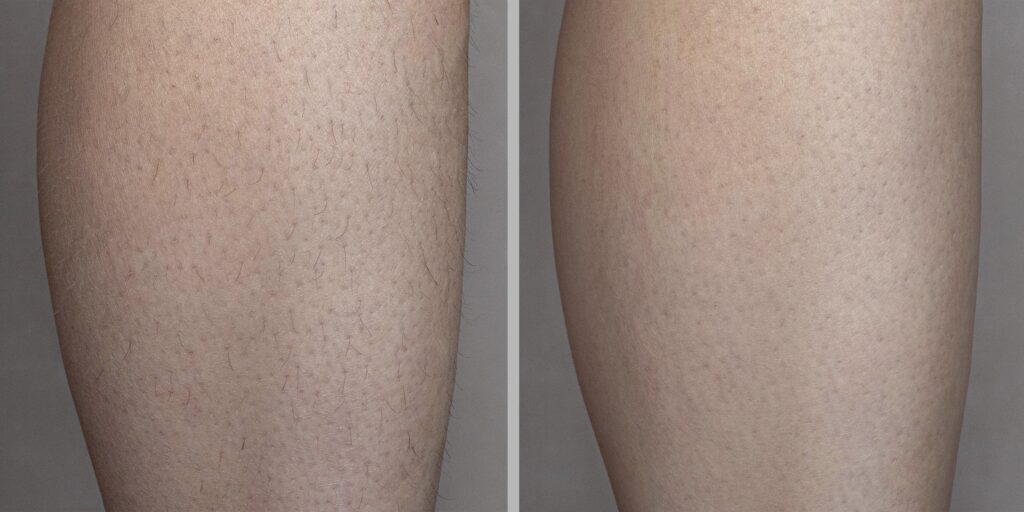
Laser hair removal provides long-term hair reduction (not instant or permanent hair removal), with smoother skin after a series of treatments.
What Areas Can Be Treated?
Common treatment areas include:
Face (upper lip, chin, cheeks)
Underarms
Arms
Legs
Bikini / Brazilian
Chest and abdomen
Back and shoulders
Your provider will confirm whether laser hair removal is appropriate for your skin tone, hair color, and treatment area.
How Laser Hair Removal Works (Simple Explanation)
The laser targets melanin (pigment) in the hair
Heat damages the hair follicle
Hair grows in cycles, so only hairs in the active growth phase respond
Multiple treatments are needed to catch hairs in different growth cycles
What to Expect During Treatment
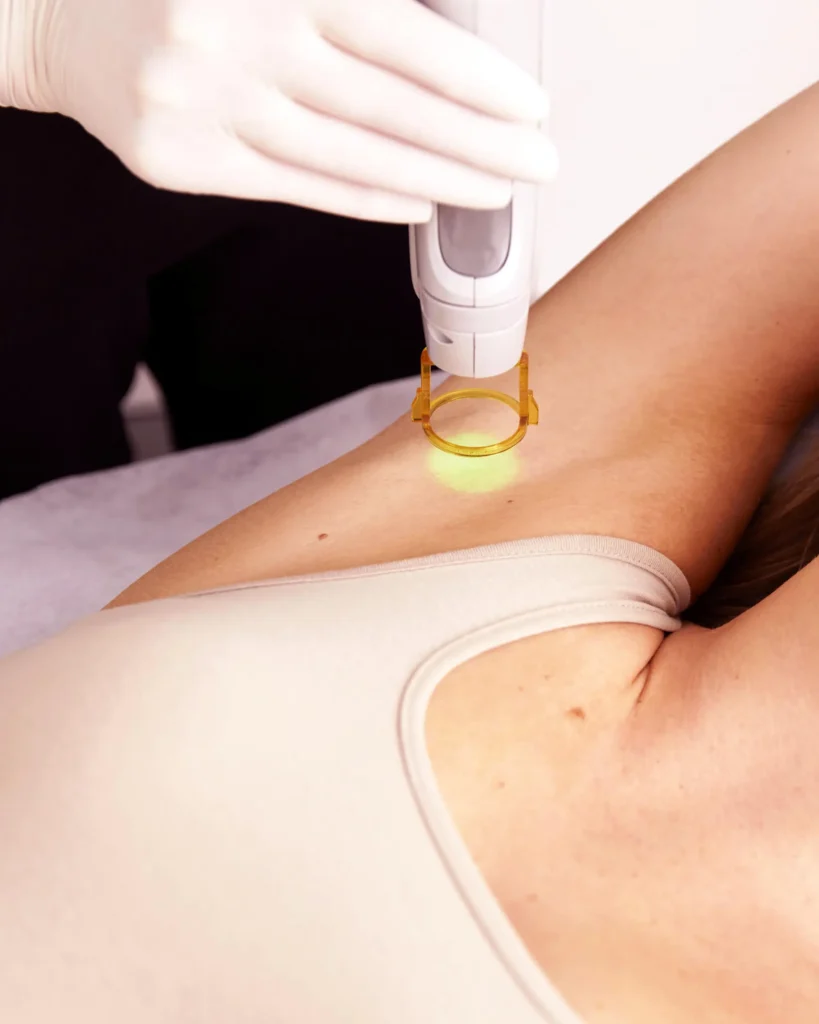
Laser hair removal is performed in the office and typically takes 5–45 minutes, depending on the area.
During treatment:
The area is cleansed and shaved if needed
Protective eyewear is provided
Laser pulses are delivered to the skin
Cooling technology helps protect the skin
Patients often describe the sensation as a quick snap or warm pinch. Most treatments are well tolerated without numbing.
When Will I See Results?
Treated hairs often shed over 1–3 weeks
Hair grows back finer and lighter
Best results occur after a series of treatments (commonly 6–8 sessions)
Treatments are usually spaced 4–8 weeks apart, depending on the area.
Who Is a Good Candidate?
Laser hair removal works best for:
Dark hair with lighter skin (though newer lasers can safely treat a wider range of skin tones)
Patients who can avoid sun exposure before and after treatment
People seeking long-term hair reduction rather than temporary removal
It may be less effective for:
Very light blond, white, or gray hair
Recently tanned skin
Your provider will assess your individual skin and hair type.
Pre-Op Instructions (Before Laser Hair Removal)
2–4 weeks before treatment
Avoid sun exposure and tanning (including self-tanner)
Use broad-spectrum sunscreen daily
Do not wax, pluck, or use depilatory creams (shaving is allowed)
1 week before
Stop using retinoids, exfoliating acids, and harsh scrubs in the treatment area (unless instructed otherwise)
Day of treatment
Shave the area 24 hours before (unless instructed otherwise)
Arrive with clean skin (no makeup, lotion, deodorant, or sunscreen on the area)
Tell us if you:
Are pregnant or breastfeeding
Have active skin infection, rash, or open wounds
Take medications that increase sun sensitivity
Post-Op Instructions (After Laser Hair Removal)
What’s normal
Mild redness or swelling around hair follicles (often resolves in hours to 1–2 days)
A sunburn-like warmth
Temporary sensitivity
Aftercare
Apply cool compresses if needed
Use gentle cleanser and moisturizer
Avoid hot showers, saunas, and strenuous exercise for 24–48 hours
Avoid sun exposure and tanning
Daily sunscreen is essential between treatments
Avoid
Waxing, plucking, or threading between treatments
Scrubbing or exfoliating until skin has calmed
Call the office if
You develop blistering, crusting, or increasing pain
You notice signs of infection (spreading redness, pus, fever)
Skin darkening or lightening occurs and worsens
Frequently Ashked Questions
Is laser hair removal permanent?
It provides long-term hair reduction. Some hair may regrow over time, but it is typically finer and lighter. Maintenance treatments may be needed.
How many treatments will I need?
Most patients need 6–8 treatments, sometimes more depending on hair thickness, area, and hormones.
Does laser hair removal hurt?
Discomfort is usually brief and mild. Cooling systems help reduce sensation.
Can I shave between sessions?
Yes—shaving is encouraged. Avoid waxing or plucking.
Is laser hair removal safe for all skin tones?
Many modern lasers safely treat a range of skin tones. Your provider will select settings appropriate for your skin type.
Can laser hair removal cause dark marks?
Post-inflammatory hyperpigmentation (PIH) is uncommon but can occur, especially with sun exposure or improper aftercare. Following instructions helps reduce risk.
Is laser hair removal covered by insurance?
Laser hair removal is typically considered cosmetic and not covered by insurance.