Cosmetic Dermatology
C. Laser & Energy Devices
Skin Cancer & Pre-Cancer Care
Medical Dermatology
(Chronic & Inflammatory Skin Diseases)
Pigment & Lesion Disorders
Non-Cancer Growth
Surgical Dermatology (Non-Cancer Procedures)
Cosmetic Dermatology
A. Anti-wrinkle Injections
B. Dermal Fillers
- RHA Redensity — Fine Lines & Skin Refinement
- RHA 2 — Moderate Wrinkles & Smile Lines
- RHA 3 — Deeper Wrinkles & Lip Enhancement
- RHA 4 — Deep Folds, Volume & Facial Contouring
C. Laser & Energy Devices
- Intense Pulsed Light (IPL)
- Fractional Laser
CO₂ Laser
- Vascular Laser
- Laser Hair Removal
- Skin Tightening
- Pulsed Dye Laser (PDL)
- Narrow Band UVB and Excimer Laser
D. Cosmetic Pigment Correction
• CO2 Laser Treatment
(Advanced laser resurfacing for wrinkles, scars, and significant sun damage)
What Is CO₂ Laser Treatment?
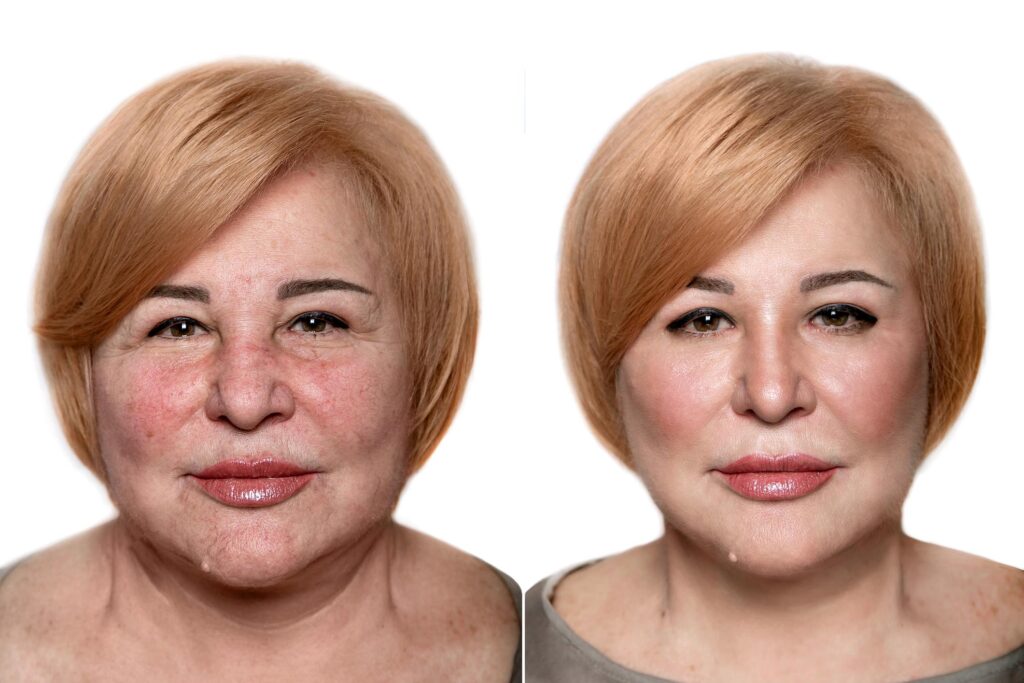
CO₂ (carbon dioxide) laser treatment is a powerful skin-resurfacing procedure that removes damaged outer skin layers while stimulating deep collagen remodeling. It is considered one of the most effective laser treatments for improving skin texture, wrinkles, scars, and advanced sun damage.
CO₂ laser is often chosen when patients want more dramatic results than lighter treatments can provide.
What Does CO₂ Laser Treat?
CO₂ laser resurfacing may be used to improve:
Deep wrinkles (especially around the mouth and eyes)
Acne scars and surgical scars
Uneven skin texture
Severe sun damage
Enlarged pores
Benign growths (selected cases)
Overall skin firmness and tone
Your dermatologist will determine whether full-field or fractional CO₂ laser is best for your skin and goals.
How CO₂ Laser Works
The laser precisely removes damaged skin layers
Heat energy reaches deeper skin layers to trigger collagen production
New, healthier skin forms during healing
Results continue to improve over months, not days
Because CO₂ laser is more intensive, it requires more downtime than many other laser treatments—but often provides long-lasting, visible improvement.
What to Expect During Treatment
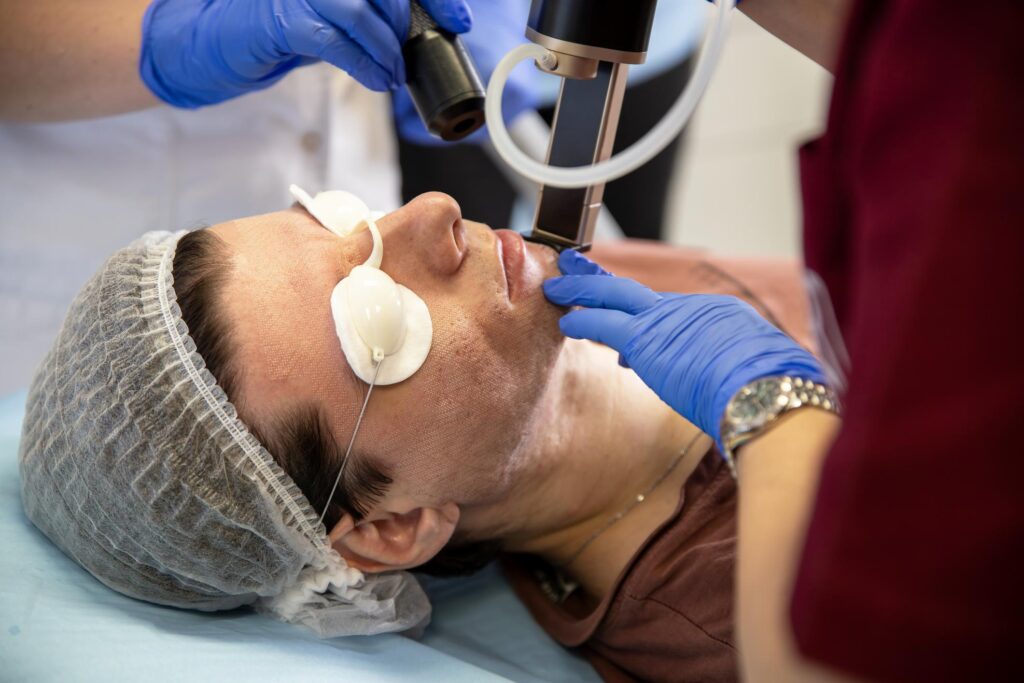
CO₂ laser is performed in the office or procedure suite.
During your visit:
Skin is cleansed and prepped
Strong topical numbing and/or local anesthesia is used (sometimes oral medication is added)
Laser treatment is delivered in a controlled, precise pattern
Cooling ointment and protective dressings are applied
Treatment time varies but often takes 45–90 minutes, depending on the area treated.
Healing Timeline (General)
Days 1–7: redness, swelling, oozing, and crusting
Days 7–14: skin begins to heal and re-epithelialize
Weeks 3–6: redness gradually fades
Months 2–6: collagen remodeling and continued skin improvement
Exact recovery varies based on treatment depth and individual healing.
Who Is a Good Candidate for CO₂ Laser?
CO₂ laser may be appropriate if you:
Have moderate to severe wrinkles or scars
Want significant improvement in texture and tone
Can commit to downtime and aftercare
Can avoid sun exposure during recovery
It may not be appropriate if you:
Have active infection or inflammation
Are unable to tolerate downtime
Have certain medical conditions that impair healing
Your dermatologist will carefully assess whether CO₂ laser is right for you.
Pre-Op Instructions (Before CO₂ Laser)
4 weeks before treatment
Avoid sun exposure and tanning (including self-tanner)
Use broad-spectrum sunscreen daily
Stop smoking if possible (smoking slows healing)
1–2 weeks before
Stop retinoids, exfoliating acids, and harsh skincare (unless directed otherwise)
Tell us if you:
Have a history of cold sores (preventive antiviral medication is often prescribed)
Are prone to dark marks (PIH)
Have keloid scars or poor wound healing
Are pregnant or breastfeeding
Have active skin infections or rashes
Day of treatment
Arrive with clean skin (no makeup, lotions, or sunscreen)
Arrange time off work and social activities for healing
Plan transportation if sedation or oral medication is used
Post-Op Instructions (After CO₂ Laser)
What’s normal
Redness, swelling, and oozing in the first few days
Crusting or peeling as skin heals
Tightness, warmth, and sensitivity
Pink or red skin that gradually fades over weeks
Aftercare essentials
Cleanse gently as instructed (often multiple times daily early on)
Apply prescribed ointments to keep skin moist and protected
Do not pick or scrub
Avoid heat, exercise, and sweating during early healing
Strict sun avoidance and protection are critical
Makeup
Makeup is usually allowed after full skin healing, timing varies by treatment depth
Call the office immediately if
You develop increasing pain, pus, fever, or spreading redness
Blisters or ulcers form
Redness worsens instead of improving
You notice darkening of skin beyond expected healing
Frequently Ashked Questions
Is CO₂ laser painful?
Comfort measures are used, including numbing medication. Most patients describe pressure and heat rather than sharp pain.
How much downtime is there?
Downtime is typically 1–2 weeks, with lingering redness that fades gradually over several weeks.
How long do results last?
Results can last years, especially with good sun protection and skincare. Aging continues, but skin quality is often significantly improved.
Is CO₂ laser better than fractional laser?
CO₂ laser is more aggressive and provides more dramatic results but requires more downtime. Fractional lasers offer improvement with less recovery. We help you choose the best option.
Can CO₂ laser cause dark spots?
Yes, post-inflammatory hyperpigmentation (PIH) can occur, especially in pigment-prone skin. Careful planning and strict aftercare reduce this risk.
Can CO₂ laser be combined with other treatments?
Yes—often combined with neuromodulators, fillers, or medical-grade skincare. Timing is important and will be guided by your provider.
Is CO₂ laser covered by insurance?
CO₂ laser resurfacing is typically considered cosmetic and not covered by insurance.