Accessibility Tools

Number 1 Cosmetic Dermatology

C. Laser & Energy Devices

• Intense Pulsed Light (IPL)

(A light-based treatment for sun damage, redness, and uneven skin tone)

What Is IPL?

IPL (Intense Pulsed Light) is a non-invasive treatment that uses broad-spectrum light to target pigment and redness in the skin. It is commonly called a photofacial.

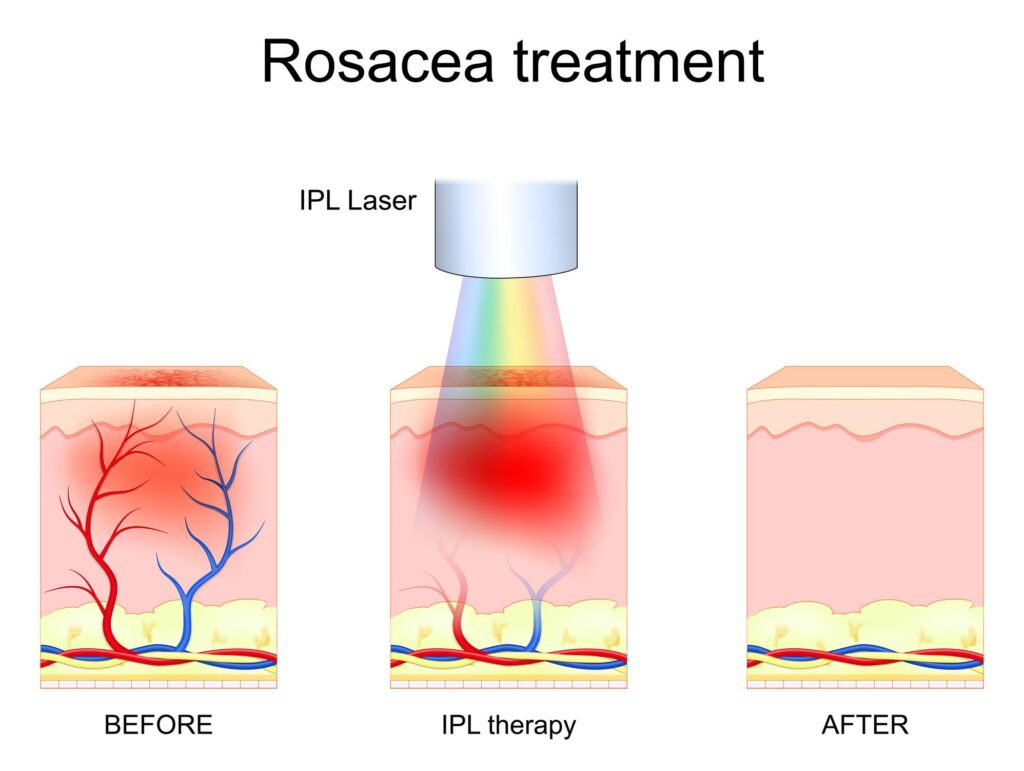
IPL is not a laser, but it works in a similar way by delivering light energy into the skin to:

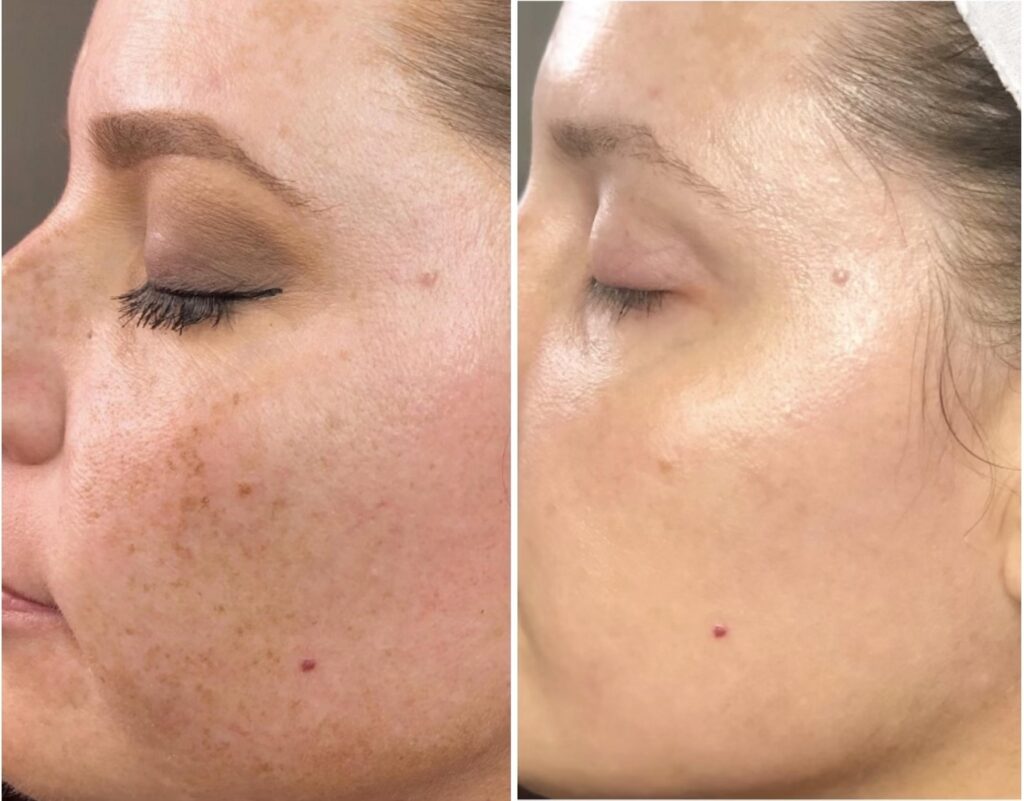
  • Break up brown pigment (sun spots, freckles)

  • Reduce redness (broken capillaries, rosacea-related flushing)

  • Improve overall skin tone and clarity

What Does IPL Treat?

IPL is commonly used to improve:

  • Sun spots (lentigines)

  • Freckles

  • Redness and broken capillaries

  • Uneven skin tone

  • Mild rosacea-related redness

  • Overall photodamage

Common treatment areas include:

  • Face

  • Neck

  • Chest

  • Hands

  • Shoulders

What to Expect During IPL Treatment

IPL treatments are performed in the office and typically take 20–30 minutes, depending on the area.

During treatment:

  1. The skin is cleansed

  2. A cooling gel is applied

  3. Protective eye shields are placed

  4. Light pulses are delivered to the skin

  5. The gel is removed and soothing products are applied

Most patients describe the sensation as a quick snap or warm rubber-band feeling.

When Will I See Results?

  • Brown spots often darken first, then flake off over 7–14 days

  • Redness gradually fades over weeks

  • Skin tone continues to improve with each session

Many patients need a series of treatments (often 3–5 sessions) spaced several weeks apart for best results.

Who Is a Good Candidate for IPL?

IPL works best for patients with:

  • Light to medium skin tones

  • Sun damage or redness rather than deep pigment

  • Ability to avoid sun exposure before and after treatment

IPL may not be appropriate for:

  • Very dark skin tones

  • Active melasma (may worsen in some patients)

  • Tanned or sunburned skin

Your provider will evaluate whether IPL is right for your skin type and concerns.

Pre-Op Instructions (Before IPL)

2–4 weeks before treatment
  • Avoid sun exposure and tanning (including self-tanner)

  • Use broad-spectrum sunscreen daily

  • Avoid tanning beds

1–2 weeks before
  • Stop using retinoids, exfoliating acids, and harsh scrubs in the treatment area (unless instructed otherwise)

  • Let us know if you:

    • Have a history of melasma or PIH

    • Are prone to dark marks after irritation

    • Are pregnant or breastfeeding

    • Have active skin infections, cold sores, or rashes

Day of treatment
  • Arrive with clean skin (no makeup, lotions, or sunscreen on the area)

  • Do not wax or thread the area immediately before treatment

Post-Op Instructions (After IPL)

What’s normal
  • Redness similar to a mild sunburn (hours to 1–2 days)

  • Darkening of brown spots before they flake off

  • Mild swelling (especially around the eyes)

Aftercare
  • Apply cool compresses if needed

  • Use gentle cleanser and moisturizer

  • Avoid picking or scrubbing darkened spots

  • Avoid heat (hot showers, saunas, intense exercise) for 24–48 hours

  • Strict sun protection is essential

Makeup
  • You may apply makeup the next day unless instructed otherwise

Call the office if
  • You develop blistering, significant crusting, or increasing pain

  • You notice signs of infection (spreading redness, pus, fever)

  • You develop worsening pigmentation rather than gradual improvement

Frequently Ashked Questions

Is IPL the same as a laser?

No. IPL uses a broad spectrum of light, while lasers use a single wavelength. Both can be effective when used appropriately.

Most patients tolerate IPL well. The sensation is brief and improves with cooling

Many patients benefit from 3–5 treatments, spaced about 4 weeks apart, depending on the concern.

Results can last many months, but ongoing sun protection is key. Maintenance treatments are often recommended.

IPL improves color and tone, not texture or deep scars. Other treatments may be better for scarring or wrinkles.

Yes, IPL is often combined with:

    • Medical-grade skincare
    • Neuromodulators (Botox/Daxxify)
    • Dermal fillers

Our provider will guide safe timing.

IPL is usually considered cosmetic and not covered by insurance.