Accessibility Tools

Number 6 Cosmetic Dermatology

A. Anti-wrinkle Injections

• Botox

(Wrinkle-relaxing injections for a refreshed, natural look)

What Is Botox?

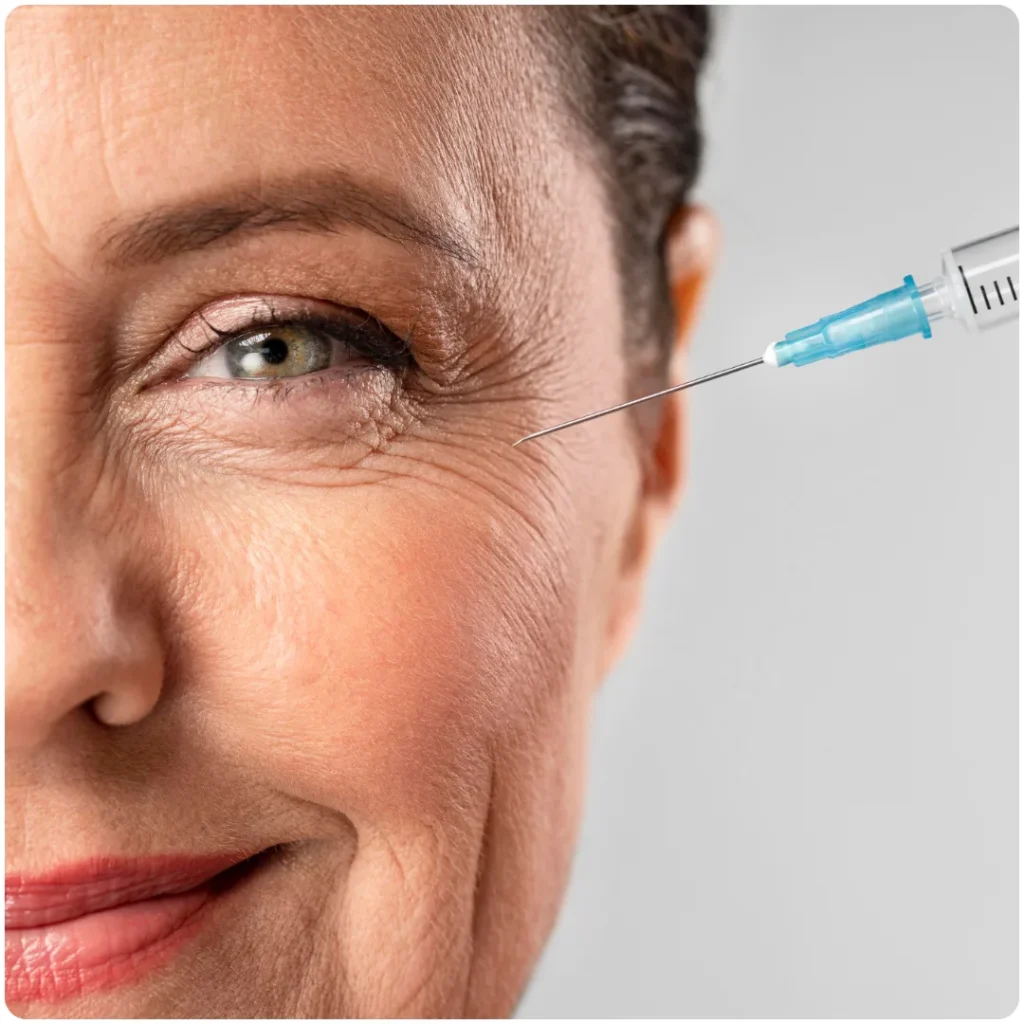
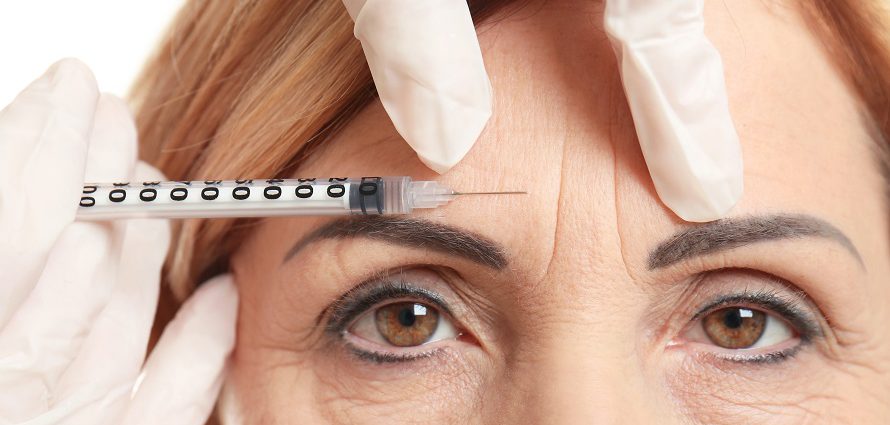
Botox® is a purified protein that relaxes targeted facial muscles to soften expression lines caused by repeated movements like frowning, squinting, or raising the eyebrows. When placed precisely, it smooths lines while keeping your face looking natural and expressive.

Common treatment areas include:

  • Forehead lines

  • Frown lines (between the eyebrows)

  • Crow’s feet (outer corners of the eyes)


What Does Botox Treat?

Botox is most commonly used to:

  • Smooth dynamic wrinkles (lines that appear with expression)

  • Prevent deeper lines from forming over time

  • Create a rested, refreshed appearance

Some patients also notice:

  • A subtle brow lift effect

  • Softer jaw tension (selected cases)

  • Reduced neck band prominence (selected cases)

Your provider will review your goals and recommend the safest, most effective plan for your facial anatomy.

What to Expect During Treatment

Botox injections are performed in the office and usually take 10–15 minutes.

During the visit:

  1. Your provider reviews your goals and facial movement

  2. The skin is cleansed

  3. Small injections are placed using a very fine needle

  4. You return to normal activities shortly after

Most patients describe the sensation as quick pinches.


When Will I See Results?

  • Early softening: 3–5 days

  • Full effect: 10–14 days

  • Duration: typically 3–4 months

Results vary based on muscle strength, dose, and individual metabolism.

Pre-Op Instructions (Before Botox)

1 week before
  • If possible, avoid aspirin and NSAIDs (ibuprofen, naproxen) to reduce bruising
    ⚠️ Do not stop prescription blood thinners unless your prescribing clinician instructs you.

  • Avoid alcohol for 24 hours before treatment (may reduce bruising)

Day of treatment
  • Arrive with clean skin (no heavy makeup on the treatment area)

  • Tell us if you:

    • Are pregnant or breastfeeding

    • Have a neuromuscular condition

    • Have had prior reactions to injectable treatments

    • Are being treated for an active infection near the injection site

Post-Op Instructions (After Botox)

For the first 4 hours
  • Remain upright; avoid lying flat

  • Avoid rubbing or massaging treated areas

For the first 24 hours
  • Avoid strenuous exercise, saunas, or hot yoga

  • Avoid facials or facial massages

  • You may gently wash your face

What’s normal
  • Mild redness or small bumps at injection sites (usually fade within 30–60 minutes)

  • Mild tenderness or headache (temporary)

  • Minor bruising (may last a few days)

Call the office if you notice
  • Drooping of the eyelid or eyebrow that concerns you

  • Difficulty swallowing, speaking, or breathing (rare—seek urgent care)

  • Signs of infection (increasing redness, warmth, pus, fever)

How to Maintain Results
  • Schedule maintenance treatments every 3–4 months

  • Consistent treatments may help reduce the dose needed over time

  • Daily sun protection and good skincare complement your results

Frequently Ashked Questions

Will Botox make me look “frozen”?

When done correctly, Botox should look natural. The goal is to soften lines while preserving expression.

Discomfort is minimal and brief. Most patients tolerate treatment well without numbing.

Most people enjoy results for 3–4 months. With repeated treatments, effects may last longer for some.

Yes—when administered by trained medical professionals. Botox has been used safely for decades for both cosmetic and medical indications.

Often, yes. Botox is commonly combined with:

    • Dermal fillers

    • Laser or light treatments

    • Medical-grade skincare
      Your provider will advise on safe timing.

There’s no “right” age. Some people start preventively in their late 20s–30s; others begin later to soften existing lines.

Botox may not be appropriate if you are:

  • Pregnant or breastfeeding

  • Have certain neuromuscular disorders

  • Have an active infection at the injection site

Our dermatologist will review your medical history to ensure safety.