
 Non-Cancer Growths
 Skin Cancer & Pre-Cancer Care
 Medical Dermatology
 Pigment & Lesion Disorders
 Cosmetic Dermatology
• Skin Tags (Acrochordons)
What are Skin Tags?
Skin tags are small, soft, harmless growths that often look like a tiny bump or a “hanging” piece of skin on a thin stalk. They’re very common and not skin cancer.
They usually show up where skin rubs or folds, such as:
Neck
Armpits
Groin/inner thighs
Under the breasts
Eyelids
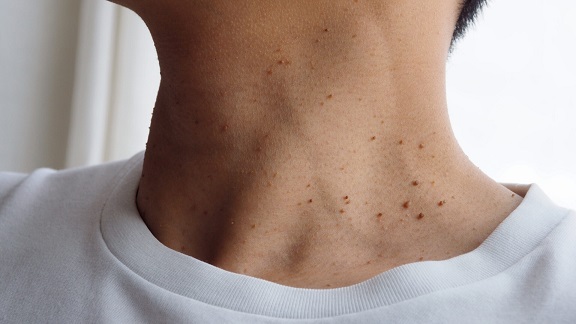
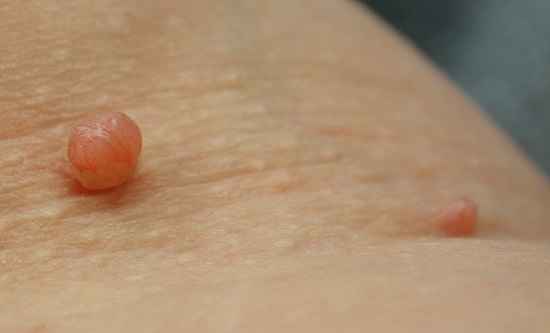
Why do skin tags happen?
No single cause, but they’re commonly linked to:
Friction/rubbing (skin folds, jewelry, clothing)
Age
Weight gain/obesity
Metabolic factors (insulin resistance/metabolic syndrome)
Pregnancy/hormonal shifts
When should you get one checked?
Make an appointment if a “tag”:
Is painful, rapidly growing, bleeding repeatedly, or changing color
Looks very different from your other spots
Is on a sensitive area (like the eyelid or genitals)
You’re not sure it’s truly a skin tag (some growths can mimic them)
Treatment options (in-office)
Skin tags don’t need treatment unless they bother you (snagging, irritation, cosmetics). Dermatologists can usually remove them quickly, often in one visit.
Common methods include:
Snip removal (sterile scissors/blade; sometimes local numbing)
Cryotherapy (freezing)
Cautery (gentle electrical “heat” to remove and control bleeding)
Avoid DIY cutting or harsh home remedies—they can cause bleeding, irritation, or infection, and you might be treating the wrong thing.
Pre-Procedure Instructions (Pre-Op)
1–3 days before
Avoid tanning/sunburn on the area.
Tell us if you have: a bleeding disorder, pacemaker (if using cautery), diabetes, or you take blood thinners (aspirin, warfarin, Eliquis/Xarelto, etc.). Do not stop any medication unless your prescribing clinician says to.
If you’re prone to keloids or dark marks after healing, mention it (we may adjust technique/counseling).
Day of treatment
Shower and arrive with clean skin (no lotion, oils, makeup on the area).
Wear comfortable clothing that won’t rub the spot afterward (especially neck/underarm/groin).
Plan to remove necklaces or tight collars if treating the neck.
Aftercare Instructions (Post-Op)
Most sites heal like a small superficial scrape.
For the first 24 hours
Keep the area clean and dry.
If bandaged, leave it in place as instructed.
Starting the next day
Gently wash with mild soap and water; pat dry.
Apply a thin layer of petrolatum (Vaseline/Aquaphor) and cover with a small bandage if the area rubs.
Avoid picking/scabbing.
What’s normal
Mild tenderness, slight redness, or a small scab.
A tiny amount of spotting the first day.
Activity
Normal daily activity is fine; avoid friction (tight clothing, shaving over the area) until healed.
Call the office urgently if
Bleeding won’t stop after 10–15 minutes of firm pressure
Increasing pain, warmth, swelling, spreading redness, pus/drainage, red streaks, or fever
If a growth is new, changing, bleeding, painful, or you’re unsure what it is, schedule a skin check. We’ll confirm the diagnosis and discuss the safest removal option.
Frequently Asked Questions
Are skin tags contagious?
No. They’re not considered contagious.
Do skin tags mean I have cancer?
Skin tags are benign (noncancerous). If a spot looks unusual, we evaluate it to confirm what it is.
Why do mine keep coming back?
Removing a specific tag removes that tag, but new ones can form over time—especially in friction areas.
Does removal hurt?
Most patients feel minimal discomfort. Small tags may be removed quickly; larger ones may need local numbing first.
Will I have a scar?
Most heal with little to no mark. Some people can develop a small light/dark spot or a tiny scar, especially if they pick at it or if the area is prone to friction.
Can I remove a skin tag at home?
Not recommended. DIY removal can lead to bleeding, irritation, ulcers, or infection, and you might misidentify the growth.
Is skin tag removal covered by insurance?
Often it’s considered cosmetic, but coverage varies. If the tag is repeatedly bleeding, painful, or irritated, sometimes documentation helps—ask your insurer/our office.