
 Non-Cancer Growths
 Skin Cancer & Pre-Cancer Care
 Medical Dermatology
 Pigment & Lesion Disorders
 Cosmetic Dermatology
• Seborrheic Keratosis (SK)
(Stuck-On” Benign Skin Growths)
What is Seborrheic Keratosis (SK)?
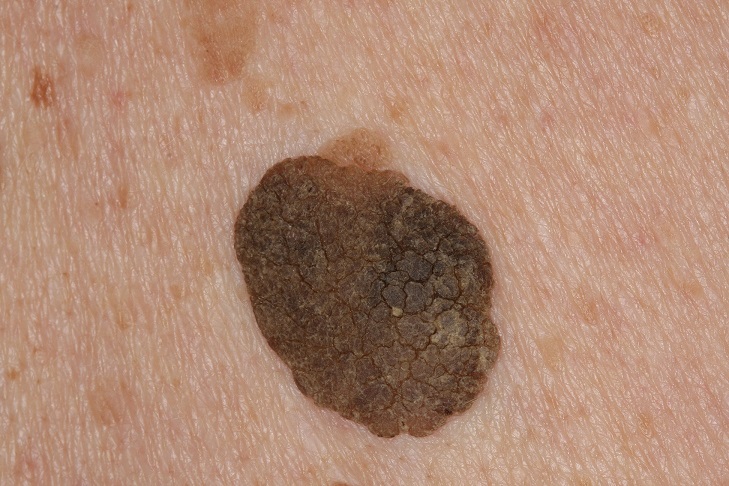
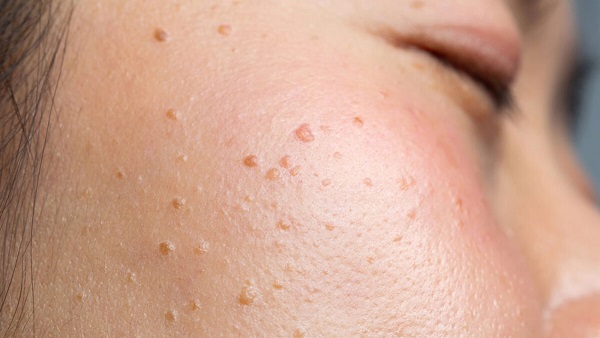
Seborrheic keratoses are very common, non-cancerous skin growths that can look like a waxy or warty “spot” that seems stuck onto the skin. They often appear as we age and may show up one at a time or in clusters. Most SKs do not require treatment unless they bother you, become irritated, or look unusual.
What Seborrheic Keratoses Look Like
SKs can vary a lot. Typical features include:
Waxy, rough, or warty surface
“Stuck-on” appearance
Color can range from tan to dark brown/black (sometimes multiple shades)
Shape can be round/oval with well-defined borders
Common areas: trunk, back, chest, face, scalp
Important: Some skin cancers can mimic an SK. Any spot that is new, changing, bleeding, painful, or rapidly growing should be evaluated.
How We Diagnose It
Diagnosis is usually made by:
Visual exam (sometimes with a dermatoscope—special magnifier/light)
Biopsy if the lesion looks atypical or if there’s any concern for skin cancer
Treatment Options (If Removal Is Desired)
SKs are harmless, but removal may be recommended if the growth:
Gets caught on clothing or jewelry
Becomes itchy, inflamed, or bleeds from irritation
Is cosmetically bothersome
Looks like a skin cancer and needs confirmation
Common in-office removal options include:
Cryotherapy (liquid nitrogen) – best for thinner lesions
Curettage ± electrocautery – gently scraping off the growth; may use heat to control bleeding
Shave removal / shave biopsy – shaving off the raised lesion; can also send to lab
Laser removal (in select cases)
Focal chemical peel (TCA) for certain lesions
Possible side effects: temporary redness, scabbing, lighter/darker color changes, and (less commonly) scarring. Pigment change risk can be higher in darker skin tones.
Pre-Op Instructions (Before Removal)
1–2 weeks before (when possible):
Tell us if you:
Take blood thinners (warfarin, Eliquis, Xarelto, Plavix, aspirin)
Have a pacemaker/defibrillator (if electrocautery may be used)
Have a history of keloid scarring or poor wound healing
Are prone to cold sores (if treating near lips)
Avoid tanning/sunburn on the treatment area.
24 hours before:
If possible, avoid alcohol (can increase bruising).
Plan for easy clothing that won’t rub the treated spot.
Day of procedure:
Eat normally (unless your clinician tells you otherwise).
Arrive with clean skin; avoid heavy makeup/lotions over the spot.
If treating near the eyes/face, consider bringing sunglasses/hat for comfort afterward.
Post-Op Instructions (After Removal)
Aftercare depends on the method used.
If After Cryotherapy (Freezing)
What’s normal:
- Redness and swelling for 1–3 days
- A blister may form (clear or blood-filled)
- The area may crust/scab and peel off over 7–14 days (sometimes longer on legs)
Care:
- Wash gently with soap and water once daily.
- Apply a thin layer of petrolatum (Vaseline/Aquaphor) 1–2x/day until healed.
- Keep it protected with a bandage if it rubs on clothing.
- Don’t pick or peel the scab.
If After Shave Removal or Curettage ± Cautery
What’s normal:
- Mild oozing for the first day, then scabbing
- Tenderness for a few days
- Healing typically 1–3 weeks depending on size/location
Care:
- Keep the area covered for the first 24 hours (or as instructed).
- Then: clean gently daily, apply petrolatum, cover with a bandage.
- Avoid pools/hot tubs until the skin has sealed (usually several days).
Pain Control
- Most patients do well with acetaminophen (Tylenol) as needed.
- Avoid ibuprofen/NSAIDs only if your clinician recommends (varies by case).
Sun Protection (Very Important)
Once the skin is healed enough (no open wound):
- Use SPF 30+ daily and limit sun exposure to reduce dark marks and help the area blend.
- Color changes can take weeks to months to fade.
Call Us Urgently If You Notice:
- Bleeding that won’t stop after 15 minutes of firm pressure
- Spreading redness, warmth, worsening pain, pus, fever
- A rapidly enlarging blister with severe pain<
- The area is not improving as expected
Frequently Asked Questions
Are seborrheic keratoses (SK) dangerous?
No—SKs are benign and do not need treatment unless symptomatic or concerning in appearance.
Can an SK turn into skin cancer?
SKs are benign, but skin cancer can look similar. If a spot is changing or unusual, we may recommend a biopsy.
Why did mine suddenly get itchy or inflamed?
SKs can become irritated from friction (clothing, jewelry, shaving). Irritated SKs can look red and crusty and may mimic other conditions—so it’s worth having it checked.
Do SKs go away on their own?
Most persist, though some may regress over time.
Will SKs removal leave a scar?
Many heal with minimal marks, but scarring or lighter/darker discoloration can happen—risk depends on your skin type, location, and method used.
Can they come back after removal?
A treated spot is often gone, but new SKs can appear elsewhere over time. Some sources note regrowth can occur.
Is cryotherapy always effective?
Freezing works well for many SKs, but very thick lesions may need another method (like shave removal or curettage).
Can I remove it at home?
It’s not recommended. Self-treatment risks infection, scarring, and—most importantly—missing a skin cancer diagnosis.